
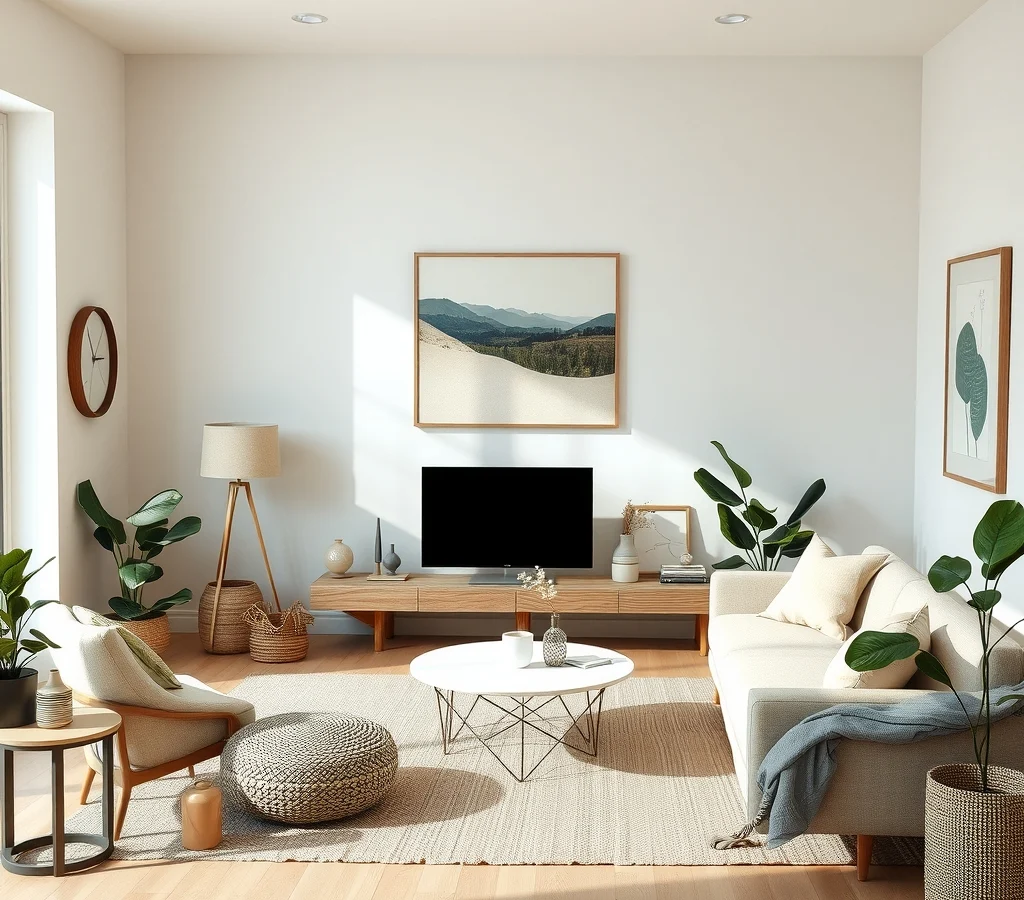
Finding a balance between contemporary clean lines and the comforting texture of nature can feel like a puzzle, especially when the living room must serve both as a gathering place and a visual retreat. Below are seven distinct approaches that marry modern simplicity with organic warmth. Each concept is described in full‑room context, and practical suggestions are offered so you can adapt the idea to the size, light, and budget of your own space.
1. Light‑filled timber frame with neutral linen
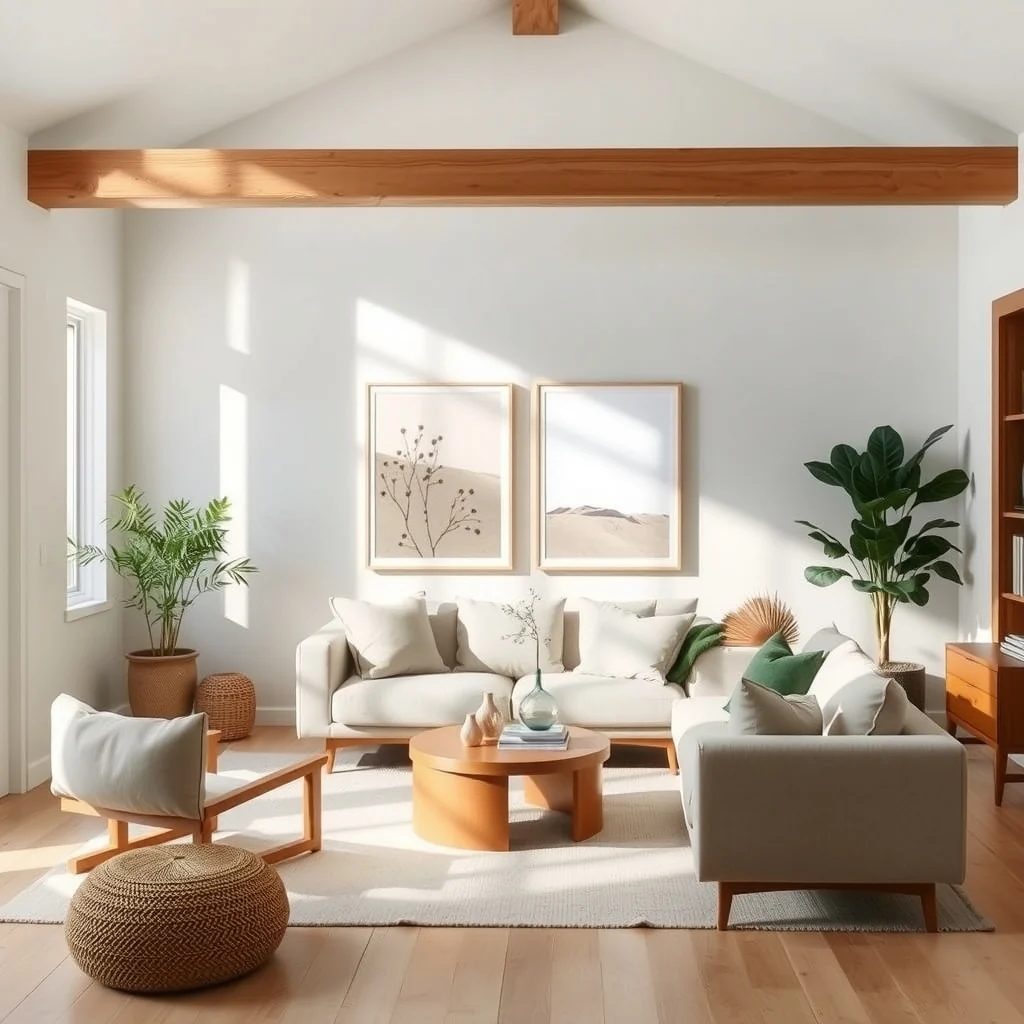
A slender, reclaimed‑oak ceiling beam that runs the length of the room instantly adds a sense of depth without overwhelming the scale. Pair it with a low‑profile sofa upholstered in soft, natural‑colored linen; the fabric’s subtle texture softens the crispness of the wood. A few strategically placed floor‑standing plants in woven baskets bring a hint of greenery that echoes the timber’s grain. The overall effect is airy, because the beam draws the eye upward while the linen reflects the daylight that streams through large, unadorned windows. This arrangement works especially well in homes with high ceilings and generous natural light. If the budget does not allow a reclaimed beam, a simple painted wooden rod can serve as a visual anchor, and a cotton‑blend sofa offers a comparable tactile experience.
2. Curved sofa anchored by a reclaimed‑wood coffee table

Choosing a gently rounded sofa creates a natural flow that invites conversation, and the curvature softens the sharpness of modern architecture. Position the sofa on a rug made from natural fibers such as jute, then set a coffee table crafted from salvaged barn wood at its center. The table’s irregular edge adds character, while its sturdy surface provides a place for books, a tea set, or a modest tray of fresh fruit. The combination of the plush seating and the rugged tabletop creates a dialogue between comfort and craftsmanship. This layout thrives in rooms where the focal point is a fireplace or a media console; the coffee table can sit directly in front of either, grounding the arrangement. When space is limited, a smaller oval ottoman can replace the coffee table without sacrificing the organic feel.
3. Layered floor treatment with jute and low‑pile wool
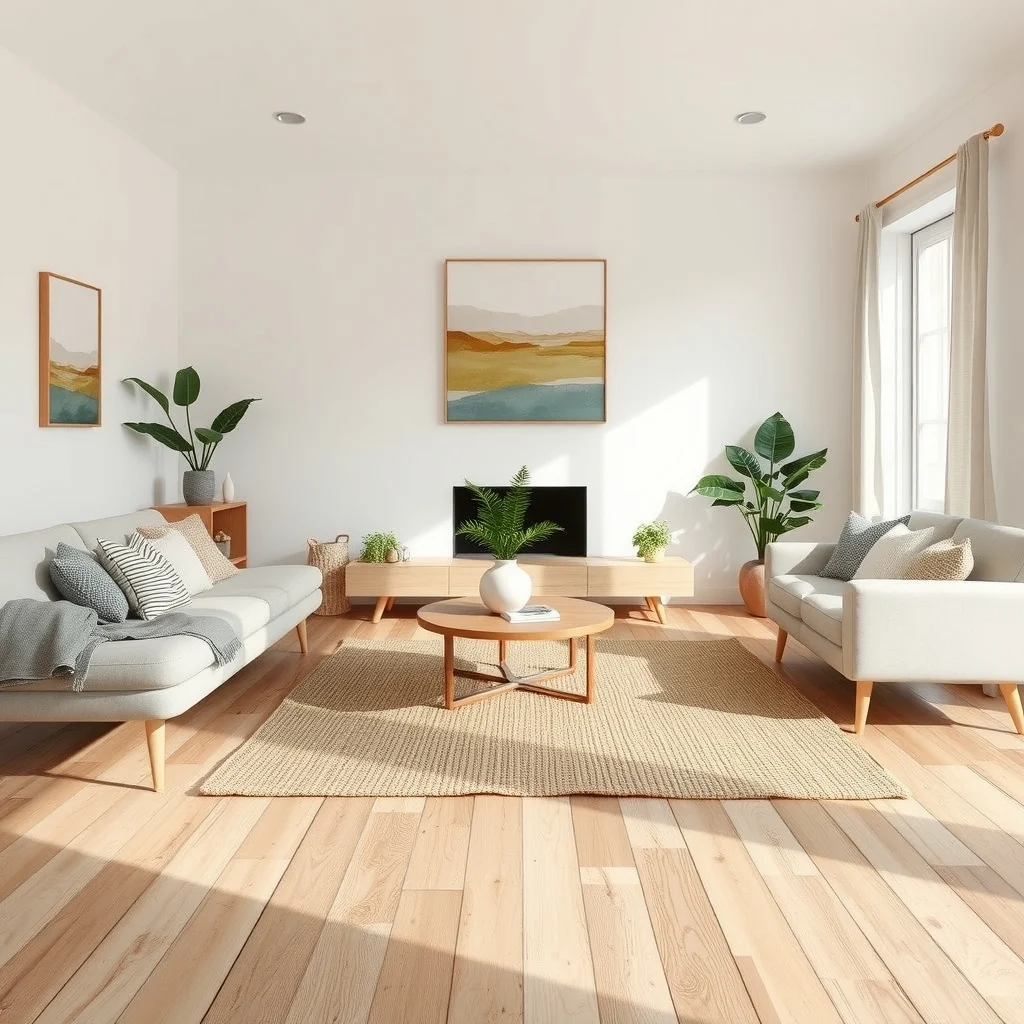
Flooring can be a silent hero in an organic modern room. Lay a wide jute runner across the middle of the floor, then layer a low‑pile wool rug in a muted earth tone over the runner’s central portion. The jute introduces a natural, slightly rough texture that feels pleasant underfoot, while the wool adds a plush cushion for seated areas. Because the two materials differ in density, the visual contrast remains subtle yet intentional, preventing the floor from feeling flat. This approach works well in open‑plan living spaces where the floor serves as a unifying element between zones. If the room lacks a heating system, consider a thin cork underlay beneath the rugs to provide insulation and reduce noise.
4. Green wall as a living backdrop
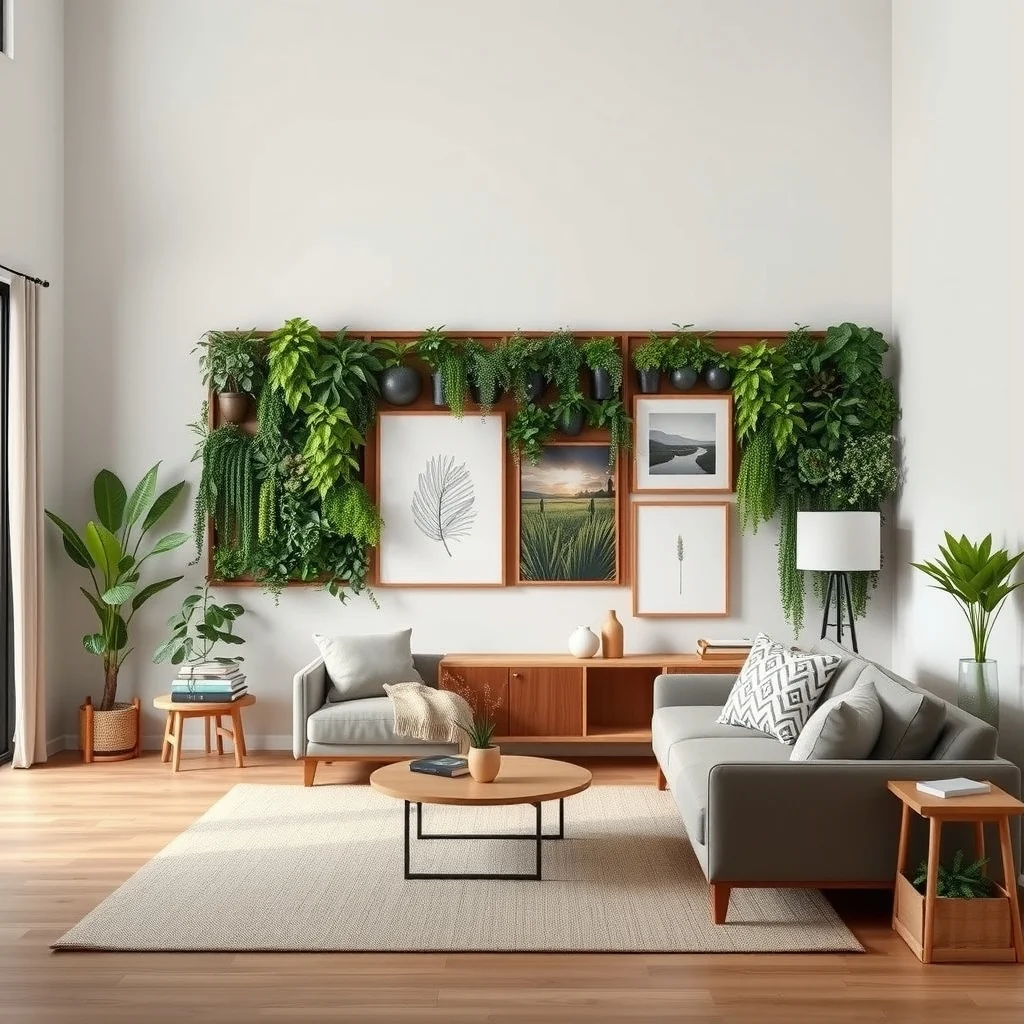
Installing a vertical garden on one wall transforms the room into a living gallery. Choose a modular panel system that holds a mix of low‑maintenance foliage such as pothos, ferns, and small succulents. The greenery acts as a natural color palette, shifting with the seasons and adding a breath of fresh air without the need for a window. Position seating to face the wall, allowing the plant mass to become a soothing focal point during quiet evenings. This concept is ideal for rooms that lack a view of the outdoors or have limited natural light, as the plants can thrive under artificial grow lights integrated into the wall’s trim. When budget constraints arise, a series of hanging planters with trailing vines can mimic the effect at a lower cost.
5. Open shelving that doubles as display for ceramics

Floating shelves made from light‑stained pine provide storage without the visual weight of a full cabinet. Arrange a curated selection of hand‑thrown ceramic bowls, woven baskets, and a few bound coffee‑table books on the shelves, leaving generous negative space so each object can breathe. The open design encourages a sense of curated simplicity, and the natural wood ties the display to the room’s organic theme. This solution works particularly well in compact living rooms where floor space is at a premium; the vertical storage keeps essentials within reach while maintaining an airy atmosphere. If the walls cannot support heavy shelving, a sturdy ladder rack can serve the same purpose, offering flexibility to rearrange items as tastes evolve.
6. Subtle sculptural lighting with natural fibers
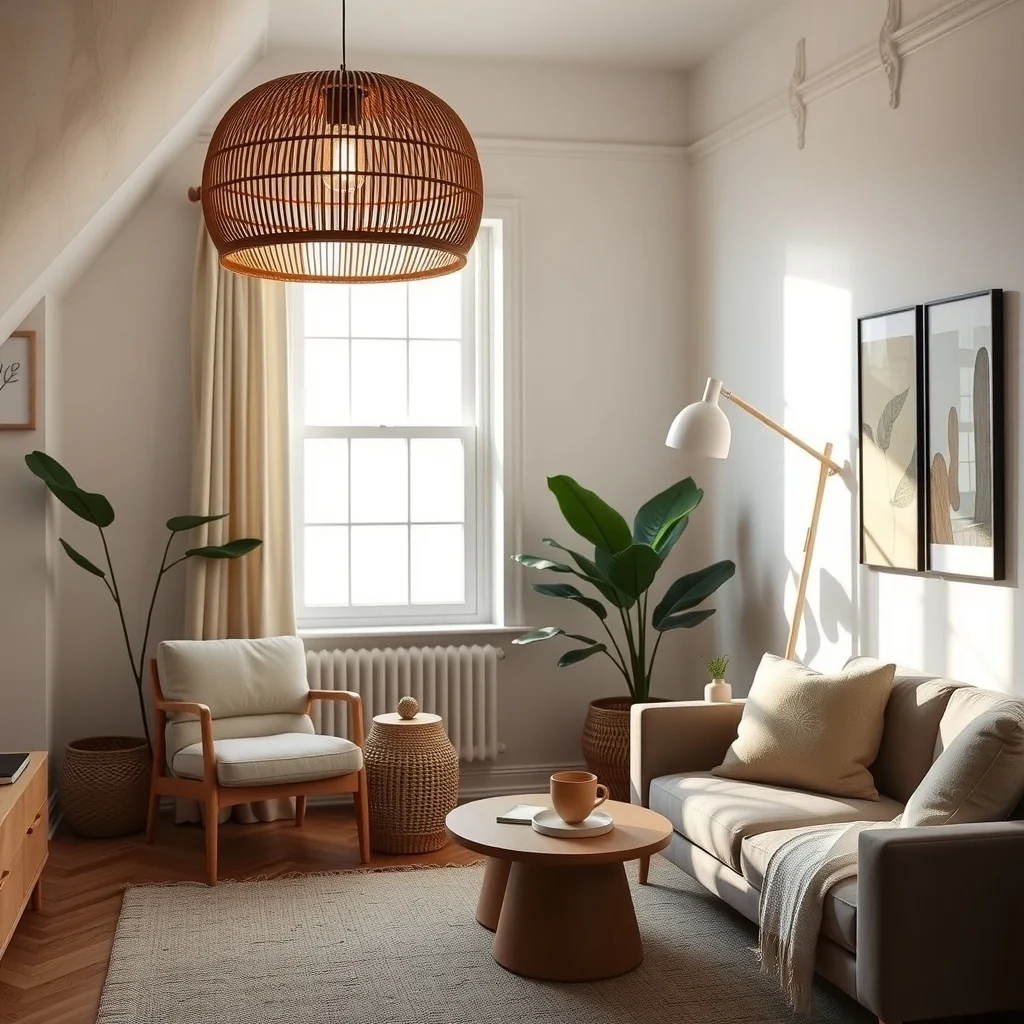
A statement lamp crafted from woven rattan or bamboo can replace the typical ceiling fixture, casting a warm, diffused glow that mimics the soft illumination of sunrise. Place the lamp beside a reading chair or on a side table to create a layered lighting scheme that balances task illumination with ambient mood. The natural fibers filter the light, reducing harsh shadows while adding an artistic silhouette to the ceiling. This approach suits rooms where the ceiling height allows the lamp’s height to become a visual element rather than a functional afterthought. When ceiling clearance is limited, a floor lamp with a similar woven shade can deliver the same effect without compromising headroom.
7. A quiet reading nook built into a window seat
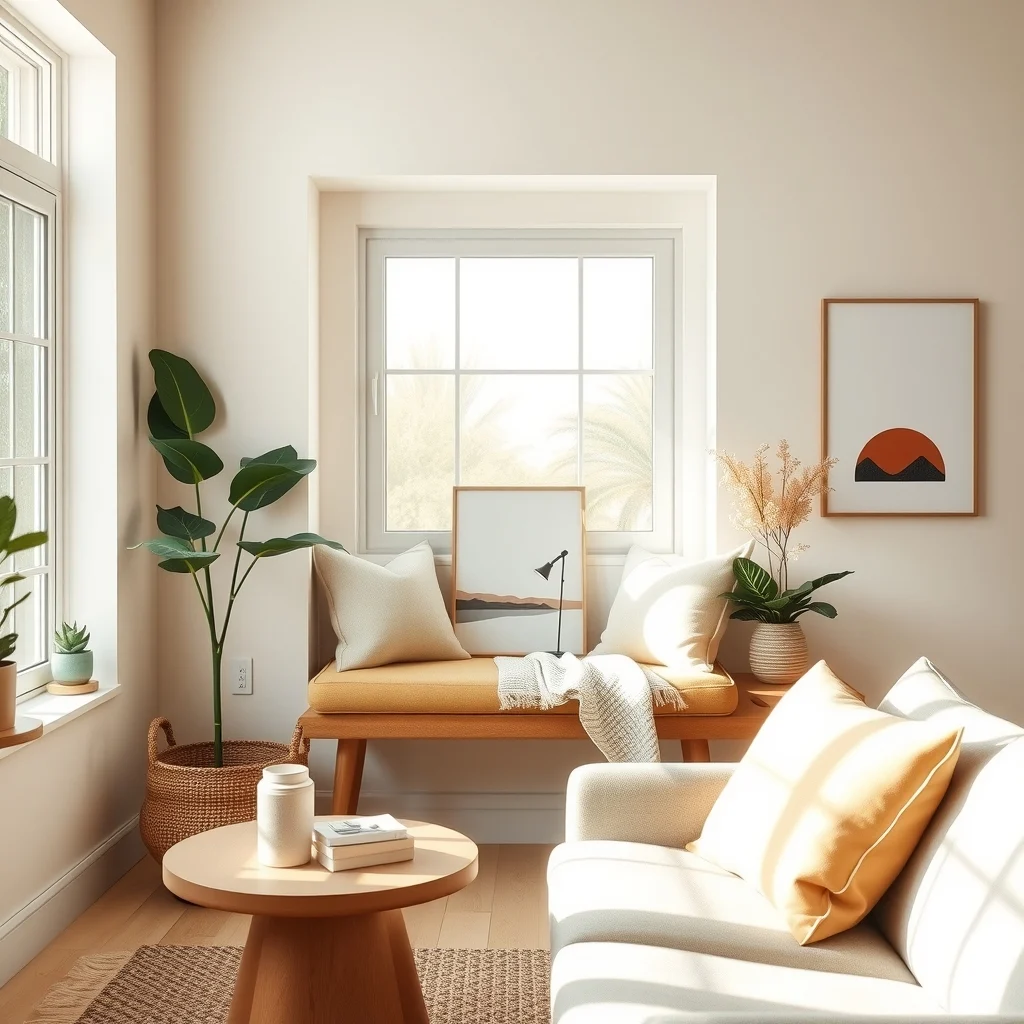
Transform an alcove or a wide window sill into a dedicated nook by adding a cushioned bench upholstered in a soft, earth‑tone fabric. Layer the seat with a few plump throw pillows in natural linen and a lightweight blanket for added comfort. A narrow side table made from reclaimed timber holds a steaming cup of tea and a stack of magazines, while a small potted plant on the windowsill introduces a touch of life. The proximity to natural light makes the space ideal for daytime reading, and the built‑in nature of the seat maximizes floor space. This arrangement works best in rooms with large windows that receive ample daylight; for darker rooms, a low‑profile LED strip behind the bench can provide gentle illumination without breaking the organic aesthetic.
FAQ
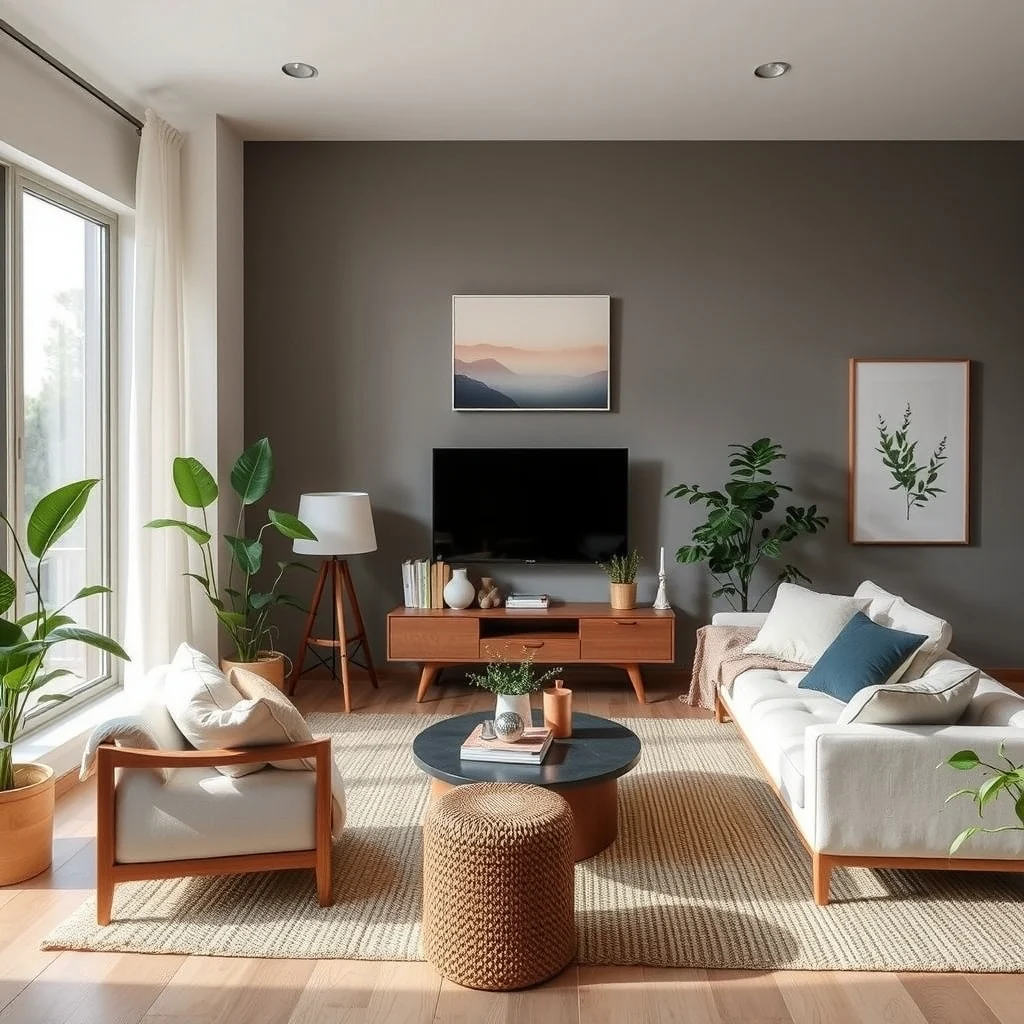
How can I keep an organic look without spending a fortune?
You can achieve the feel by focusing on a few key elements—natural wood, simple textiles, and greenery—and sourcing them from second‑hand stores or local artisans. Mixing high‑impact pieces with budget‑friendly accessories creates balance.
Is it okay to use synthetic materials in a natural‑style living room?
Yes, as long as the synthetic items complement the organic palette. For example, a concrete coffee table painted in a muted tone can sit alongside reclaimed wood without disrupting the overall harmony.
What flooring option works best for a room that gets a lot of foot traffic?
A durable natural fiber rug, such as a tightly woven jute, combined with a low‑pile wool layer offers both resilience and comfort. Adding a protective underlay extends the life of the flooring.
Can I incorporate a fireplace into an organic modern design?
A fireplace with a simple stone or concrete surround fits the aesthetic, especially when paired with wooden mantels and minimal décor. Keeping the surrounding area uncluttered maintains the clean feel.
How do I choose plants that will thrive indoors?
Select low‑maintenance varieties like pothos, ZZ plant, or snake plant, which tolerate lower light levels. Pair them with a modest watering schedule and occasional misting for best results.
Final Thoughts
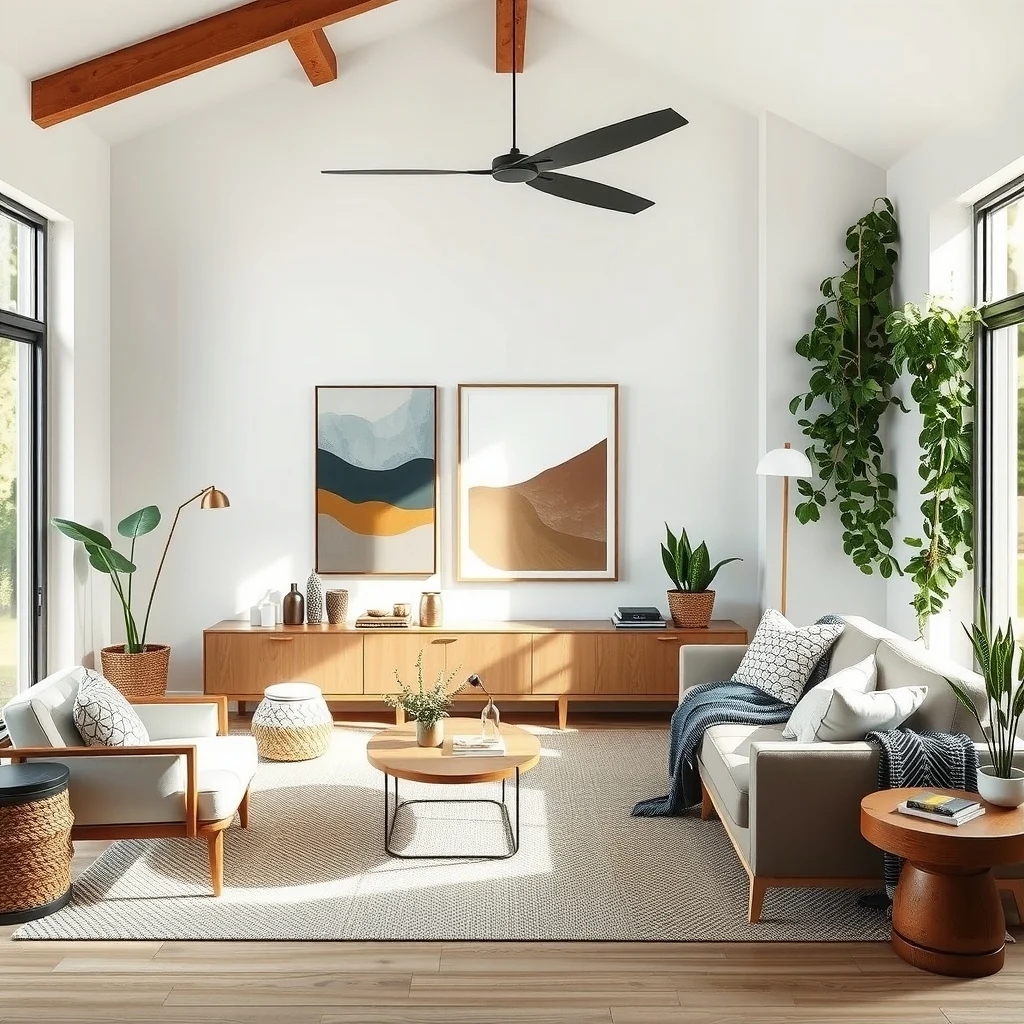
Modern organic design thrives on the dialogue between sleek contemporary forms and the comforting textures of the natural world. By selecting a few purposeful elements—whether it’s a reclaimed beam, a living wall, or a handcrafted lamp—you can craft a living room that feels both current and grounded. Remember that the most inviting spaces are those that reflect the rhythms of daily life, so allow flexibility in layout and choose pieces that age gracefully with you. With thoughtful choices, your living room can become a serene backdrop for family gatherings, quiet evenings, and everything in between.