
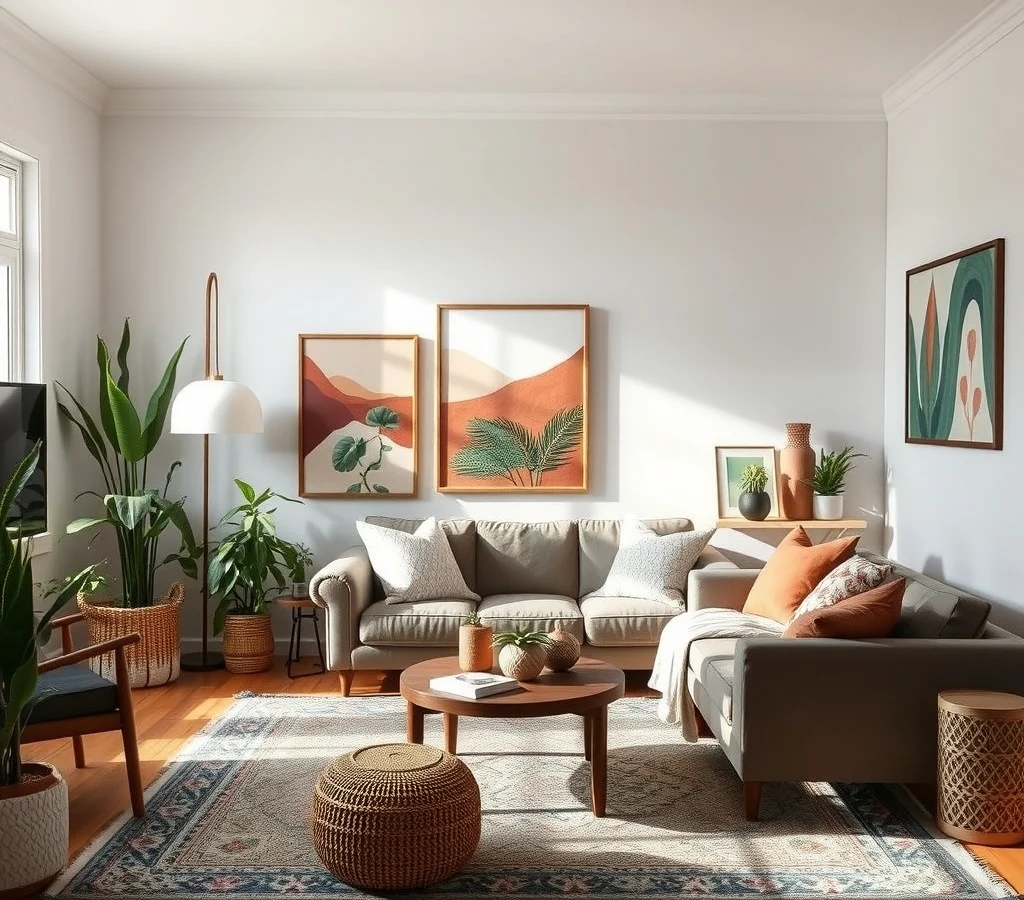
Finding a way to make a living room feel both personal and welcoming can feel like a puzzle, especially when you want the space to reflect a love for African-inspired patterns, textures, and colors without overwhelming the room. Below you’ll discover seven distinct approaches that blend traditional motifs with modern comfort, giving you a palette of options to match different layouts, budgets, and lifestyle needs. Each idea is presented with practical suggestions so you can see how the look comes together and decide which elements fit best in your own home.
1. Earth‑toned grounding with hand‑woven kilim rugs
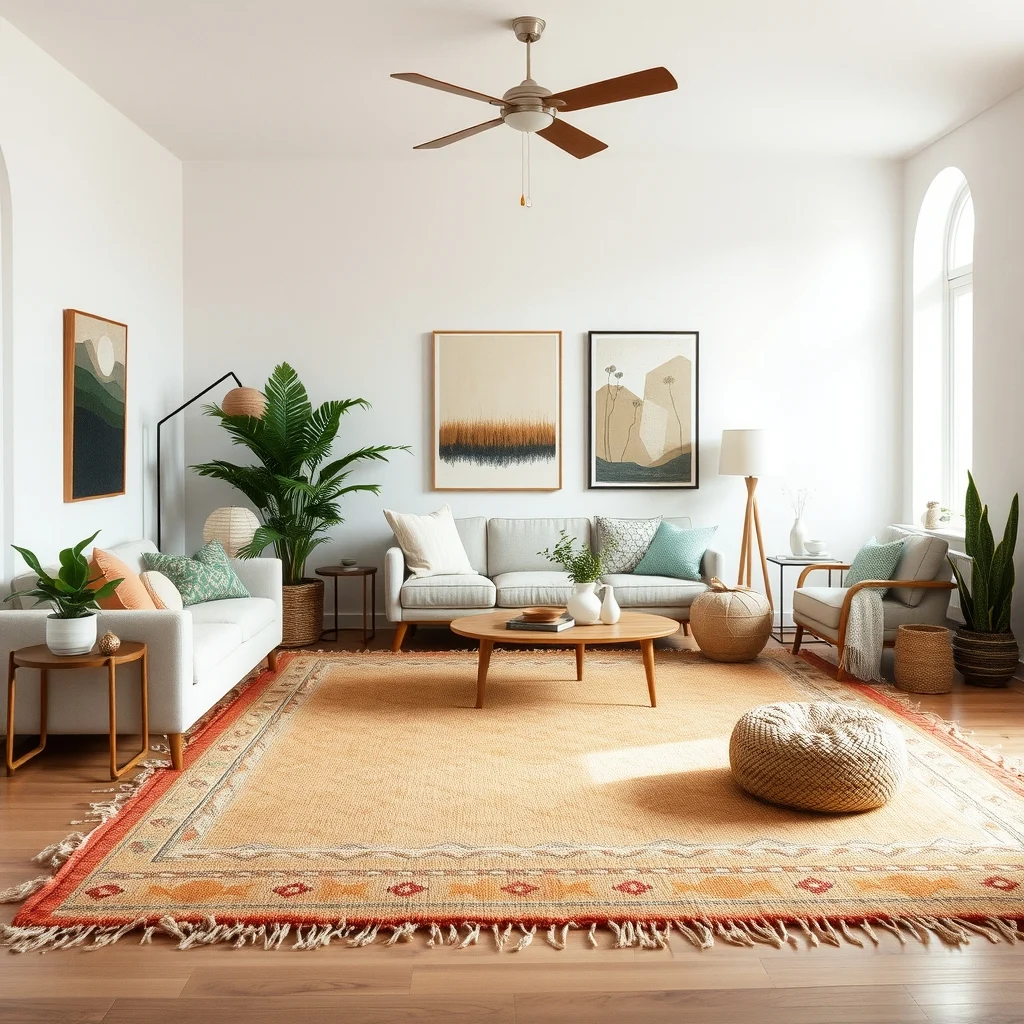
Start by anchoring the floor with a large hand‑woven kilim in muted ochre, deep rust, and soft ivory. The natural fibers add subtle pattern while the earthy palette creates a warm foundation that works well under a low‑profile sofa. Pair the rug with a linen sofa in a gentle greige; the softness of the fabric contrasts nicely with the geometric weave beneath. A reclaimed‑wood coffee table, left with a light distress finish, reinforces the organic vibe without demanding visual attention. To keep the room feeling airy, let natural light filter through sheer curtains in a light sand hue, allowing the rug’s colors to breathe. If a kilim feels too bold, a plain jute runner can provide a similar texture while letting you introduce patterned cushions later.
2. Layered textiles that celebrate African prints

Introduce a mix of throw pillows and blankets that feature classic African prints such as mud cloth, Ankara, or kente, but keep the overall color scheme restrained to avoid clash. A deep teal sofa becomes a canvas for pillows in mustard, burnt orange, and ivory, each with a different weave that invites touch. A lightweight cotton throw draped over the arm adds a casual layer and can be swapped seasonally. The key is to vary the scale of the patterns—large blocky designs on one pillow, finer motifs on another—so the eye moves across the seating area without feeling crowded. When space is limited, consider a single oversized pillow as a focal point and let the remaining cushions remain in solid neutral tones.
3. Statement wall with reclaimed adobe plaster
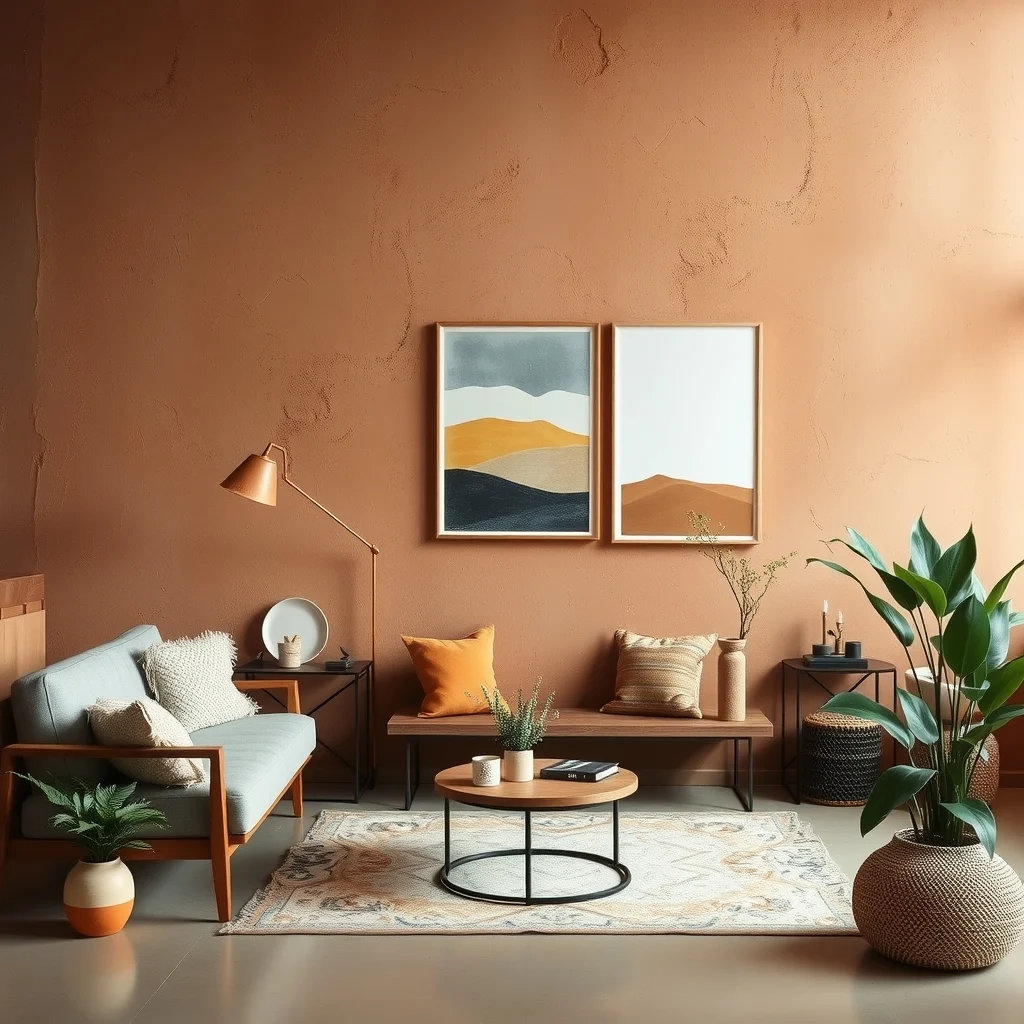
Give one wall a textured finish using reclaimed adobe plaster, which offers a soft, earthen surface reminiscent of traditional African dwellings. The slightly uneven hue, ranging from warm sand to muted terracotta, creates depth without the need for additional artwork. Mount a simple wooden shelf made from reclaimed pine to display a few ceramic vases, a small indoor plant, and a stack of well‑chosen books. The shelf’s natural grain complements the plaster, while the curated objects add personality without clutter. If plaster work feels too permanent, a large fabric panel in a complementary earth tone can achieve a similar effect and is removable for renters.
4. Curved seating arrangement inspired by communal spaces
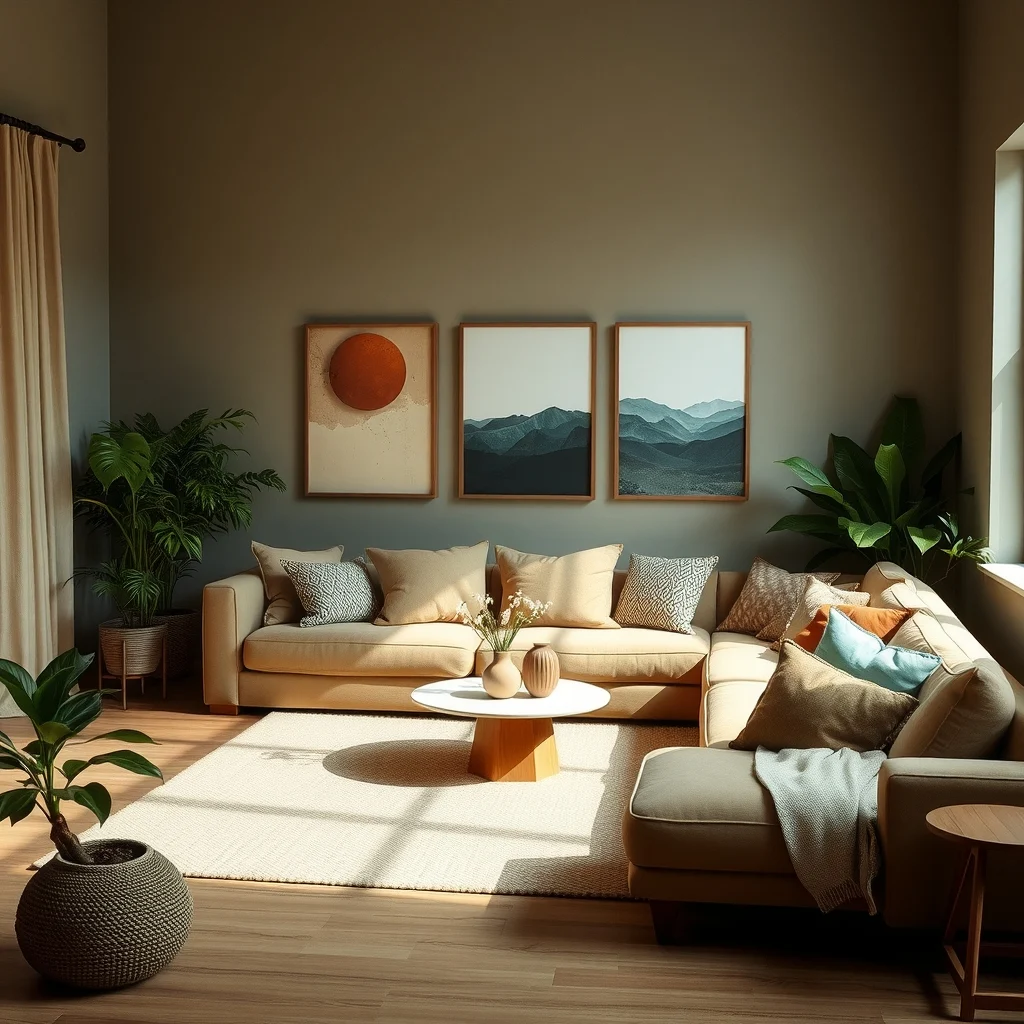
Arrange a low, curved sectional sofa to mimic the inclusive feel of a traditional gathering area. Choose upholstery in a soft, muted olive that echoes the greens found in African landscapes. Flank the sofa with a pair of poufs upholstered in raw silk that feature subtle tribal motifs; they provide flexible seating and a tactile contrast. A woven bamboo rug placed beneath the seating group grounds the arrangement and adds a light, natural sheen. Overhead, a pendant light with a hand‑blown glass shade in amber casts a warm glow, reinforcing the sense of intimacy. If a full curved sofa is out of reach, two complementary armchairs placed at an angle can suggest the same flow.
5. Built‑in storage with carved wooden panels
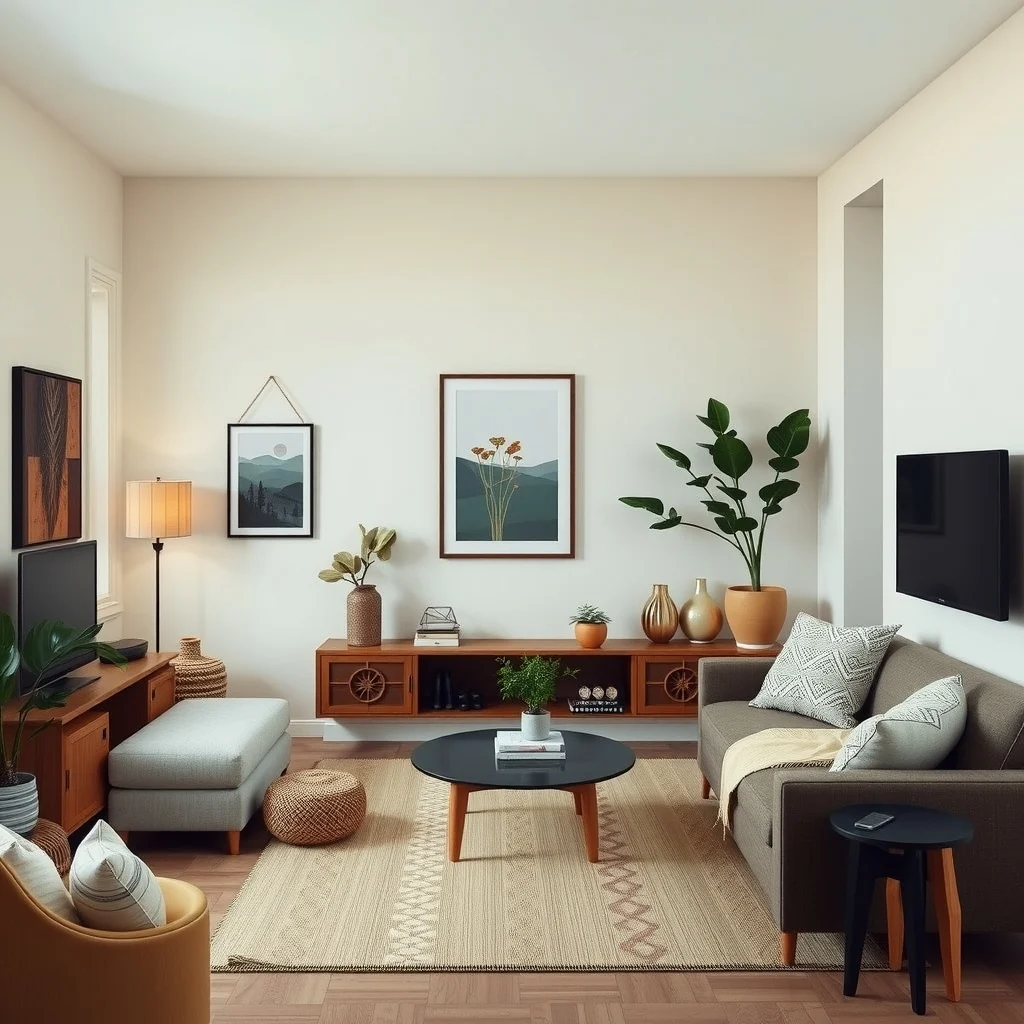
Integrate low, built‑in cabinets along one side of the room, finished with carved wooden panels that showcase simple geometric patterns. The cabinetry offers discreet storage for blankets, magazines, and media equipment, keeping the space tidy while adding a handcrafted element. Keep the cabinet doors painted in a soft dove gray to let the carved details stand out without competing with other décor. Top the cabinets with a few decorative objects—perhaps a brass lantern, a hand‑painted ceramic bowl, and a small potted succulent—to break up the linearity. For apartments where built‑ins aren’t possible, a freestanding media console with similar carved accents can deliver the same visual interest.
6. Natural light emphasis with woven window treatments

Replace heavy drapes with woven bamboo shades that filter light gently, creating dappled illumination reminiscent of a tree‑lined courtyard. The shades soften the glare while maintaining privacy, and their texture adds another layer of interest to the walls. Pair the windows with a modestly sized indoor plant—such as a fiddle‑leaf fig or a snake plant—to bring a touch of greenery that echoes the outdoor inspiration behind Afrocentric design. A simple floor lamp with a linen shade positioned near the reading nook offers additional light for evenings without overwhelming the natural ambience. If bamboo shades are unavailable, a linen curtain in a neutral sand tone can achieve a comparable light quality.
7. Artistic focal point using reclaimed metal wall art
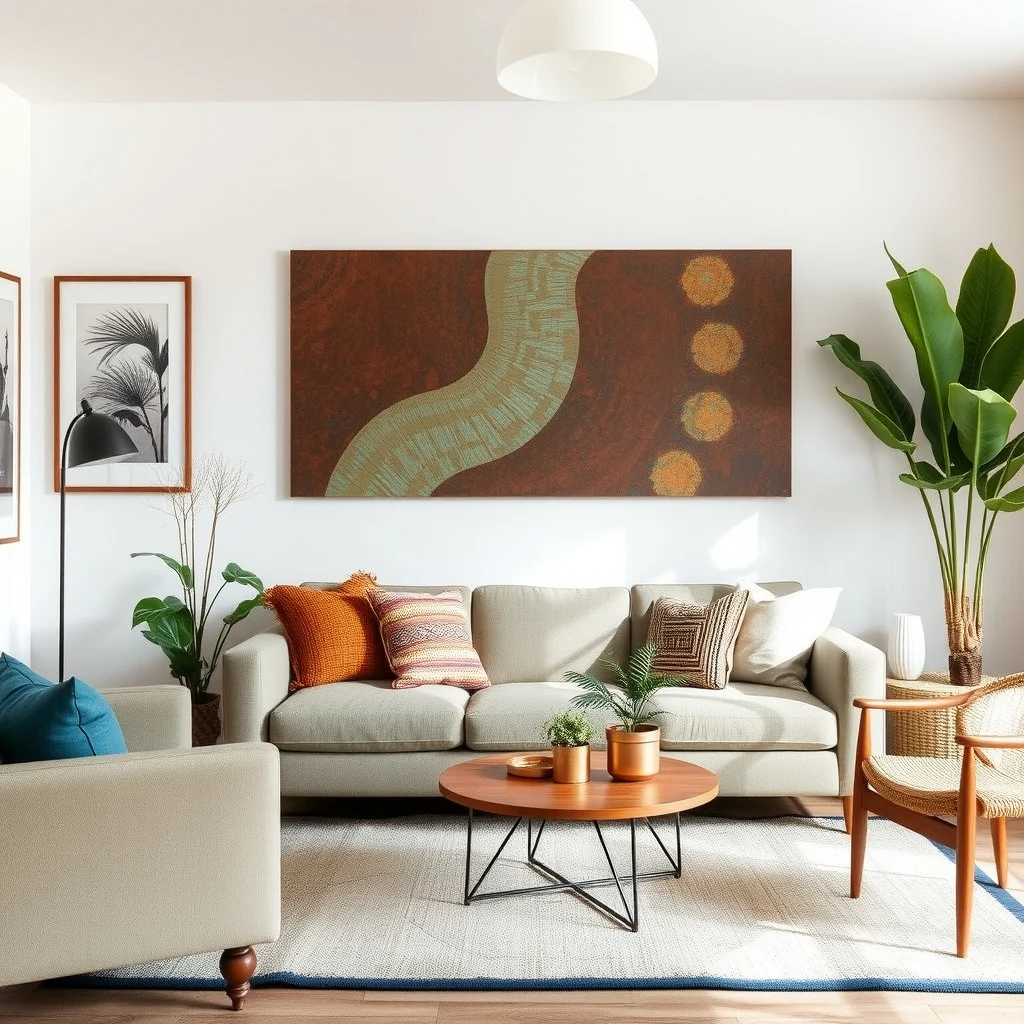
Hang a large piece of reclaimed metal artwork, perhaps a rust‑patinated abstract shape, on the main wall opposite the sofa. The metal’s weathered finish introduces an industrial texture that balances the softer, natural elements elsewhere in the room. Position a sleek, low coffee table made of glass or light wood in front of the artwork so the piece remains the visual anchor without being obstructed. Add a single sculptural floor lamp with a matte black base to highlight the metal’s sheen during evening hours. For homes with children, choose a piece without sharp edges or opt for a metal wall hanging with smooth, rounded forms to maintain safety.
Frequently Asked Questions

How can I incorporate Afrocentric style on a tight budget?
You can start with affordable textiles like throw pillows or a rug that feature African prints, and mix them with existing furniture. Adding a few handcrafted accessories, such as a woven basket or a small wall hanging, provides visual interest without a large expense.
Is it okay to use bright colors in an Afrocentric living room?
Bright accents work well when balanced with neutral bases. Pair a bold, patterned cushion with a sofa in a muted tone, and let the rest of the room stay in softer shades to avoid visual overload.
What type of flooring works best with African‑inspired décor?
Natural flooring such as reclaimed wood, polished concrete, or a hand‑woven rug complements the earthy feel of Afrocentric design. These surfaces provide a sturdy backdrop for patterned textiles and decorative objects.
Can I apply these ideas to a small living room?
Yes, focus on one or two key elements—like a kilim rug and a statement wall—and keep the remaining furniture streamlined. Using light-colored walls and strategic lighting will maintain a sense of openness.
Final Thoughts
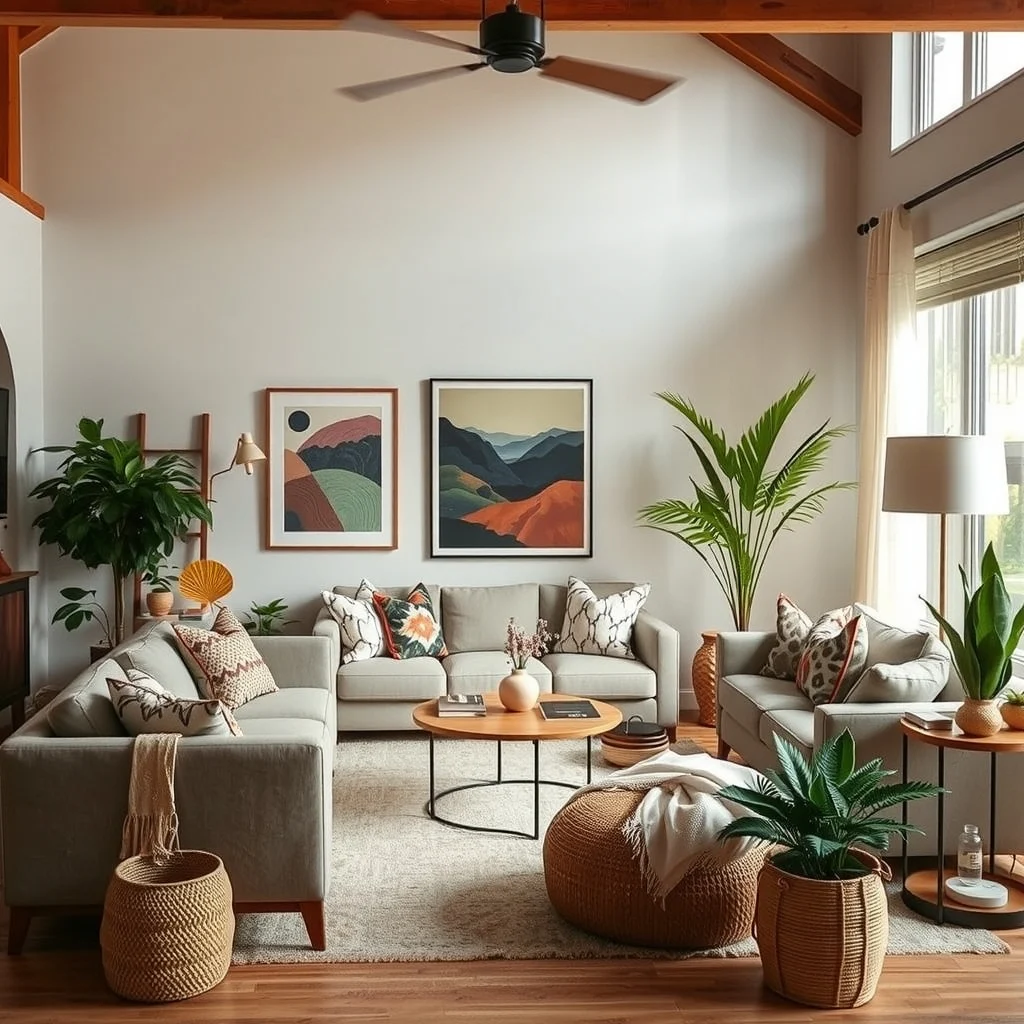
Afrocentric design offers a rich palette of textures, patterns, and natural materials that can transform a living room into a space that feels both rooted and inviting. By selecting a few focal points—whether it’s a hand‑woven rug, a textured wall, or reclaimed metal art—and pairing them with thoughtful lighting and comfortable seating, you create a room that tells a story without shouting. Feel free to mix and match the ideas above, adapt them to your floor plan, and let the room evolve as you discover which elements bring you the most comfort and joy.