

When a room feels a little too sterile, the gentle curves of rattan and the understated grain of bamboo can bring the outdoors inside without overwhelming the space. Both materials are lightweight, renewable and surprisingly adaptable, making them ideal for everything from a quiet reading nook to a bustling family kitchen. Below are seven distinct ways to weave these natural fibers into your home, each with its own mood and practical considerations.
1. A Rattan‑Framed Daybed in the Living Room
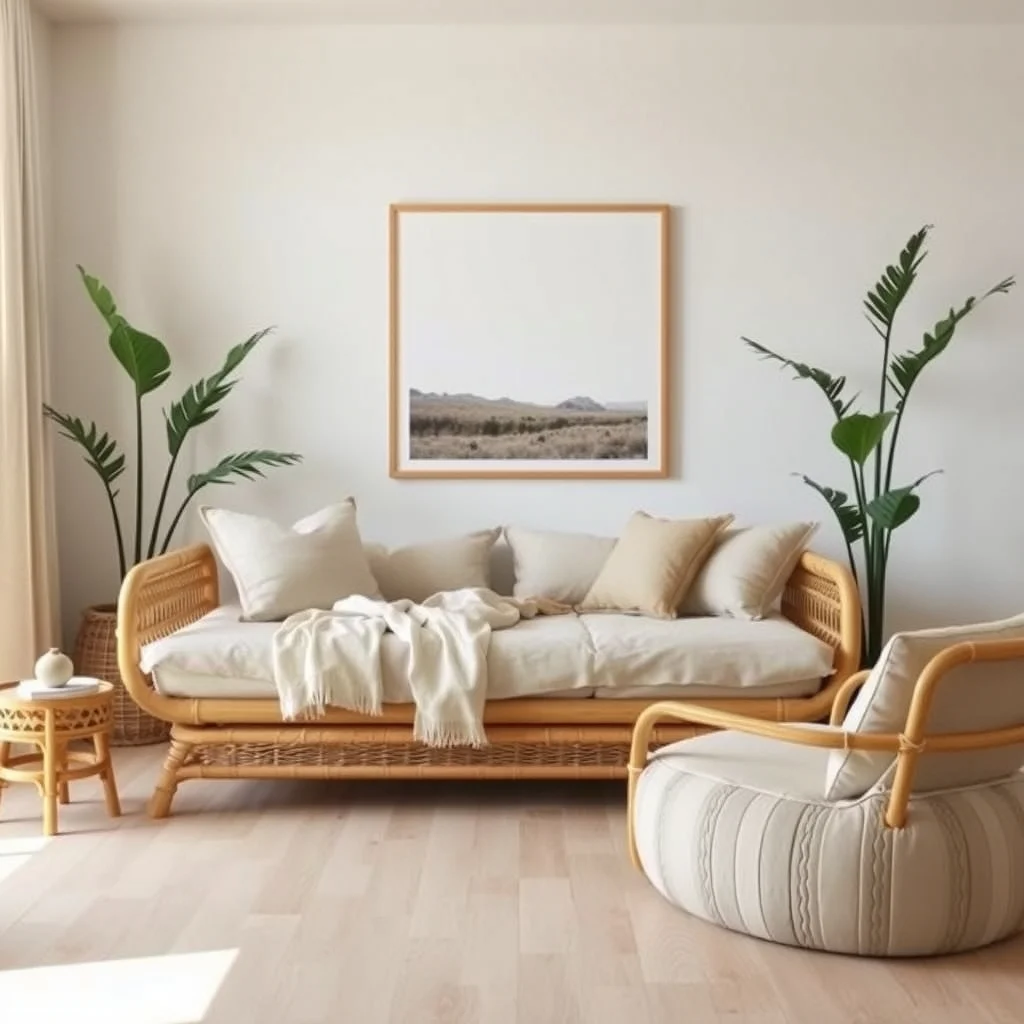
Imagine a low‑profile daybed anchored by a sleek rattan frame, its woven seat inviting you to stretch out after a long day. Pair the structure with a linen duvet in a soft greige tone, and add a couple of plush throw pillows in muted sage to keep the palette grounded. The daybed sits against a wall of reclaimed brick, allowing the natural texture of the rattan to stand out without competition. A floor lamp with a linen shade casts a warm pool of light that highlights the subtle sheen of the woven seats, while a small side table of reclaimed wood holds a steaming mug of tea for casual sipping. This arrangement works best in living rooms that need an extra lounging spot without sacrificing floor space. If the room feels cramped, swap the daybed for a rattan chaise and keep the floor area open.
2. Bamboo Shelving in a Home Office
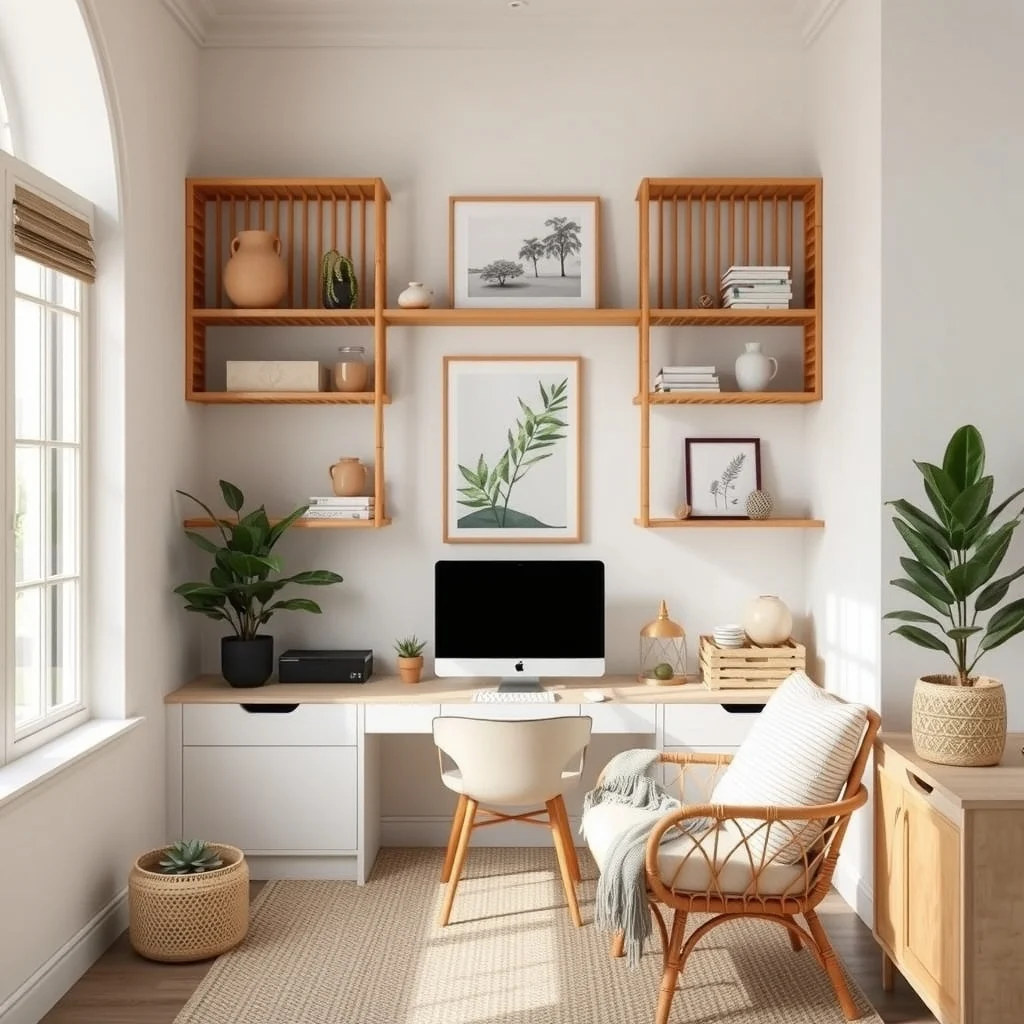
A set of open‑concept bamboo shelves can turn a modest home office into a calm, organized haven. The light‑colored slats reflect natural light, making the room feel larger, while the vertical lines draw the eye upward, encouraging a sense of spaciousness. Arrange a few bound journals, a potted snake plant, and a ceramic mug on the middle shelf, then place a sleek laptop on the top tier. The lower shelf holds a small basket for paperwork, keeping clutter out of sight. Because bamboo is sturdy yet forgiving, it tolerates the occasional bump from a laptop or stack of books. For tighter spaces, a single floating bamboo unit can replace a bulky bookcase, preserving wall space for artwork or a cork board.
3. Rattan Accent Chair in a Sunlit Dining Nook

In a corner where morning light streams through a narrow window, a rattan accent chair can become the focal point of a small dining nook. Choose a chair with a slightly curved back and a seat upholstered in breathable cotton in a warm terracotta hue. The natural weave of the rattan softens the angular lines of the adjacent table, while a woven jute rug underfoot adds texture without competing for attention. A pendant light with a matte brass finish hangs low, casting a gentle glow that highlights the chair’s organic pattern. This setup is perfect for homes that enjoy casual meals at the table but need a single, comfortable seat for reading or sipping coffee. If the chair feels too delicate for daily use, a rattan‑backed wooden chair offers similar aesthetics with added durability.
4. Bamboo Room Divider for an Open‑Plan Layout

Open‑plan homes often struggle with defining zones without erecting permanent walls. A floor‑to‑ceiling bamboo room divider can subtly separate a living area from a kitchen while preserving visual flow. The slatted panels allow light to filter through, maintaining an airy atmosphere, and the natural hue blends seamlessly with both neutral sofas and darker cabinetry. Position a low console table against the divider to hold keys, mail, or a decorative tray of fresh fruit. When the space needs to open up again, the divider can be folded and stored against a wall. For renters, a lightweight, freestanding bamboo screen offers the same visual break without any installation.
5. Rattan Light Fixtures Over a Bedroom Headboard

Replacing a conventional ceiling fixture with a rattan pendant or a cluster of woven lanterns can give a bedroom a relaxed, resort‑like feel. Hang a medium‑sized rattan lantern centered over the headboard, allowing the soft glow to wash over the bedding. Complement the lantern with a pair of bedside sconces that feature thin bamboo stems, creating a layered lighting scheme that can be dimmed for bedtime reading. The rattan shade diffuses the light, reducing harsh shadows and making the room feel cocooned. This approach works well in bedrooms that already feature natural textiles such as linen curtains or a jute rug. If the ceiling height is low, consider a low‑profile rattan table lamp on a nightstand instead.
6. Bamboo Kitchen Island with Integrated Storage
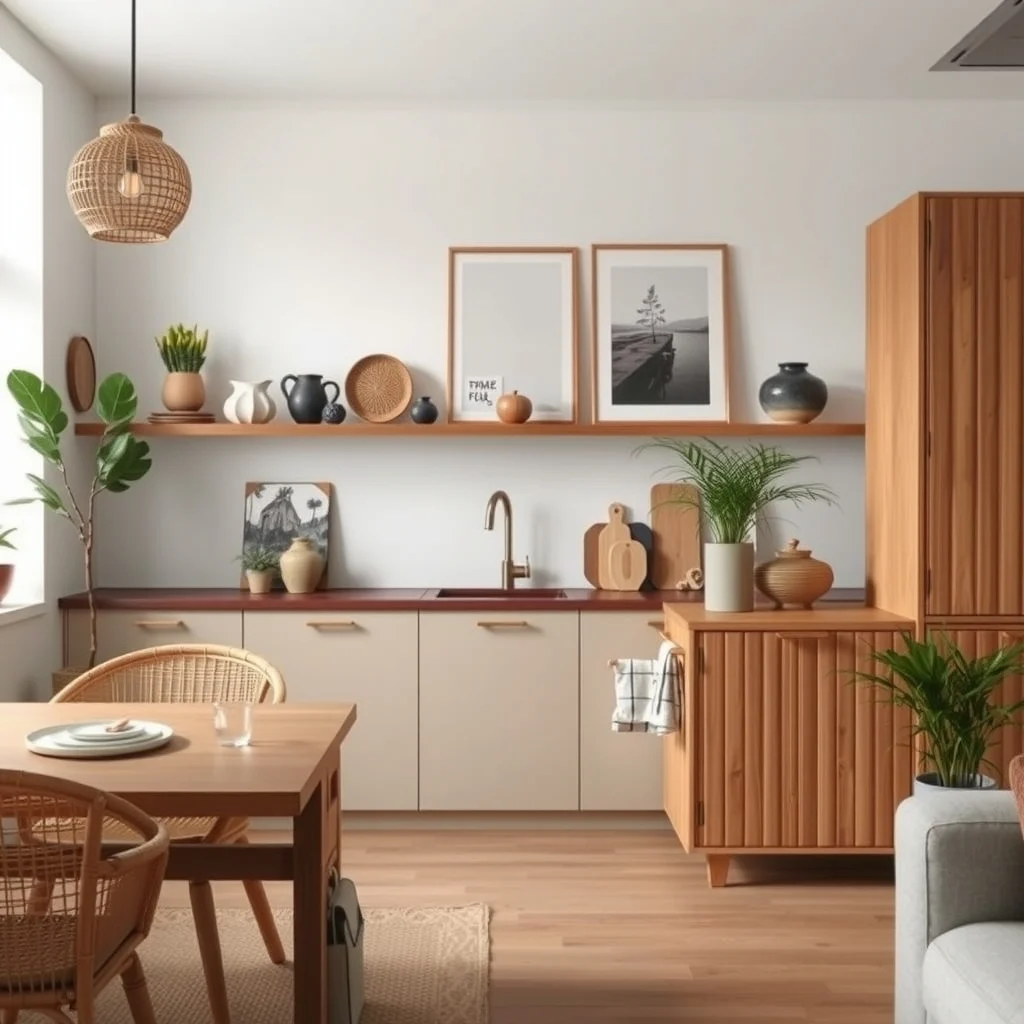
A compact bamboo kitchen island can serve as both a prep surface and a storage solution, especially in smaller homes where countertop real estate is at a premium. The island’s sleek, rectangular form is finished in a light honey tone that brightens the surrounding cabinets. Inside, sliding bamboo doors hide pantry items, while open lower shelves display hand‑crafted ceramic bowls and a small herb garden. A built‑in outlet powers a portable induction cooktop, making the island functional for quick meals. Because bamboo is resistant to moisture when properly sealed, it holds up well to occasional splashes. If the kitchen layout cannot accommodate a full island, a bamboo cart on wheels provides similar utility and can be moved as needed.
7. Rattan Wall Hangings in a Hallway Gallery
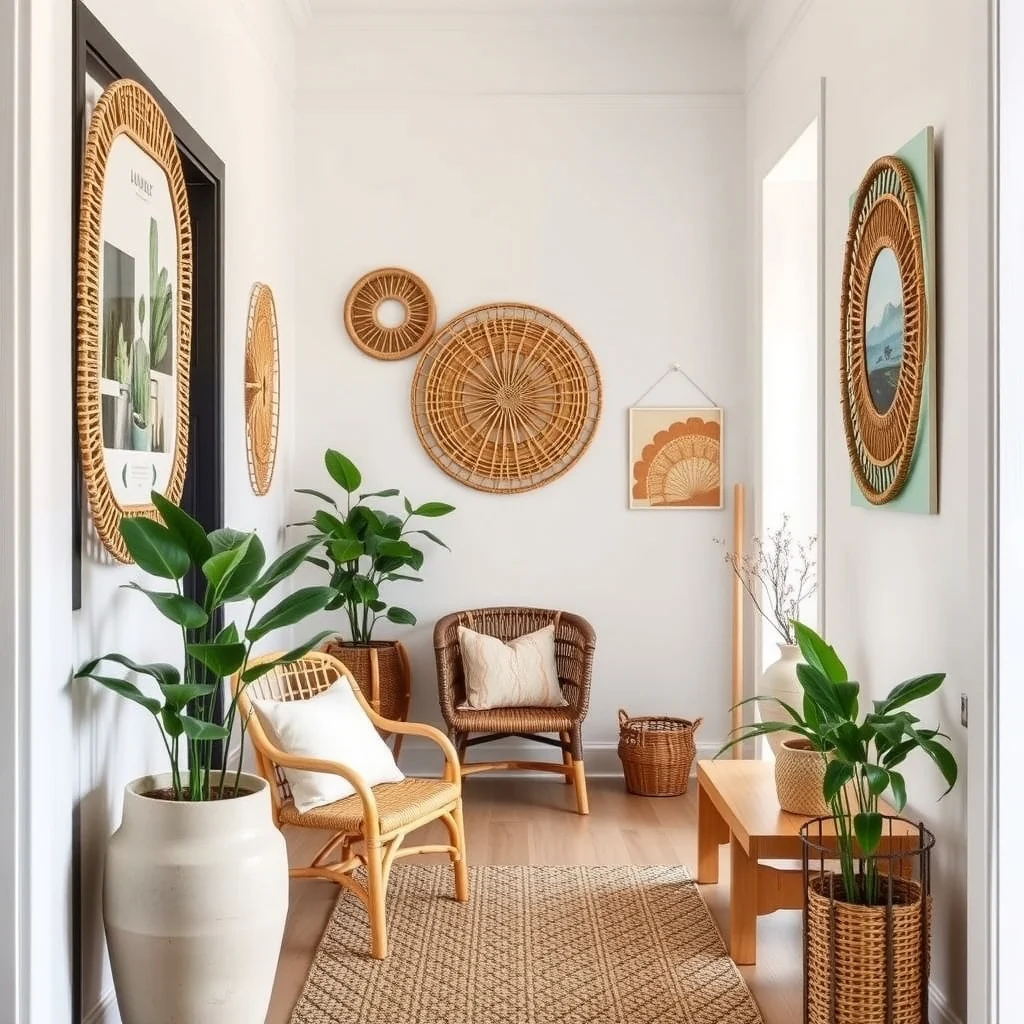
Hallways often become overlooked spaces, but a series of rattan wall hangings can turn the passage into a curated gallery. Choose three pieces of varying sizes, each featuring a different weaving pattern—tight lattice, open weave, and a subtle fringe. Mount them at eye level on a neutral wall painted in a soft dove gray, allowing the natural color of the rattan to stand out. Between the hangings, place a narrow console with a bamboo veneer top, displaying a few potted succulents and a stack of well‑used coffee table books. The combination of texture and greenery adds depth without cluttering the narrow space. For homes with limited wall space, a single larger rattan panel can serve as a statement piece while still providing visual interest.
FAQ

How do I keep rattan furniture looking fresh?
Dust the pieces weekly with a soft cloth and avoid exposing them to direct sunlight for prolonged periods, as UV light can fade the natural color. Occasionally wipe with a damp cloth and a mild soap solution, then dry thoroughly.
Is bamboo suitable for high‑humidity areas like bathrooms?
Bamboo can be used in bathrooms if it is sealed with a water‑resistant finish. Opt for bamboo vanity tops or accessories that have been treated specifically for moisture, and keep the area well‑ventilated to prevent swelling.
Can I mix rattan and metal furniture without it looking mismatched?
Yes, pairing rattan with brushed brass or matte black metal creates a balanced contrast; the key is to keep the color palette cohesive and let the natural texture of the rattan remain the focal point.
What’s the best way to protect a bamboo countertop from scratches?
Use cutting boards for food preparation and place trivets under hot pots. A thin, clear sealant applied annually can add an extra layer of protection without altering the material’s look.
Are there affordable alternatives to solid rattan and bamboo?
Wicker‑style furniture made from synthetic fibers mimics the look of rattan at a lower price point, while bamboo plywood offers a similar aesthetic for cabinetry and shelving when solid bamboo is out of budget.
Final Thoughts
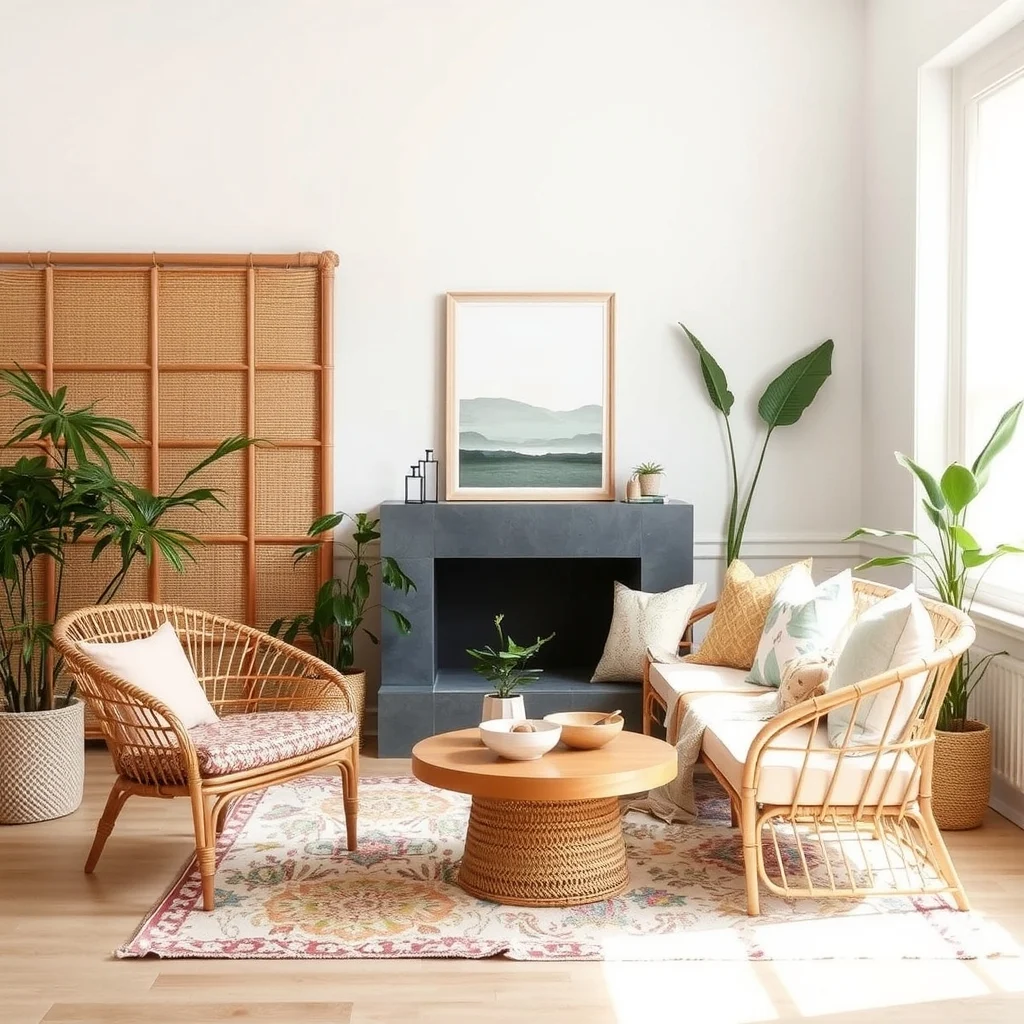
Integrating rattan and bamboo into your home is less about a single statement piece and more about weaving natural textures throughout the spaces you inhabit. Whether you choose a low‑profile daybed, a bamboo screen, or a series of woven wall hangings, each element adds a tactile reminder of the outdoors while fostering a warm, inviting atmosphere. By considering light, scale, and the everyday demands of each room, you can create a cohesive look that feels both relaxed and thoughtfully designed. Let the organic curves guide your next decorating project, and watch your home transform into a place where comfort and nature coexist.