
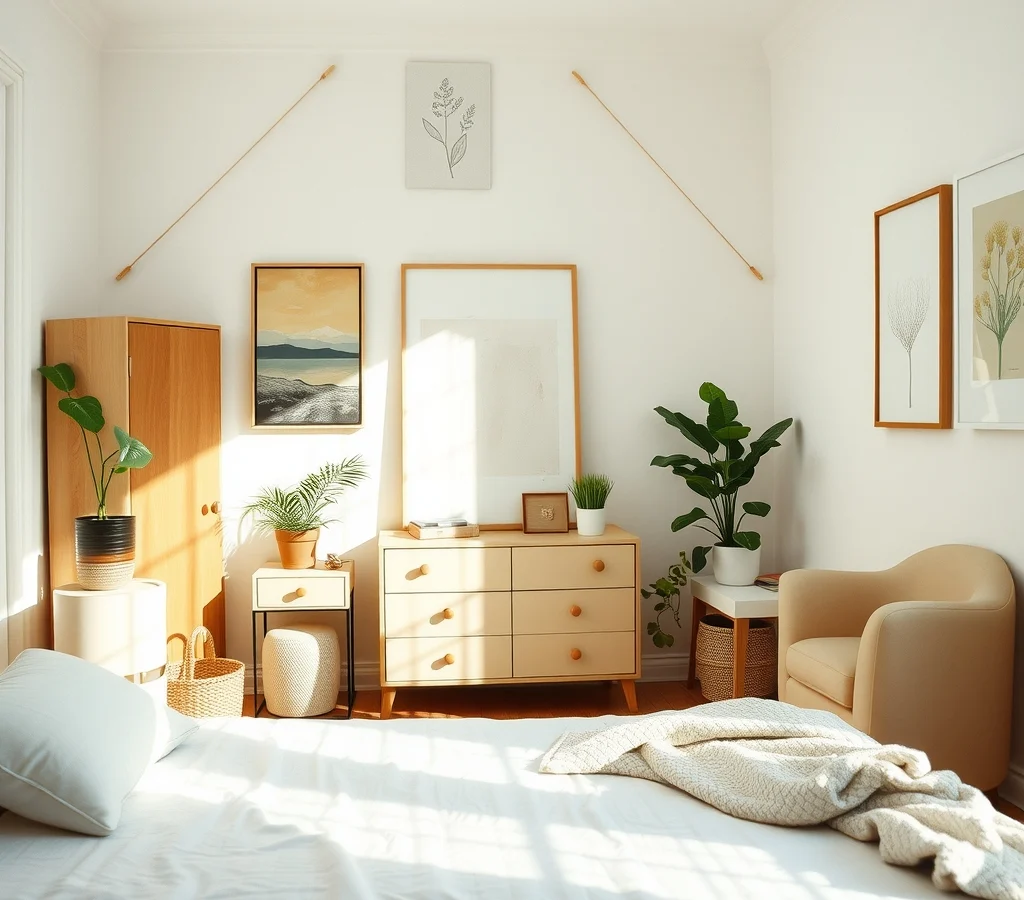
When you step into a bedroom that feels calm and ordered, the stress of the day begins to melt away. Yet many of us struggle with piles of clothes, stray books, and accessories that seem to multiply overnight. Below you’ll find seven distinct approaches that turn a chaotic sleeping area into a sanctuary without sacrificing style. Each concept is described in a way that lets you picture the finished room and offers practical steps to bring it to life.
1. Streamlined Bedside Pairings

One of the quickest ways to reduce visual noise is to treat each side of the bed as a unified station. Imagine a low, upholstered nightstand finished in a soft matte walnut, its surface just large enough for a lamp, a small stack of your favorite reads, and a decorative tray for jewelry. Pair that with a matching wall‑mounted shelf that holds a single potted fern, adding a touch of green without taking floor space. The uniformity of material and finish creates a sense of order, while the limited number of objects on each side prevents the bedside from becoming a catch‑all.
If a full nightstand feels too bulky for a narrow room, try a floating console made of reclaimed pine. Its open design lets you see the floor, keeping the area airy. You can still place a slim table lamp and a small basket for earbuds or chargers. The key is to choose one container per side and keep the contents intentional.
2. Built‑In Wardrobe Niches
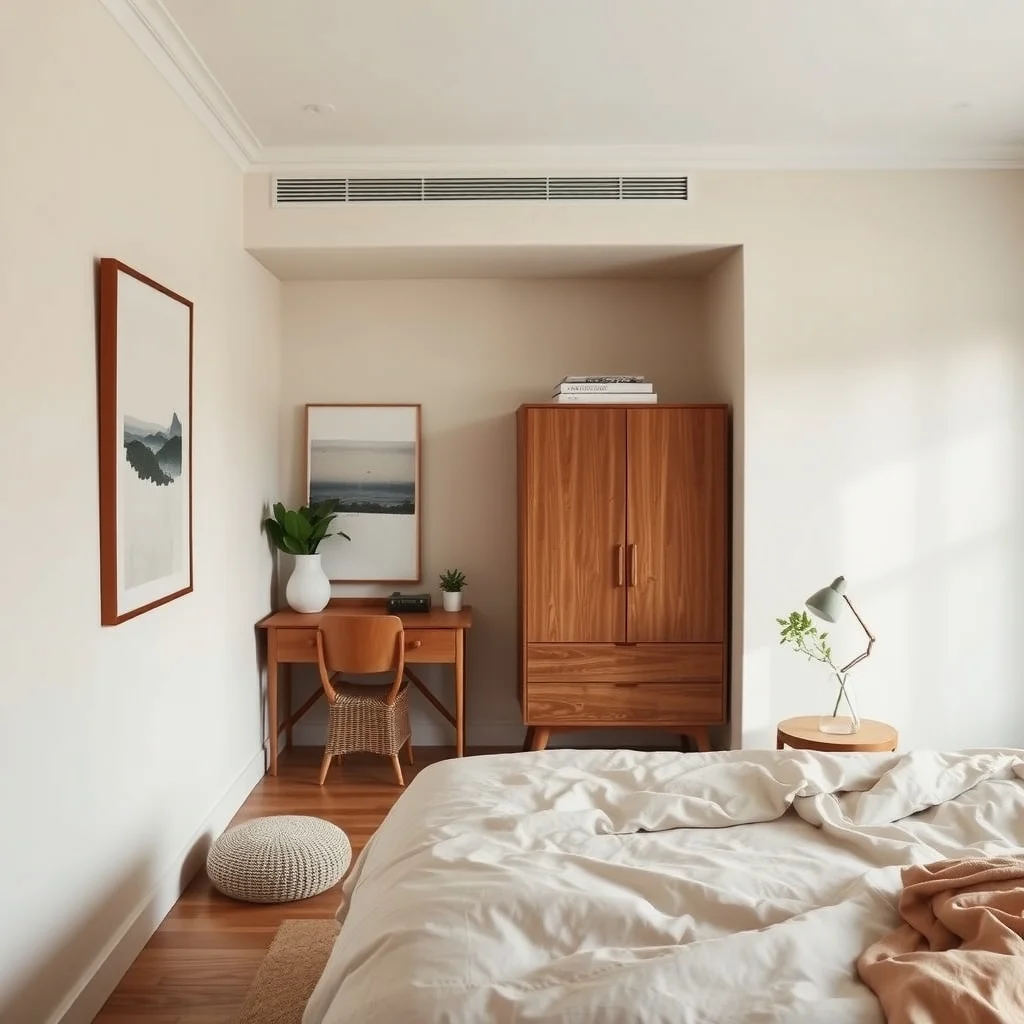
Many bedrooms have awkward gaps between the wall and a freestanding wardrobe. Turning those gaps into built‑in niches provides hidden storage that blends seamlessly with the room’s architecture. A recessed alcove painted in the same hue as the surrounding wall can house a series of pull‑out drawers lined with soft fabric. Store seasonal scarves, belts, and folded sweaters inside; the drawers close flush, erasing the visual clutter.
For renters or those wary of permanent construction, a freestanding modular shelving unit can be positioned against the wall to mimic the look of a niche. Adding a simple curtain in a neutral linen keeps the items out of sight while allowing easy access. The result feels custom without the commitment of a built‑in.
3. Multi‑Functional Headboard
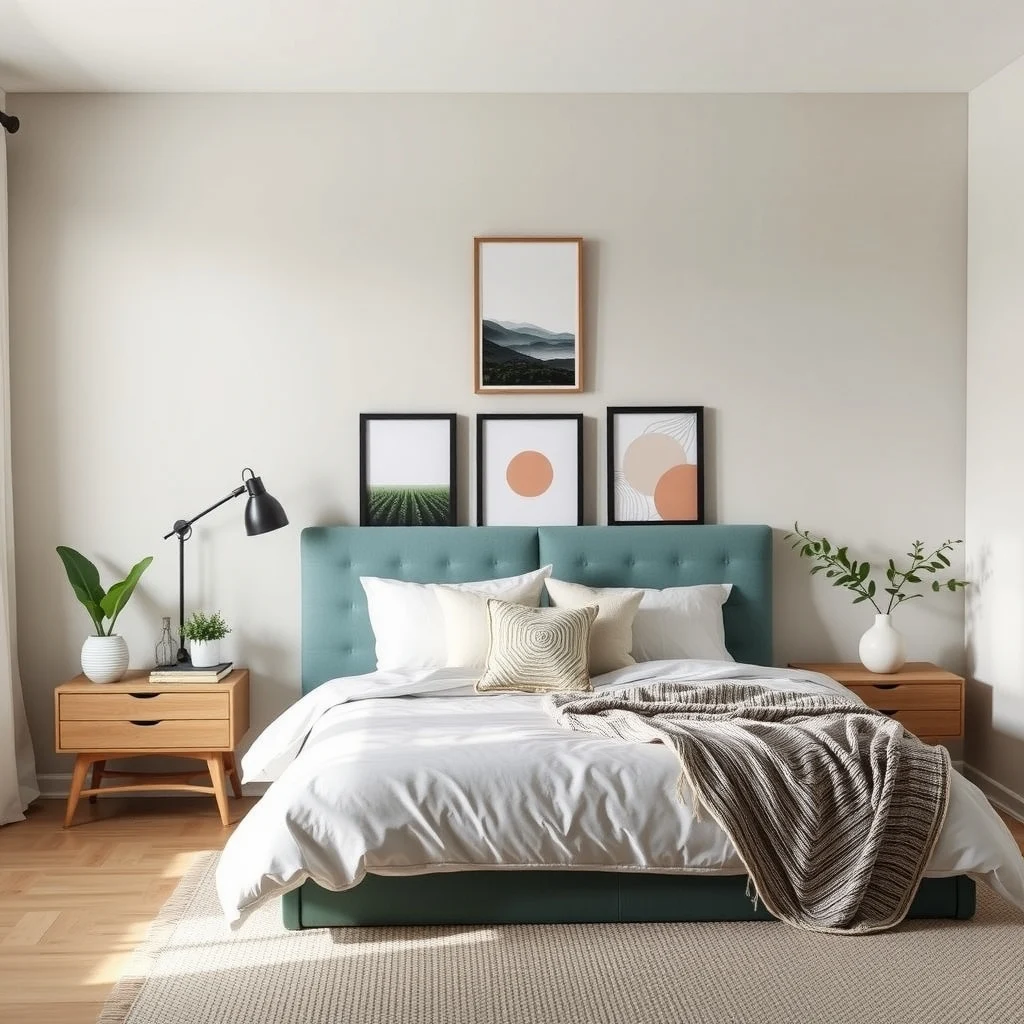
A headboard that doubles as storage can replace a separate dresser or set of wall hooks. Picture a padded headboard upholstered in a muted teal fabric, its lower panel fitted with shallow cubbies. Inside each cubby you can slide in a slim basket for socks, a small box for watches, or a rolled towel for quick access after a shower. The design maintains the soft visual appeal of a traditional headboard while providing discreet compartments that keep the floor clear.
If you prefer a more minimalist aesthetic, opt for a wooden slat headboard with a narrow shelf built into the top edge. A few decorative objects—a ceramic vase, a framed abstract print—can sit there without overwhelming the space. The shelf serves as a display area and a place to keep essentials within arm’s reach.
4. Under‑Bed Rolling Bins
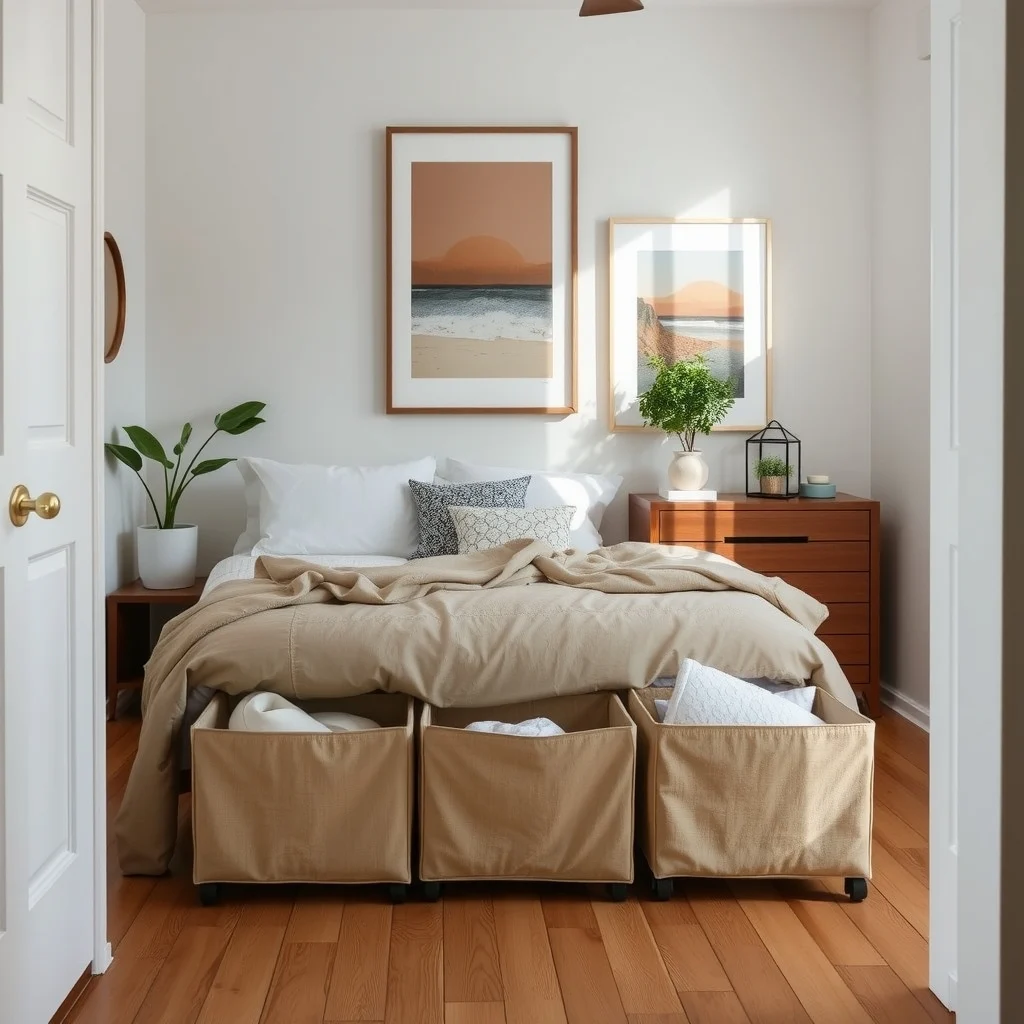
The space beneath the bed is often overlooked, yet it offers a generous hidden compartment. Choose a set of low‑profile rolling bins made from breathable canvas in a warm sand tone. The bins glide easily when you need to retrieve items, and their fabric sides allow air circulation, preventing musty smells. Use one bin for extra linens, another for shoes you wear only occasionally, and a third for a seasonal blanket.
If your mattress sits directly on a platform without clearance, consider low wooden drawers that slide out on metal runners. Their solid construction can support heavier items like winter coats while still fitting neatly under the bed frame. The visual line stays clean because the drawers sit flush with the bed’s base.
5. Ceiling‑Mounted Closet Organizers
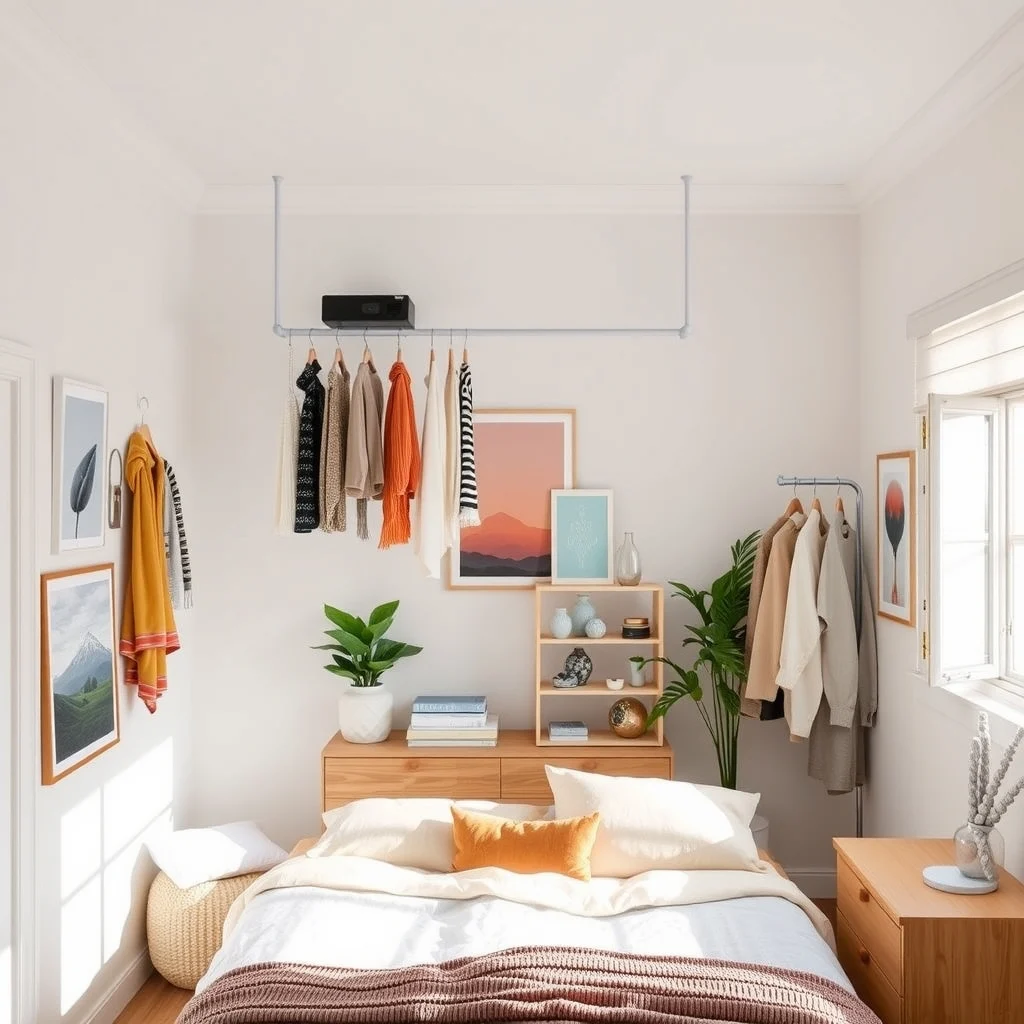
High ceilings present an opportunity to store items out of the way without sacrificing floor area. A ceiling‑mounted rail system with hanging organizers can hold lightweight accessories such as scarves, hats, and even a small collection of handbags. The organizers are typically made of clear acrylic or woven bamboo, allowing you to see the contents at a glance. By suspending these pieces, you free up closet rods for clothing and keep the floor free of stray items.
When ceiling height is modest, a wall‑mounted pegboard painted in a soft dove gray can serve a similar purpose. Hooks of varying lengths accommodate different items, and the board can be styled with a few small plants to soften its industrial look. Both solutions keep accessories organized while adding a subtle design element.
6. Dedicated Reading Nook with Built‑In Shelving
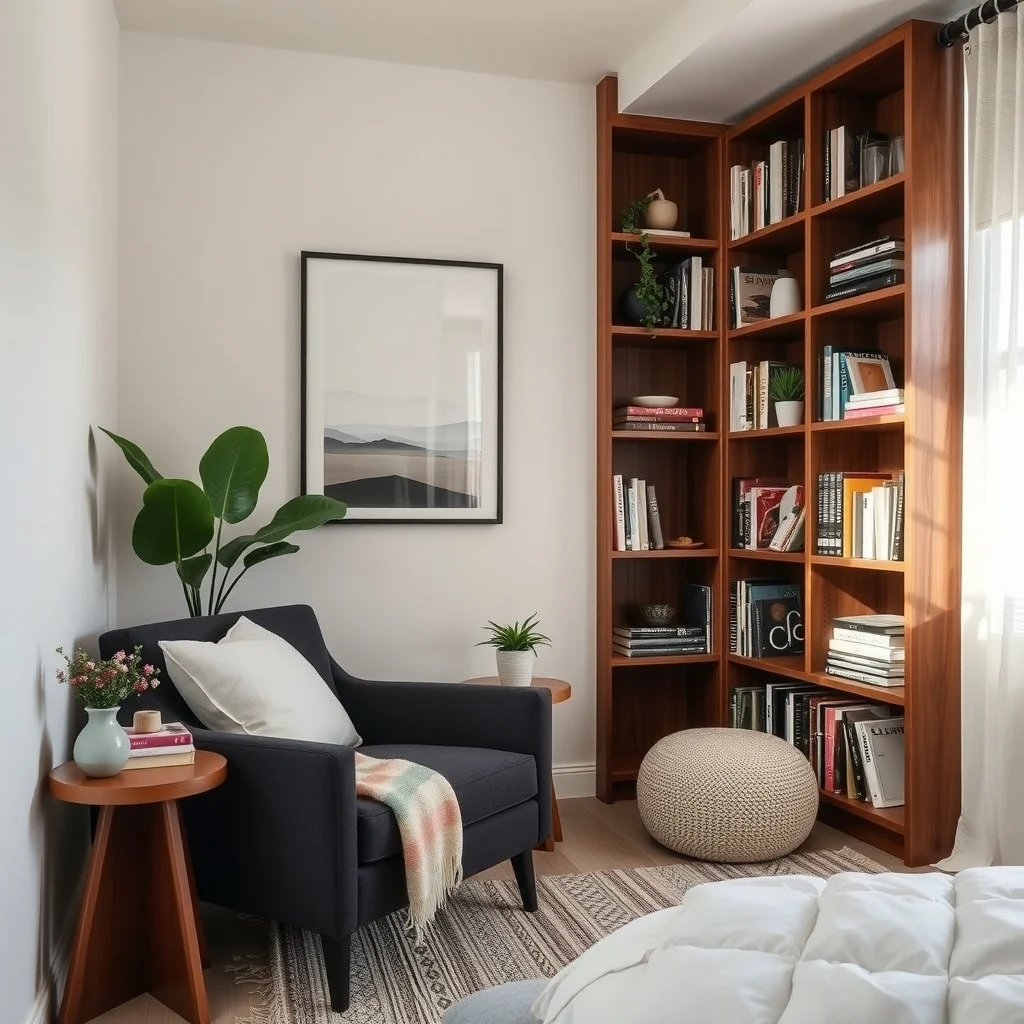
A small corner transformed into a reading nook can double as a storage solution. Envision a cozy armchair upholstered in a deep charcoal fabric, positioned next to a floor‑to‑ceiling built‑in bookshelf finished in brushed walnut. The shelf holds a curated selection of books, a few decorative objects, and a small basket for reading glasses. The visual focus shifts to the nook, making the rest of the room feel less crowded.
If space constraints prevent a full wall of shelving, a narrow ladder shelf leaning against the wall can achieve a similar effect. The ladder provides multiple tiers for books and small décor, while the open back allows the eye to travel through the room, reducing the feeling of congestion.
7. Minimalist Closet System with Uniform Hangers
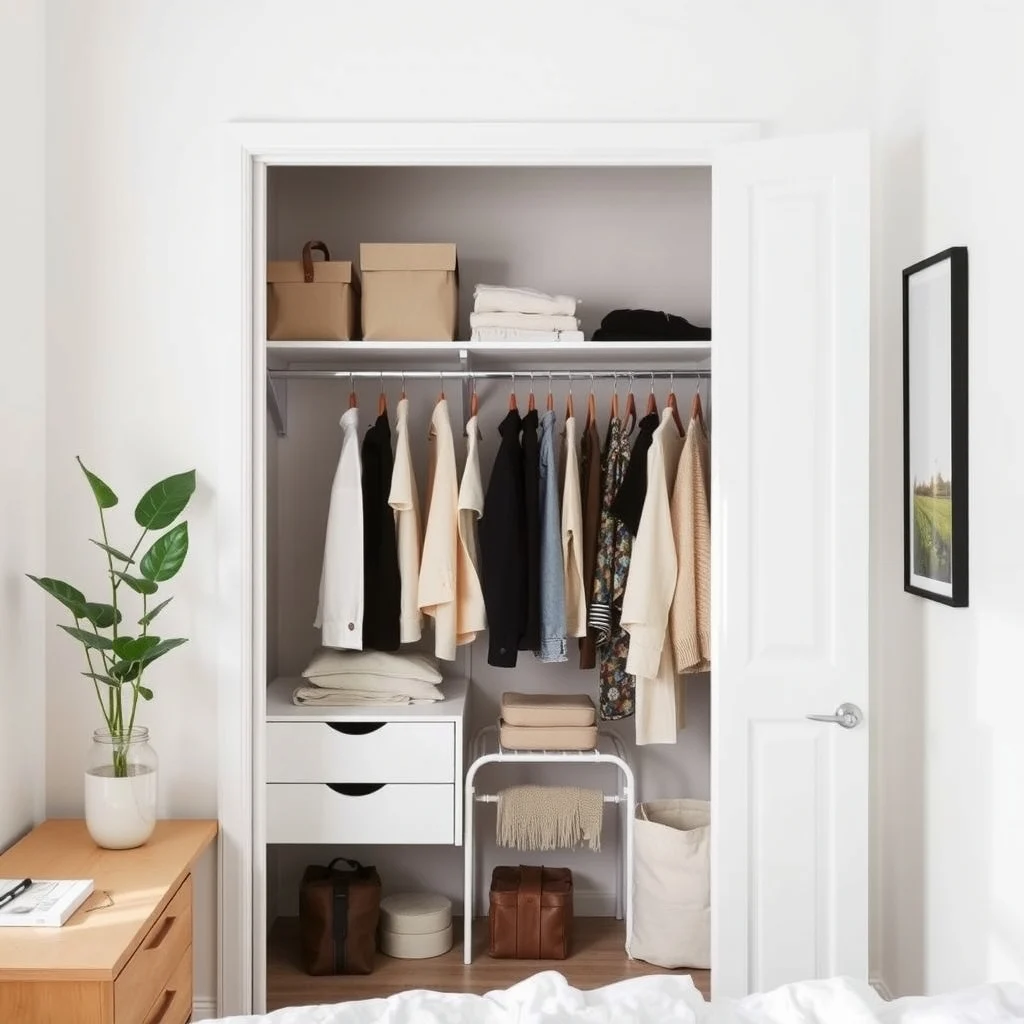
The closet interior often becomes a maze of mismatched hangers, tangled cords, and loose piles of clothing. Installing a simple rod system with a single type of slim, velvet hanger creates visual harmony. Pair the rod with a set of clear acrylic bins for folded items, and a pull‑out shoe rack at the bottom. The uniform hangers keep garments at the same depth, making it easier to see each piece.
For those who prefer an open‑concept closet, replace the traditional doors with frosted glass panels. The translucency hides clutter while still allowing light to filter through, giving the room an airy feel. Adding a narrow tension rod across the top of the closet can serve as a place to hang belts or scarves, keeping them visible yet orderly.
FAQ
How can I keep my bedroom organized if I have limited floor space?
Focus on vertical storage such as wall‑mounted shelves, hanging organizers, and tall dressers. Using the space above the bed or along the walls frees up the floor for movement.
What’s the best way to store seasonal clothing without taking up too much room?
Store seasonal items in breathable canvas bins under the bed or on high shelves, and rotate the current season’s pieces to the main closet area. This keeps out‑of‑season garments out of sight but still accessible.
Are there affordable alternatives to built‑in wardrobes?
Freestanding modular shelving units or portable wardrobe closets can mimic the look of built‑ins. Adding matching paint or fabric panels helps them blend with the room’s design.
How do I prevent clutter from accumulating on my nightstands?
Limit each nightstand to three items: a light source, a reading material, and a small container for personal items. Regularly assess the tray or drawer to remove anything that no longer belongs.
Can I incorporate plants without increasing the cleaning workload?
Choose low‑maintenance varieties such as snake plant or ZZ plant, and place them in self‑watering pots. A single well‑chosen plant adds freshness without demanding daily care.
Final Thoughts
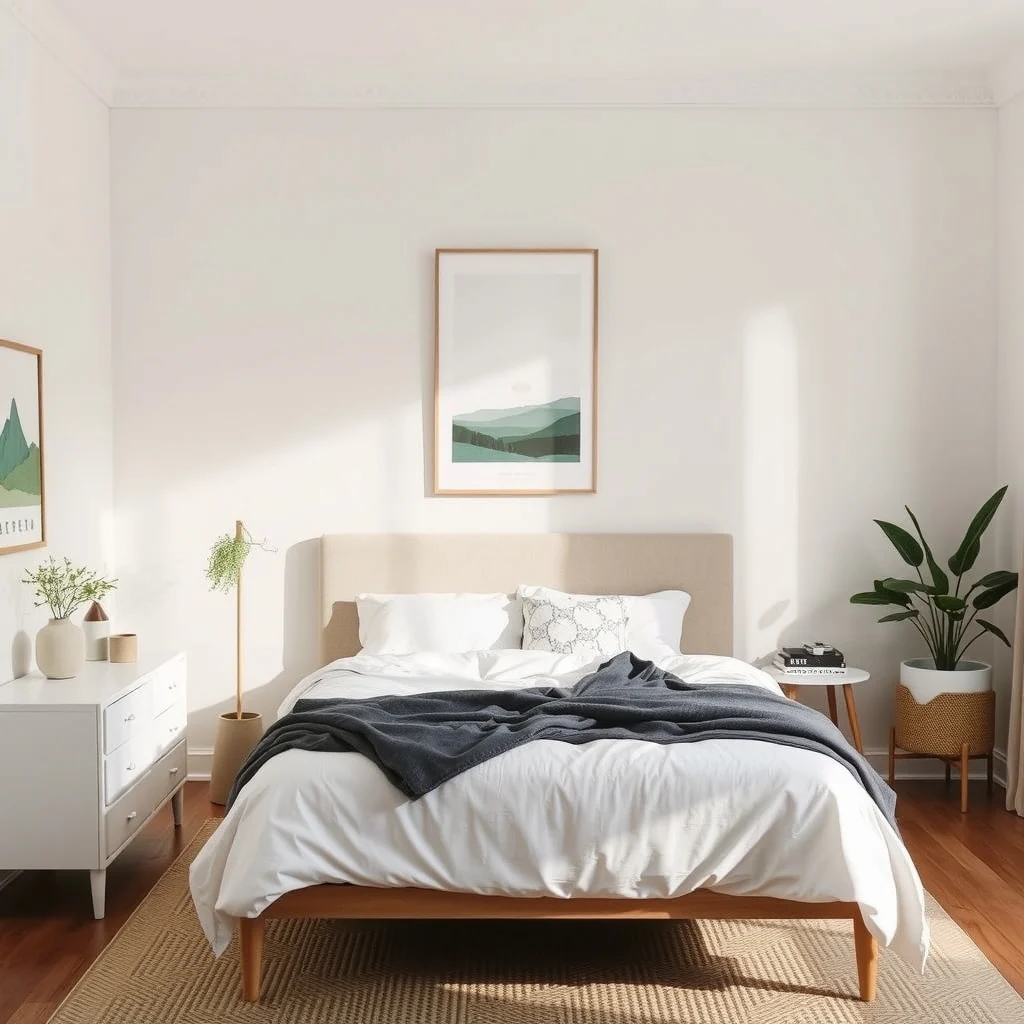
Creating a bedroom that feels calm and organized is less about buying expensive furniture and more about thoughtful placement and restraint. By selecting a few key pieces—whether it’s a streamlined bedside pairing, a multi‑functional headboard, or a clever use of under‑bed storage—you can shape a space that supports rest and rejuvenation. Remember that the most lasting changes come from habits as well as design: regularly returning items to their designated homes and being selective about what you keep. With the ideas outlined above, you have a toolbox of strategies that can be mixed, matched, and adapted to suit any bedroom size or style, guiding you toward a truly clutter‑free retreat.