
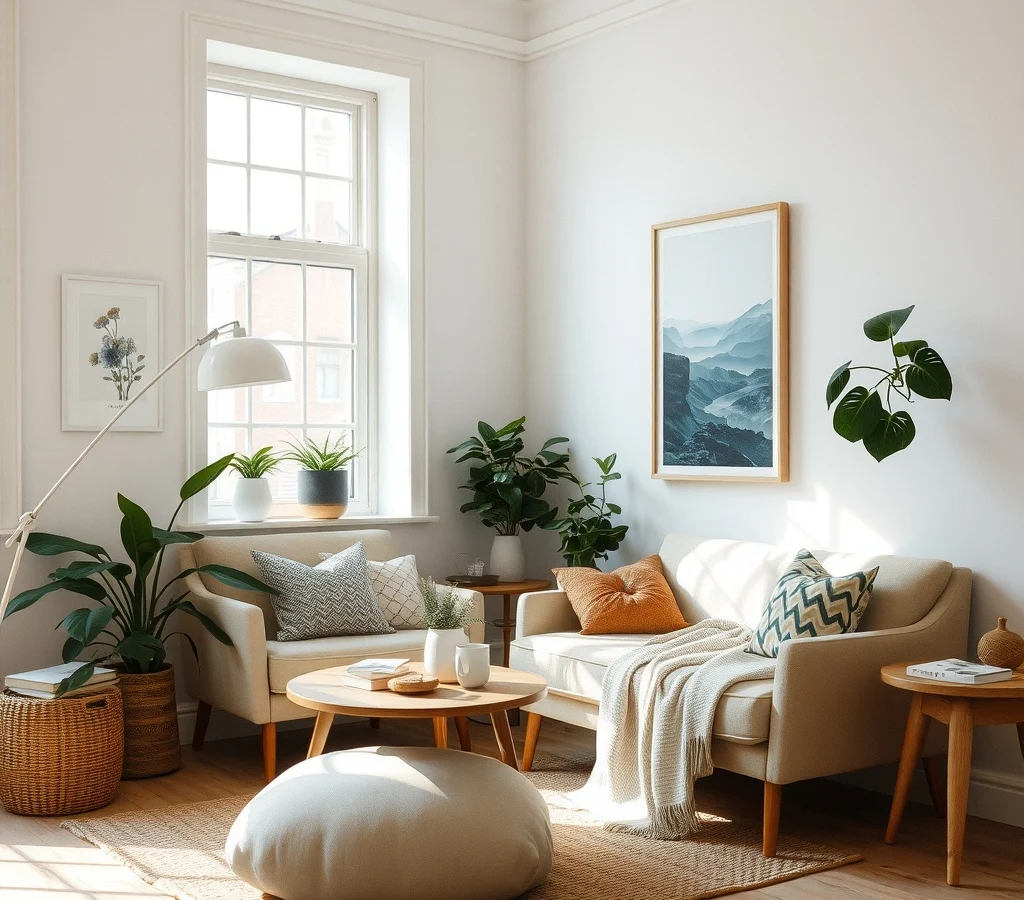
Living in a compact apartment often feels like a balancing act between function and comfort. You want a spot where you can sink into a good book, but every square foot is already claimed by the kitchen, bedroom, or home office. The good news is that a well‑thought‑out reading nook doesn’t need a dedicated room; it can emerge from a corner, a window ledge, or even an overlooked alcove. Below are seven distinct approaches that transform modest spaces into inviting literary retreats. Each idea includes suggestions for furniture, texture, lighting, and storage, plus a few practical compromises so you can adapt the concept to your own floor plan.
1. Window‑side Bench with Built‑in Storage

A sun‑lit window offers the perfect backdrop for a quiet reading session, and a low bench tucked beneath it creates a seamless integration of seating and storage. Choose a bench with a simple oak frame and a cushion upholstered in a soft, warm‑greige linen; the neutral tone lets the daylight stand out while the linen’s texture invites you to linger. Inside the bench, shallow drawers or a hidden compartment can hold a few current novels, a notebook, and a pair of reading glasses, keeping the area tidy without sacrificing style. Draping a light, sheer curtain on the outside adds a gentle diffusion of light that reduces glare during midday reading. If the window is unusually narrow, a custom‑cut bench that follows the exact dimensions will prevent the space from feeling cramped.
2. Corner Floor Cushion Paired with a Tall Bookcase

When a room’s corners are underutilized, a large floor cushion can become the anchor of a cozy nook. Opt for a cushion covered in a deep olive velvet; the richness of the fabric adds visual weight without demanding floor space. Position the cushion snugly against a floor‑to‑ceiling bookcase painted in a muted sage. The vertical lines of the shelves draw the eye upward, making the corner feel taller, while the open shelves give you room to display favorite titles, a small potted fern, and a vintage brass table lamp. The lamp’s warm glow creates a focused pool of light that balances the natural light coming from elsewhere in the room. If the ceiling height is low, a shorter bookcase or a ladder shelf can achieve the same effect without overwhelming the space.
3. Under‑Stair Hideaway with a Plush Armchair

Many older apartments have a staircase that leaves a shallow void beneath it—a space that often goes unused. By adding a low, upholstered armchair in a soft terracotta fabric, you instantly gain a private reading alcove. A narrow console table slides along the stair’s side, providing a surface for a steaming mug of tea and a small stack of books. To keep the area feeling airy, paint the stair risers in a light ivory and line the underside with a strip of LED tape; the subtle illumination makes the nook inviting after dark without requiring a bulky floor lamp. If the stair width is particularly tight, a compact swivel chair with a slim back can replace the armchair while preserving comfort.
4. Loft‑style Hanging Chair Over a Small Carpet
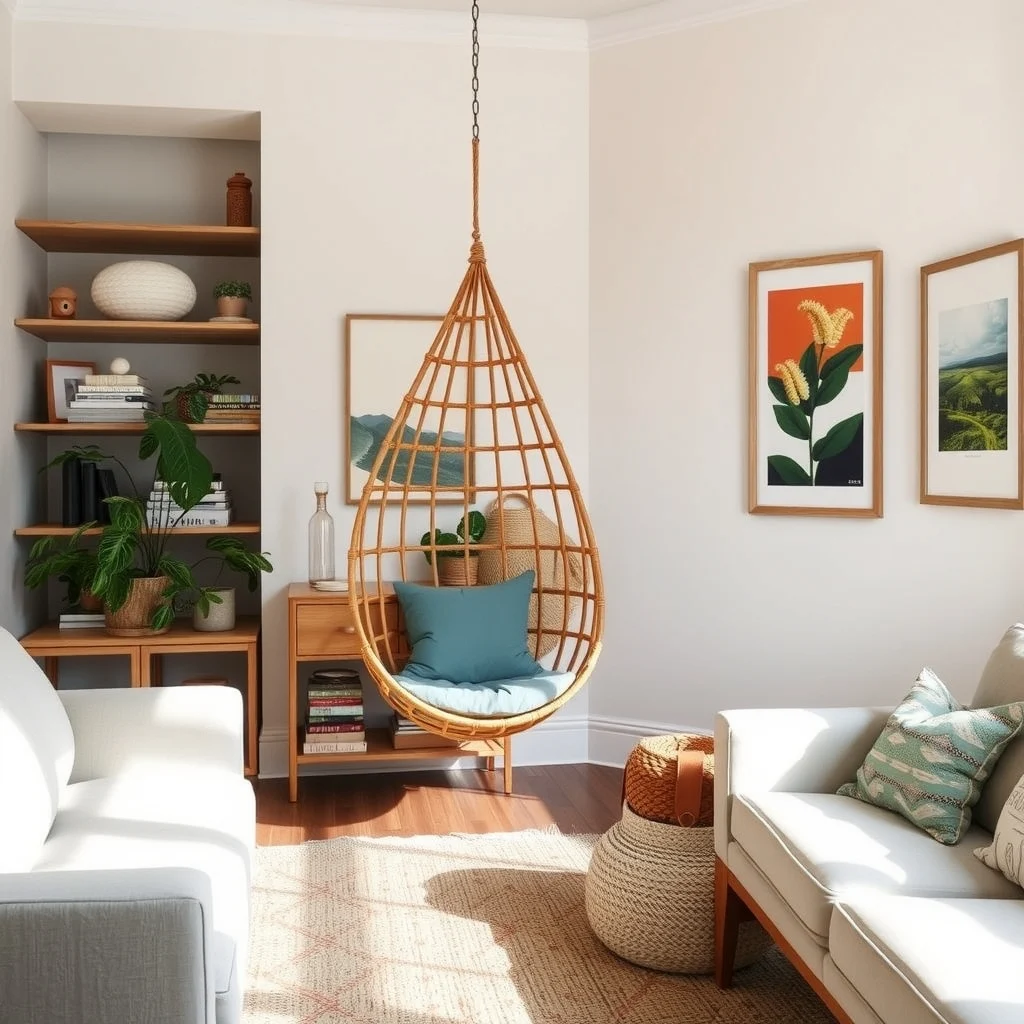
When floor space is at a premium, suspending a hanging chair from the ceiling can free up valuable square footage. Choose a chair with a woven rattan frame and a cushion in a muted teal cotton; the natural fibers complement most décor palettes while the color adds a quiet pop. Hang the chair over a small, low‑pile rug in a neutral sand shade, which defines the nook without overwhelming the room. A nearby floor lamp with an adjustable arm lets you direct light exactly where you need it, and a slim side table on a wall‑mounted bracket offers a place for a reading lamp or a cup of coffee. Ensure the ceiling joists can support the weight, and use a sturdy steel chain rather than rope for added safety.
5. Kitchen Alcove Turned Tea‑Corner Nook

Even the smallest kitchen can host a reading retreat if you look toward the pantry door or a narrow alcove beside the sink. Install a slim, backless bench with a cushion in a soft cream boucle; the textured fabric adds depth without clashing with the kitchen’s cabinetry. Above the bench, mount a small floating shelf painted in a muted sage green; this holds a few well‑chosen titles and a petite ceramic tea set. A pendant light with a warm amber shade hangs directly over the bench, casting a gentle glow that separates the nook from the rest of the kitchen’s brighter work zone. If the alcove is too shallow for a full bench, a sturdy wooden stool paired with a floor cushion can achieve a similar feeling of comfort.
6. Closet‑Conversion Reading Corner
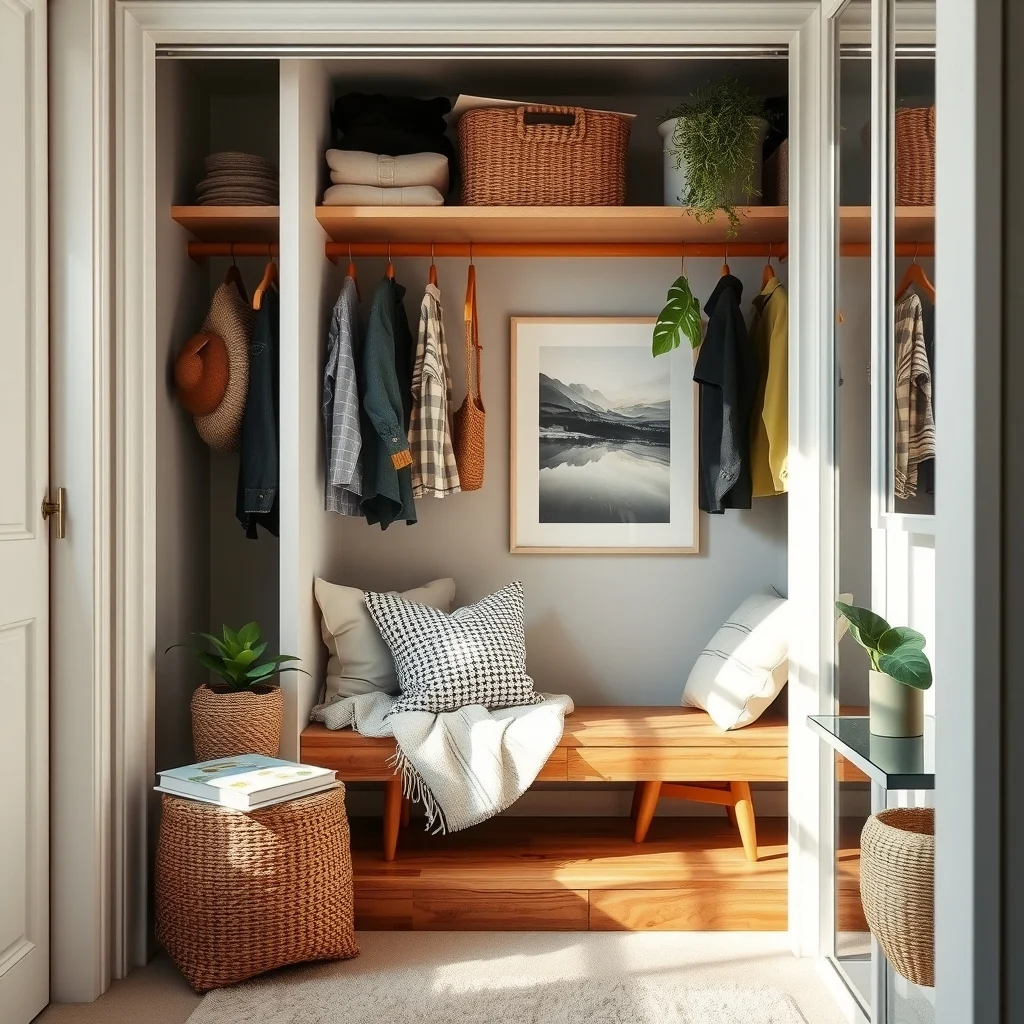
When a wardrobe outgrows its original purpose, converting part of it into a reading corner can be surprisingly rewarding. Remove one set of hanging rods and replace them with a low platform built from reclaimed pine, topped with a plush cushion in a dusty rose linen. The remaining closet doors can be left open, revealing a curated collection of books on simple wooden shelves that line the interior walls. Add a narrow wall‑mounted LED sconce that casts a soft, directed beam onto the cushion, creating a focused reading zone that feels separate from the rest of the room. If the closet depth is limited, a slim backless chair can be placed on the platform instead of a full cushion, preserving the intimate atmosphere.
7. Multi‑functional Ottoman with Hidden Storage

An ottoman that doubles as a storage chest offers a discreet way to keep books within arm’s reach while providing a comfortable seat. Choose an ottoman upholstered in a muted teal boucle; the subtle pattern adds interest without dominating the room’s color scheme. The top lifts to reveal a compartment spacious enough for several paperbacks and a pair of earbuds. Pair the ottoman with a narrow side table made from reclaimed walnut, and drape a lightweight cashmere throw in a warm caramel over the ottoman for added texture. A small table lamp with a fabric shade sits on the side table, delivering just enough light for late‑night reading. If you need more seating, a matching pouf placed nearby can expand the nook without crowding the floor.
FAQ

How do I choose the right lighting for a small reading nook?
Opt for layered lighting that combines ambient, task, and accent sources. A floor lamp or table lamp with a warm‑toned shade provides focused illumination, while a wall sconce or LED strip adds a soft background glow. This combination reduces eye strain without flooding the entire room with harsh light.
Can I create a reading nook in a studio apartment?
Yes, by using partitions such as a tall bookshelf or a folding screen to delineate the nook from the living area. Choose low‑profile furniture that can be moved easily, and keep the color palette cohesive to maintain a sense of openness.
What are budget‑friendly options for a cozy nook?
Look for second‑hand benches, thrift‑store cushions, and DIY shelving made from reclaimed wood. Painting existing furniture in a fresh hue can also revitalize a piece without a large expense.
Is it safe to hang a chair from the ceiling in a rented apartment?
Before installing a hanging chair, verify that the ceiling joists can support the weight and that the lease permits modifications. Using a portable floor‑to‑ceiling tension rod can provide a non‑permanent solution that avoids drilling.
How can I keep my nook tidy with limited storage?
Integrate storage into the seating itself—benches with drawers, ottomans with hidden compartments, or a narrow console that doubles as a bookshelf. Regularly rotating books and using decorative baskets for smaller items helps maintain a clutter‑free environment.
Final Thoughts

Creating a cozy reading nook in a small space is less about the amount of square footage you have and more about how you arrange the elements you already own. By thinking vertically, using multifunctional furniture, and paying attention to light and texture, you can carve out a personal sanctuary for books without sacrificing the rest of your home’s functionality. Whether you choose a window bench, an under‑stair hideaway, or a simple ottoman, the key is to make the space inviting, accessible, and reflective of your own style. With a little imagination, even the tiniest apartment can become a place where stories come alive.