
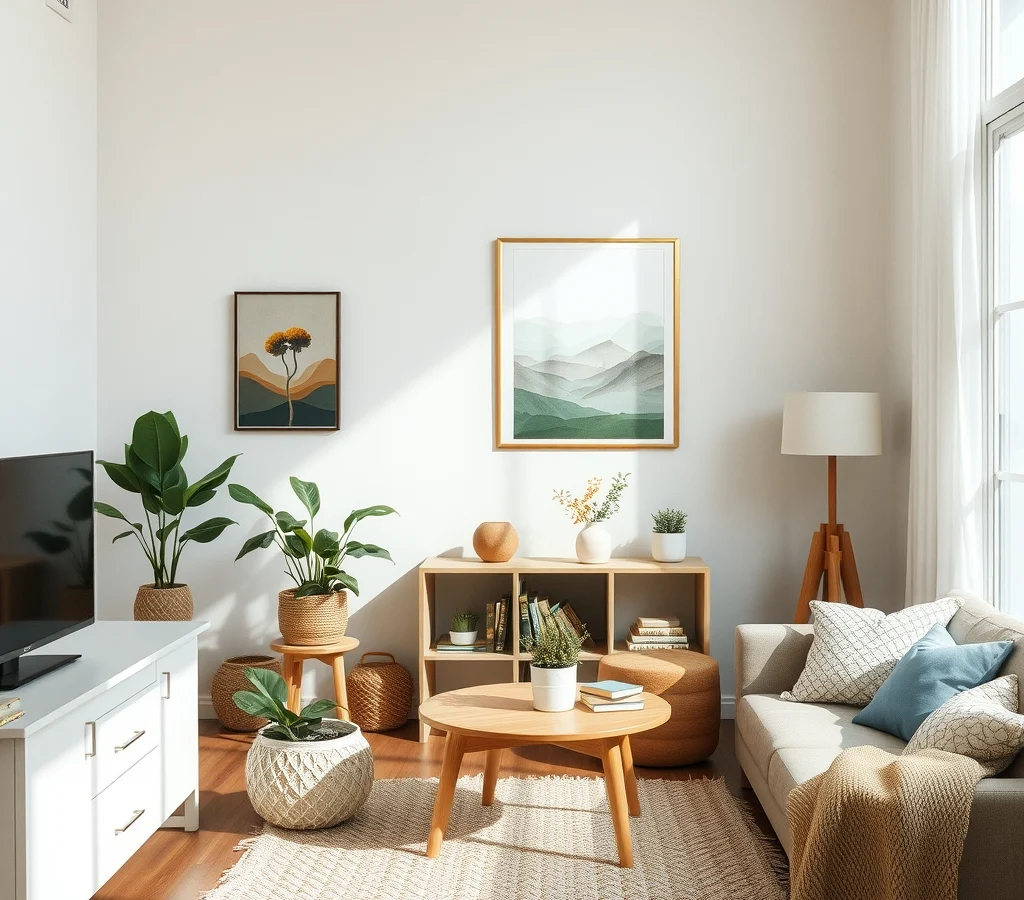
Finding fresh inspiration for a room doesn’t have to mean a trip to a high‑end showroom or a big budget. Often the most satisfying updates come from repurposing what’s already around you or picking up a few inexpensive supplies from a local craft store. Below are seven distinct projects that let you add personality, texture, and function to any space without breaking the bank. Each idea is explained in a way that lets you picture the finished look, understand why it works, and adapt it to your own home.
1. Reclaimed‑Pallet Coffee Table with a Painted Finish
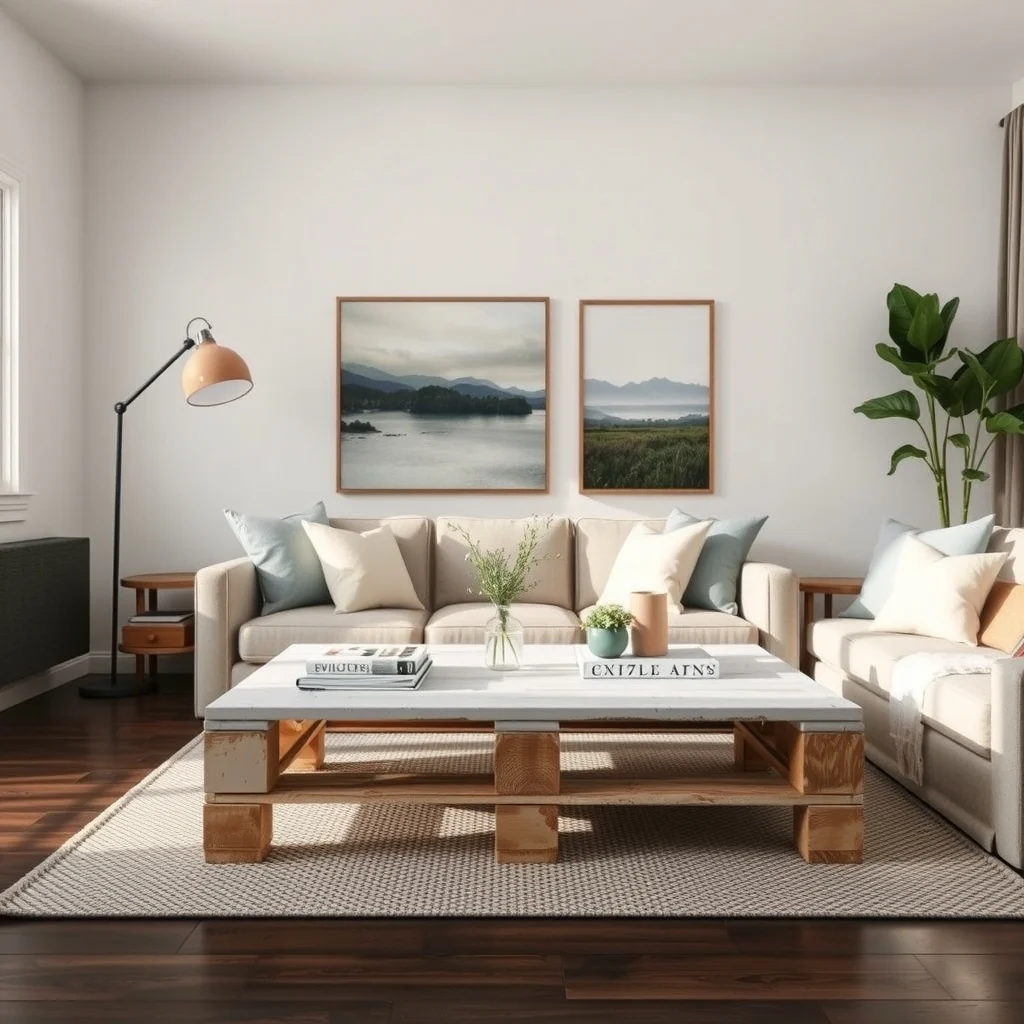
A simple coffee table built from a single wooden pallet instantly adds a rustic charm to a living room. After sanding the surface to remove rough edges, a coat of chalky white paint creates a soft backdrop that brightens the space. The paint’s matte texture invites you to place a woven coaster or a small potted succulent on top, adding a layer of natural greenery. A pair of hairpin legs, often found for under $10, lift the table just enough to reveal the floor, making cleaning easier and giving the room a breezier feel. If the pallet’s dimensions feel too large for a compact area, trimming the board to a narrower rectangle or using two smaller pallets side by side works just as well. The finished piece feels sturdy yet light, perfect for a casual seating arrangement where you want a functional centerpiece without a heavy visual load.
2. Fabric‑Wrapped Canvas Wall Art from Thrifted Frames
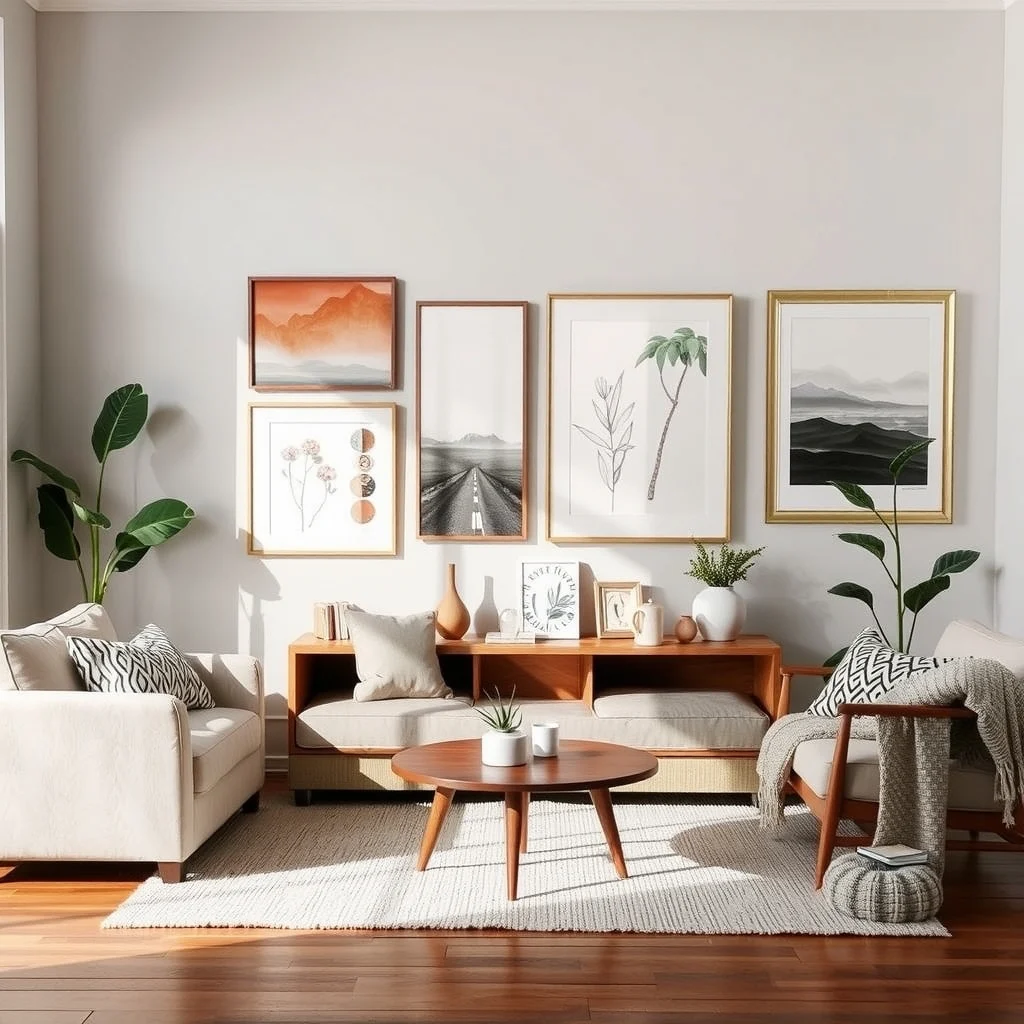
Large, empty walls can feel intimidating, but a series of fabric‑wrapped canvases turns them into a curated gallery. Start with inexpensive wooden frames sourced from a thrift store, remove any glass, and stretch a piece of linen or cotton fabric over the inner panel. The fabric’s natural drape softens the room’s edges, while a muted shade—such as warm greige or soft sage—creates a calm backdrop for other décor. Once the fabric is taut, staple it neatly at the back and reassemble the frame. Hanging three to five of these pieces at varying heights adds visual interest without overwhelming the space. If you lack a sewing needle, a simple staple gun does the job. For a more eclectic look, mix fabrics of different textures—like a smooth cotton with a subtle boucle—while keeping the color palette cohesive. The result feels handcrafted and invites guests to linger, making the wall a quiet focal point.
3. Floating Shelves from Reclaimed Wood and Simple Brackets
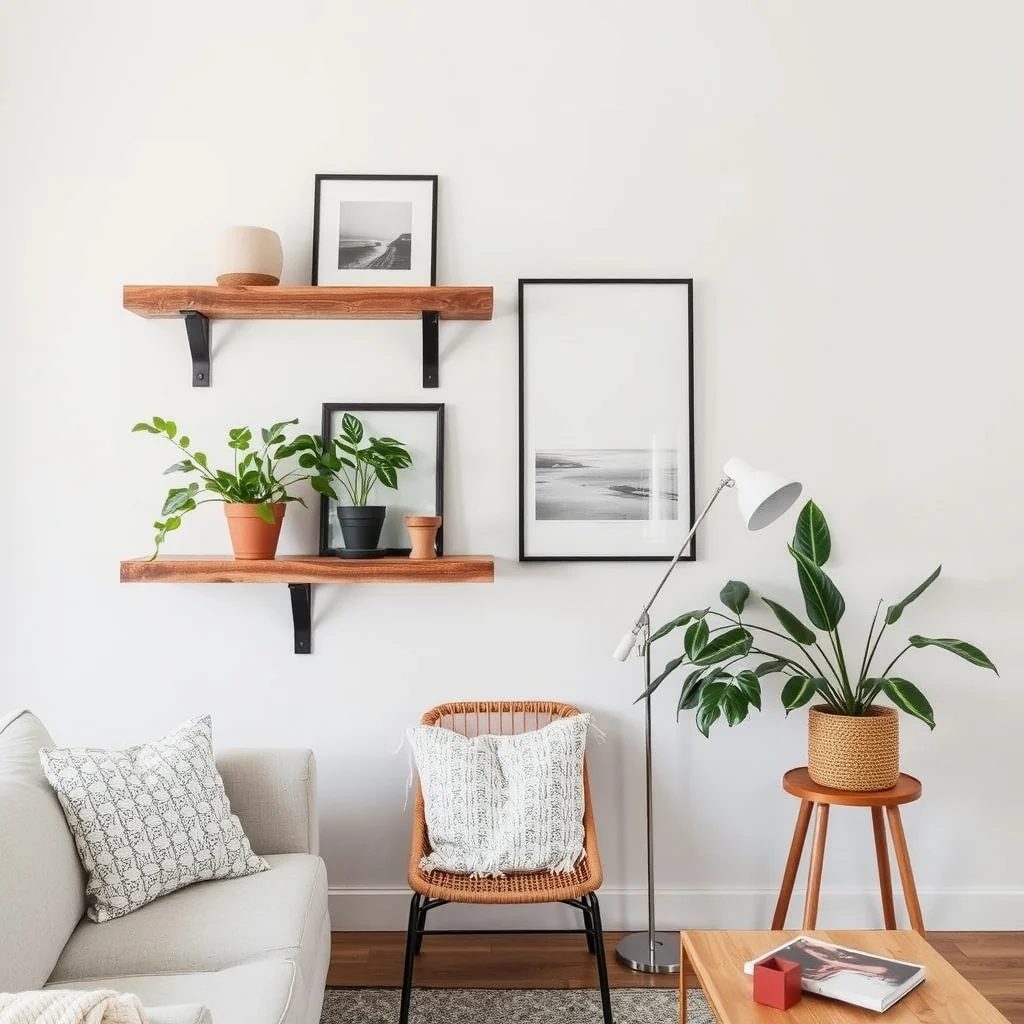
Floating shelves are a favorite for displaying books, plants, or curated collections, and they can be built for a fraction of the price of store‑bought options. Locate a piece of reclaimed barn wood or a pallet board with an interesting grain; its weathered look adds depth to a kitchen, hallway, or bedroom. Cut the board to the desired length, sand the edges, and apply a clear sealant to protect against moisture. Brackets made from metal L‑shapes, available at most hardware stores, provide sturdy support while remaining discreet. Position the brackets so they’re hidden behind the shelf, creating the illusion that the wood is hovering. If the wall is plaster rather than studs, consider using toggle bolts for a secure mount. Adding a small potted herb or a stack of vintage books on the shelf introduces layers of texture and function, turning a simple storage solution into a decorative statement.
4. LED Mason‑Jar Pendant Lights for a Cozy Nook
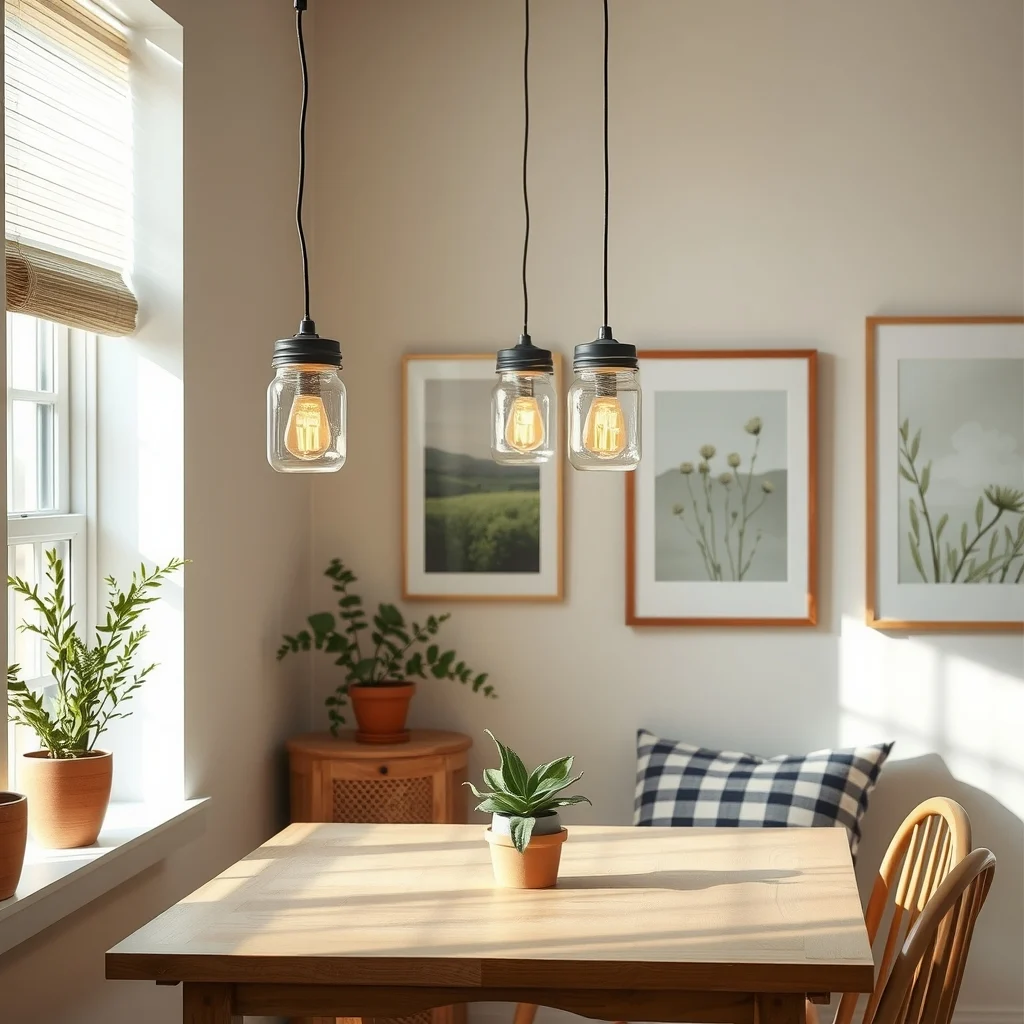
Soft, ambient lighting can transform a reading corner or kitchen island, and mason‑jar pendants achieve this with minimal expense. Begin with a set of clear glass jars, each paired with a small LED puck light that plugs into a standard outlet. The LED’s low heat output makes it safe for enclosed glass, while the warm glow mimics the feel of a vintage bulb. Attach a short length of natural rope or jute twine to the jar’s metal lid, then suspend the assembly from a simple ceiling hook. For a cohesive look, use matching jars at varying heights, allowing the light to cascade gently across the space. If you prefer a more industrial vibe, replace the rope with a thin metal chain. Always ensure the electrical cord is rated for indoor use and that the connection follows the manufacturer’s instructions; when in doubt, consult an electrician. The finished lighting cluster feels inviting and adds a handcrafted touch without requiring complex wiring.
5. Chalkboard Paint Accent Wall in a Home Office
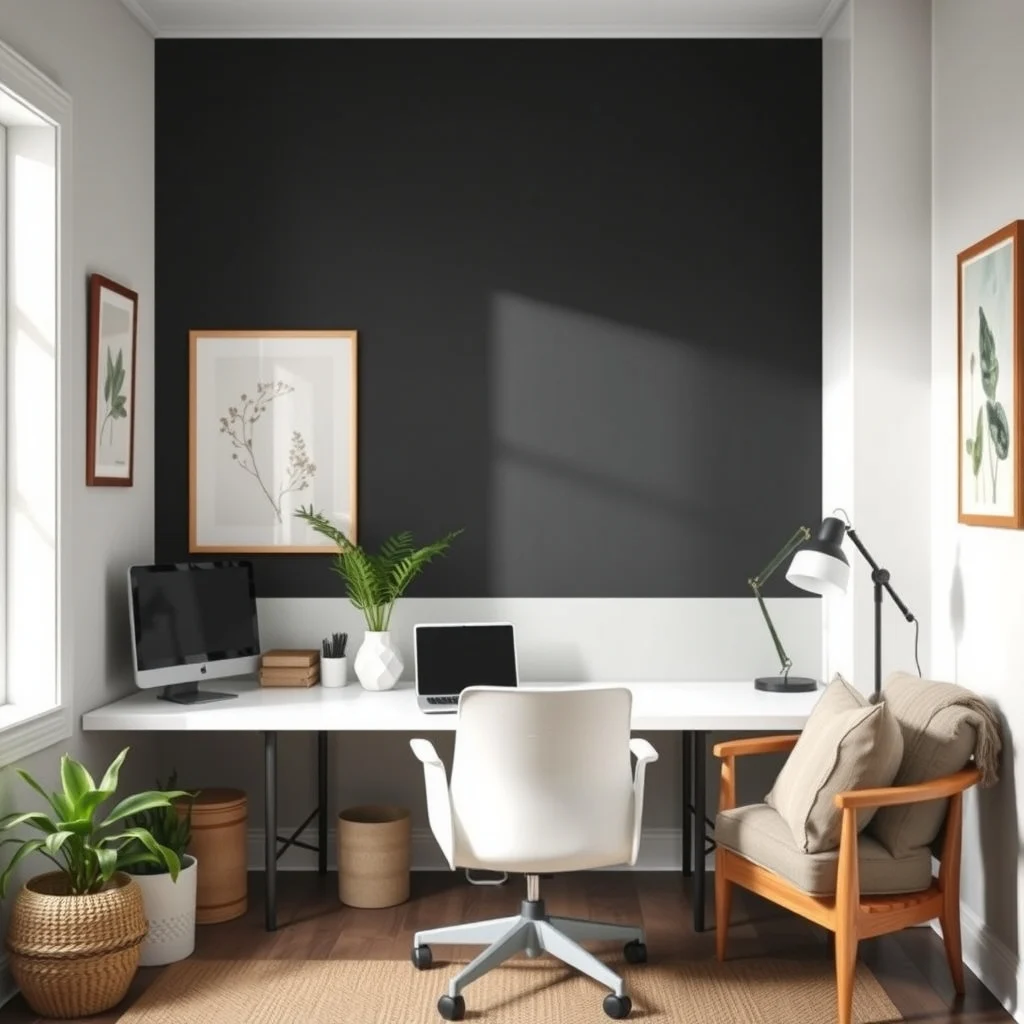
Turning one wall into a chalkboard surface offers both practicality and visual intrigue, especially in a home office where ideas flow constantly. Apply a coat of matte chalkboard paint to a smooth wall, allowing it to dry fully before adding a second layer for even coverage. The deep charcoal tone provides a striking contrast to white or pastel stationery, making notes and sketches pop. Frame the space with a simple wooden molding or a thin strip of reclaimed trim to give the wall a defined edge. When the board fills up, a quick wipe with a damp cloth restores its surface, encouraging a habit of regular brainstorming. If the room already has a bold color, consider a smaller section—perhaps a vertical strip behind the desk—rather than the entire wall. This approach balances the creative energy of a chalkboard with the existing décor, keeping the room from feeling overly busy.
6. Rope‑Wrapped Glass Vases for Entryway Greenery
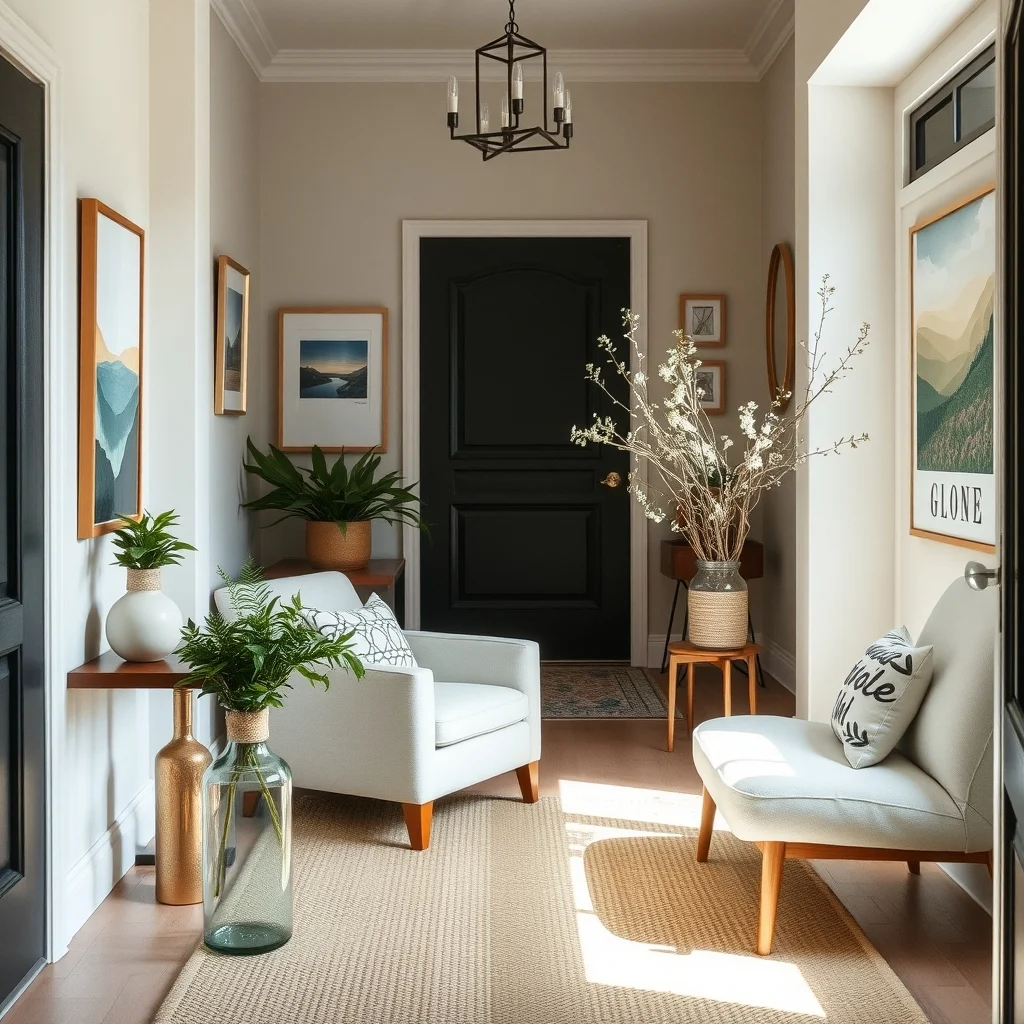
Adding a touch of nature to an entryway can soften the first impression of a home, and rope‑wrapped glass vases achieve this with a tactile element. Choose clear glass bottles or jars of varying heights, then tightly coil natural jute rope around each, securing the ends with a dab of clear-drying glue. The rope introduces an organic texture that complements the smooth glass, while the varying heights create a gentle rhythm along a console table or windowsill. Fill the vases with fresh cut stems, dried eucalyptus, or even a single large succulent for low‑maintenance greenery. If you’re concerned about the rope slipping, a thin layer of spray adhesive can add extra grip without altering the look. The finished arrangement feels welcoming and adds a subtle decorative layer without requiring expensive floral arrangements.
7. Magazine‑Page Collage Table Runner for the Dining Table
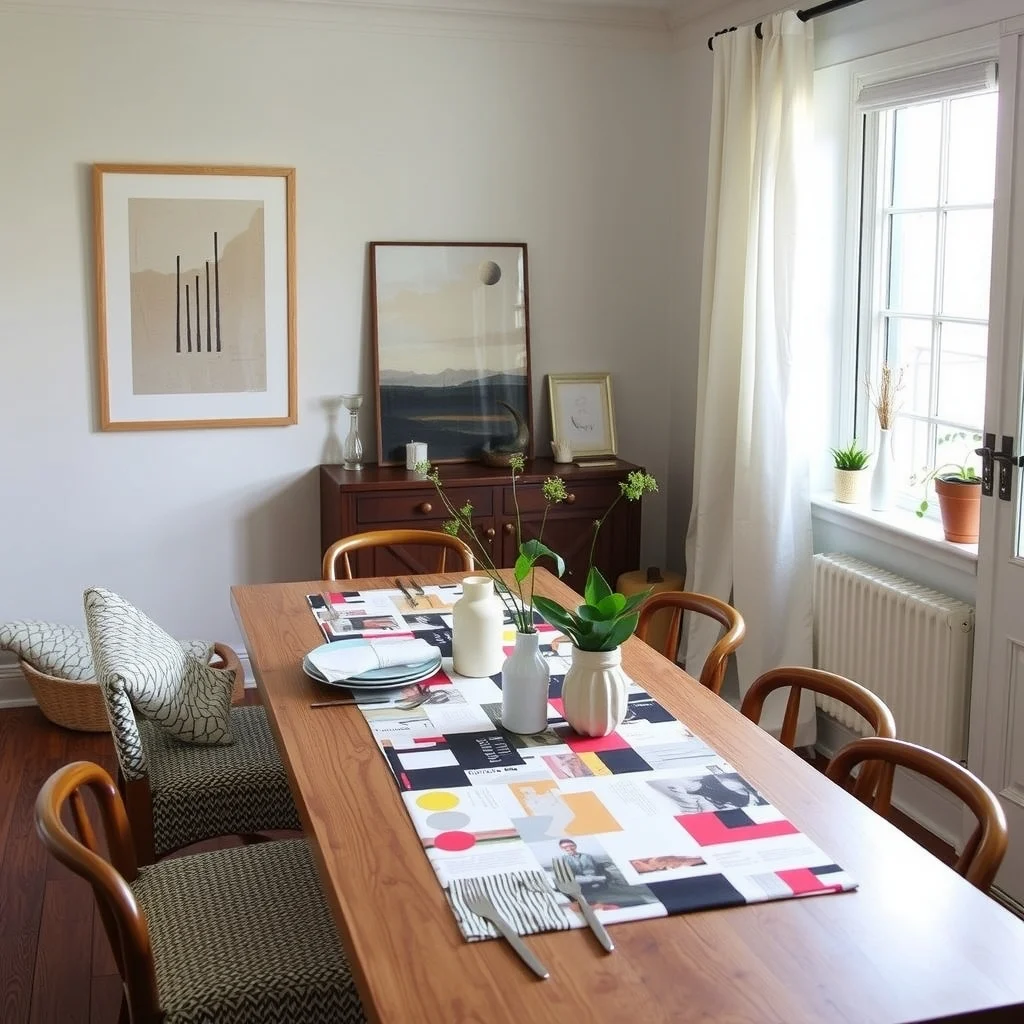
A table runner made from collaged magazine pages offers a colorful, ever‑changing centerpiece that’s both decorative and conversation‑worthy. Gather old magazines with pages that feature patterns you love—geometric prints, botanical illustrations, or abstract art. Cut the pages into uniform strips and arrange them in a mosaic on a piece of plain cotton fabric, overlapping slightly for a seamless appearance. Once you’re satisfied with the layout, use a fabric‑friendly adhesive to secure each strip. The runner can be rolled up and stored when not in use, making it a flexible option for holidays or special meals. If the fabric feels too thin for daily wear, a lightweight canvas provides durability while still allowing the collage to shine. The result is a personalized accent that adds visual interest without the cost of a new tablecloth.
FAQ
How do I choose the right paint finish for DIY projects?
A matte or chalky finish works well for surfaces you want to keep low‑key, while a semi‑gloss adds durability to high‑traffic areas. Consider the room’s lighting and the amount of wear the piece will receive.
Can I use reclaimed wood outdoors?
Reclaimed wood can be used outdoors if you treat it with a weather‑proof sealant. Without proper protection, the wood may warp or develop mildew over time.
What’s the safest way to hang pendant lights?
Follow the manufacturer’s wiring instructions and use a ceiling hook rated for the light’s weight. If you’re unsure about the electrical work, hiring a qualified electrician is the safest option.
How often should I clean a chalkboard wall?
A quick wipe with a damp cloth removes most marks, and a deeper clean with a chalkboard cleaner once a month keeps the surface bright. Avoid abrasive cleaners that could damage the paint.
Are rope‑wrapped vases stable on uneven surfaces?
Place a small rubber mat or felt pad under each vase to prevent slipping on uneven floors. The mat also protects the surface from scratches.
Final Thoughts
Creating a fresh look for your home doesn’t require a hefty budget; it often begins with a willingness to look at everyday items through a new lens. By repurposing pallets, thrifted frames, reclaimed wood, and simple household supplies, you can craft pieces that feel intentional and tailored to your style. Each of the seven projects above demonstrates how a modest investment—whether in paint, rope, or LED lights—can yield a room that feels thoughtfully designed. As you experiment, remember that the most satisfying spaces are those that reflect your personal taste while remaining functional. Happy making, and may your home become a gallery of your own affordable creativity.