
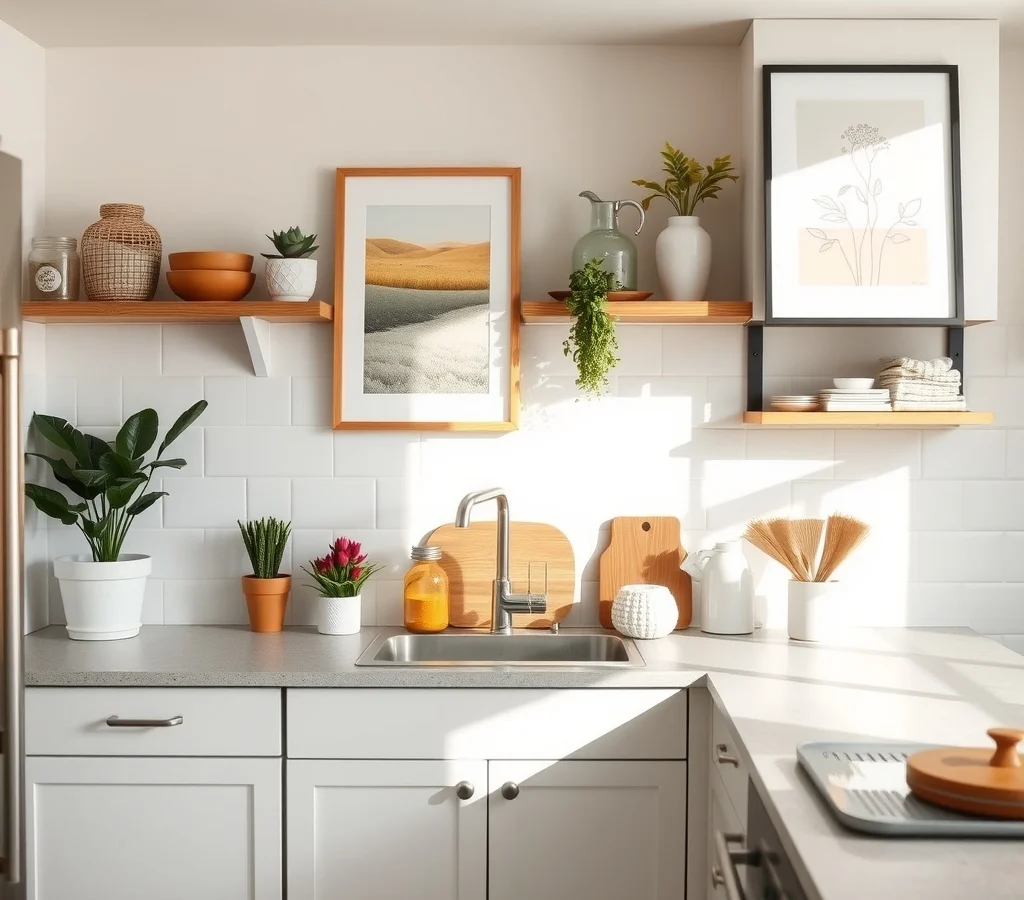
Living in a compact rental often means every square inch is contested territory, and the space beneath the sink is no exception. It’s a spot that can quickly become a catch‑all for cleaning supplies, food containers, and the occasional stray gadget, turning an otherwise tidy kitchen into a visual and functional obstacle. The good news is that with a few thoughtful tweaks you can transform that cramped nook into a sleek, accessible hub without violating lease restrictions. Below are seven distinct approaches, each designed to fit the realities of a small rental while still feeling purposeful and polished.
1. Pull‑Out Sliding Bins for Hidden Stash
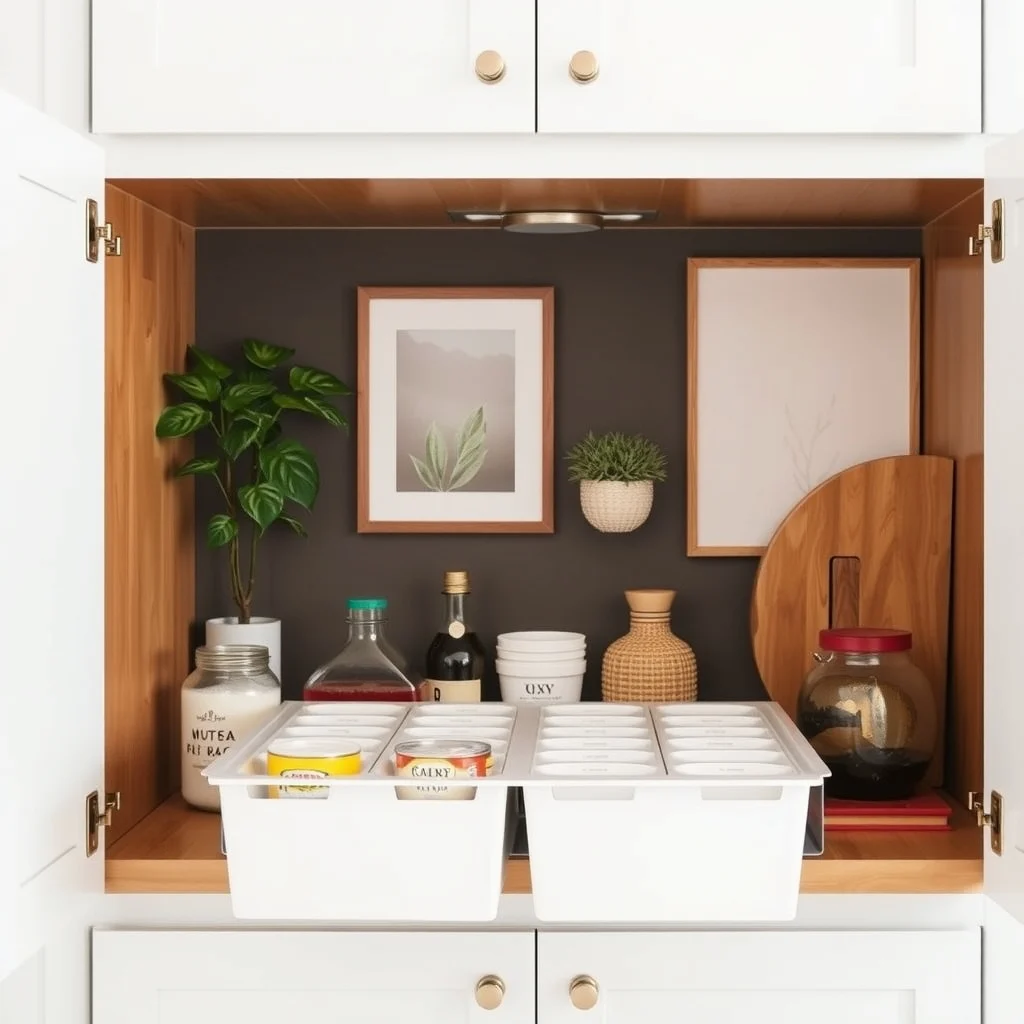
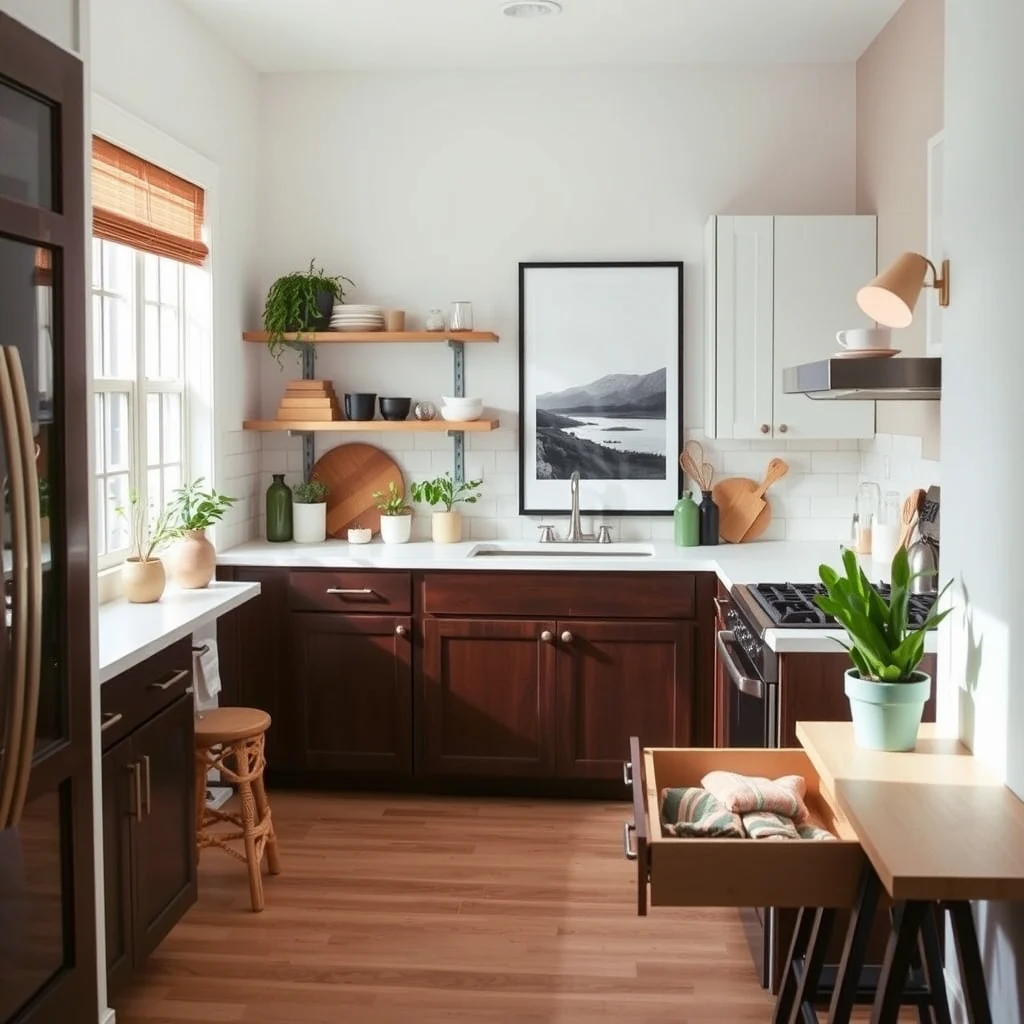
Imagine opening a shallow drawer that slides out on low‑friction runners, revealing a row of slim, stackable bins. The bins, made of clear acrylic or matte white plastic, sit snugly against the cabinet wall, keeping sponges, dish‑washing liquid, and recycling bags out of sight. Because the drawer slides forward, you never have to crouch or reach into a dark corner; everything is visible at eye level. The simplicity of the system works well in kitchens where the cabinet depth is limited, and the clear material adds a subtle sense of order without demanding a visual commitment. If the rental doesn’t allow permanent hardware, adhesive‑backed runners are a viable alternative, though they may need replacement when you move. This solution thrives in studios or one‑bedroom apartments where the sink sits against a wall and the cabinet depth is under twelve inches.
2. Adjustable Tension Rods for Customizable Height
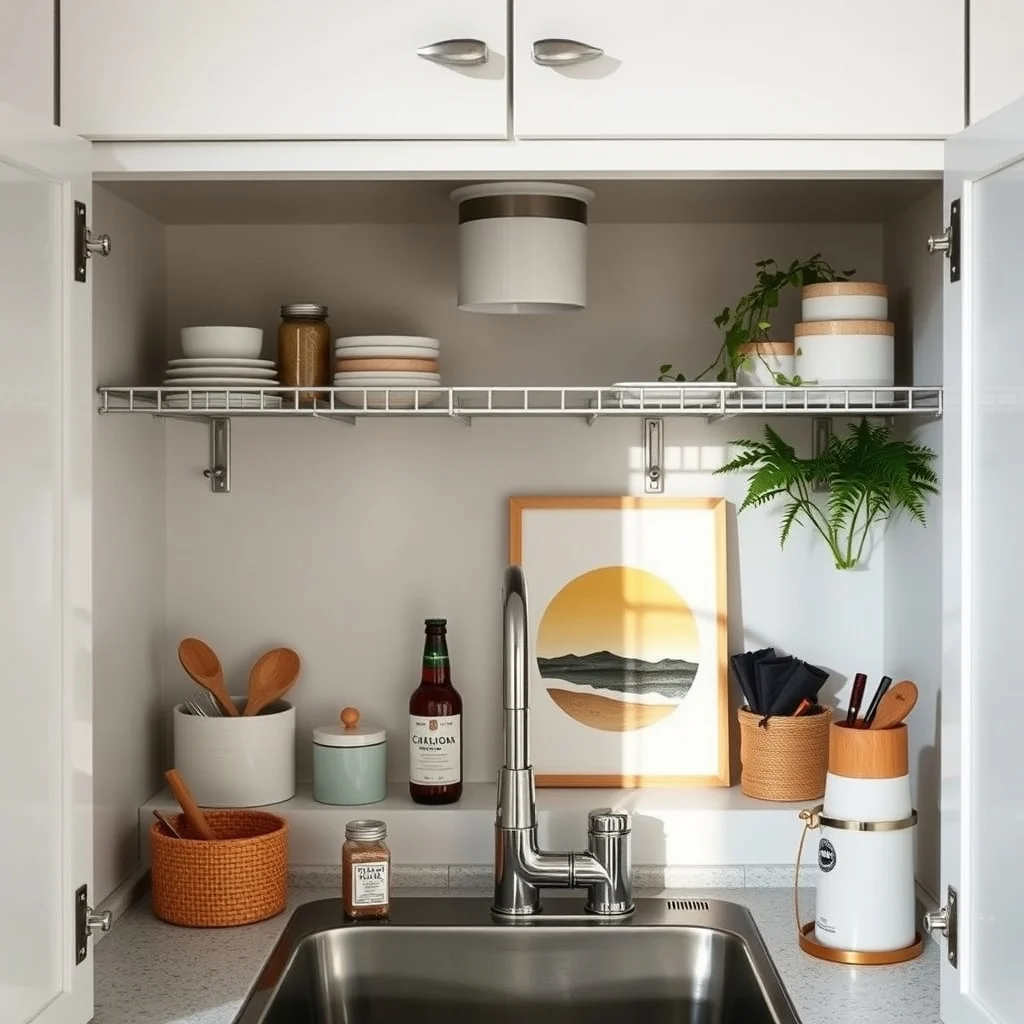
A pair of tension rods installed vertically inside the cabinet can create a makeshift shelving system that adapts as your needs change. By sliding the top rod up or down, you can accommodate taller bottles on the lower shelf while still leaving room for a small trash bin beneath. The rods are coated in brushed nickel, which catches a glimpse of the kitchen’s other metal accents, such as faucet handles, without clashing. Because tension rods require no drilling, they’re perfect for renters wary of leaving marks. The trade‑off is that they support lighter items; heavy cleaning chemicals should stay on the floor or a sturdier shelf. This approach shines in kitchens where the under‑sink cabinet is deeper than usual, giving you the freedom to reconfigure storage without any permanent alteration.
3. Tiered Wire Baskets with a Pull‑Out Base
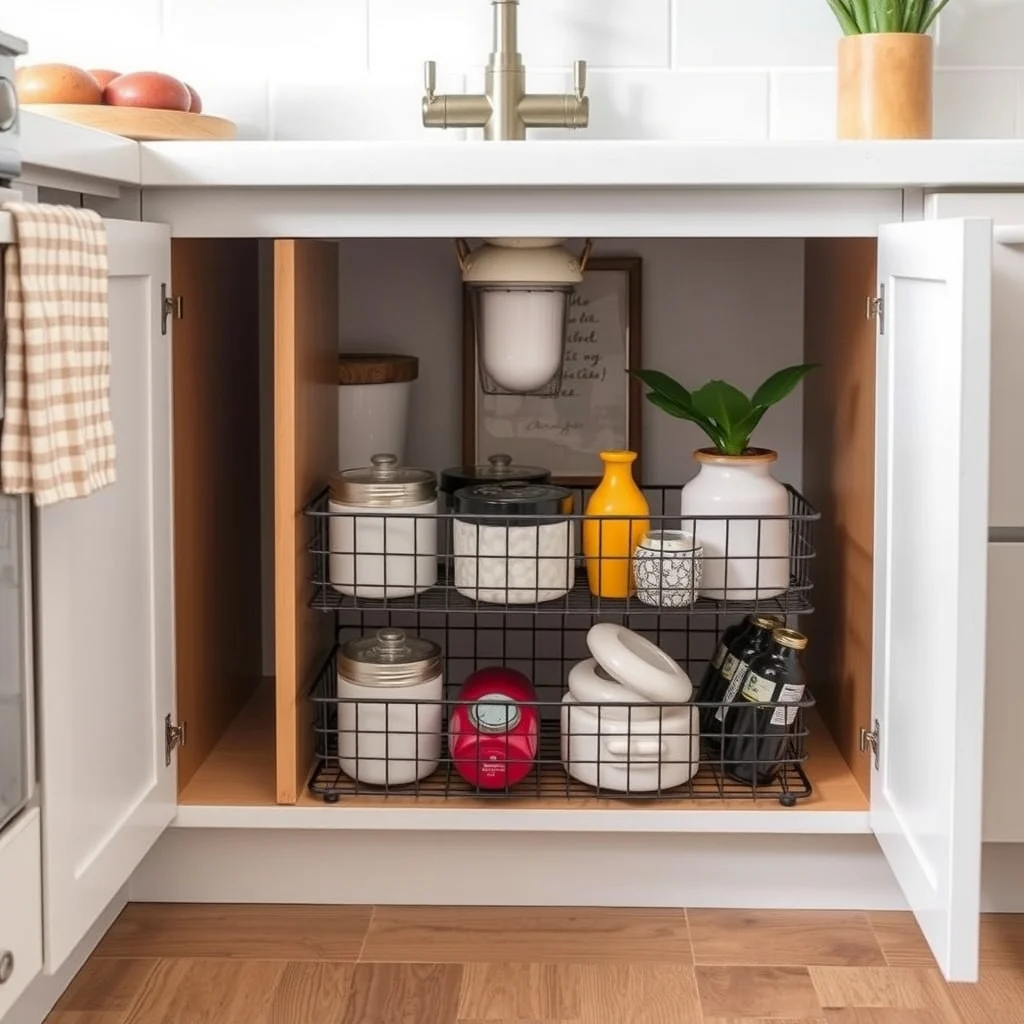
A narrow pull‑out base fitted with a set of three wire baskets offers a tiered display that keeps everyday items within easy reach. The baskets, finished in a soft black powder coat, hold everything from reusable grocery bags to zip‑top containers. Their open weave allows light to filter through, preventing the space from feeling boxed in. The pull‑out action reveals the baskets gradually, so you can see what you need without rummaging. If the cabinet width is too tight for a full‑size base, a half‑size version still provides the tiered effect and can be paired with a simple wooden insert to protect the cabinet floor. This design works particularly well in kitchens with a light color palette, as the dark baskets become a subtle accent rather than a visual burden.
4. Magnetic Strip for Metal Tools and Containers
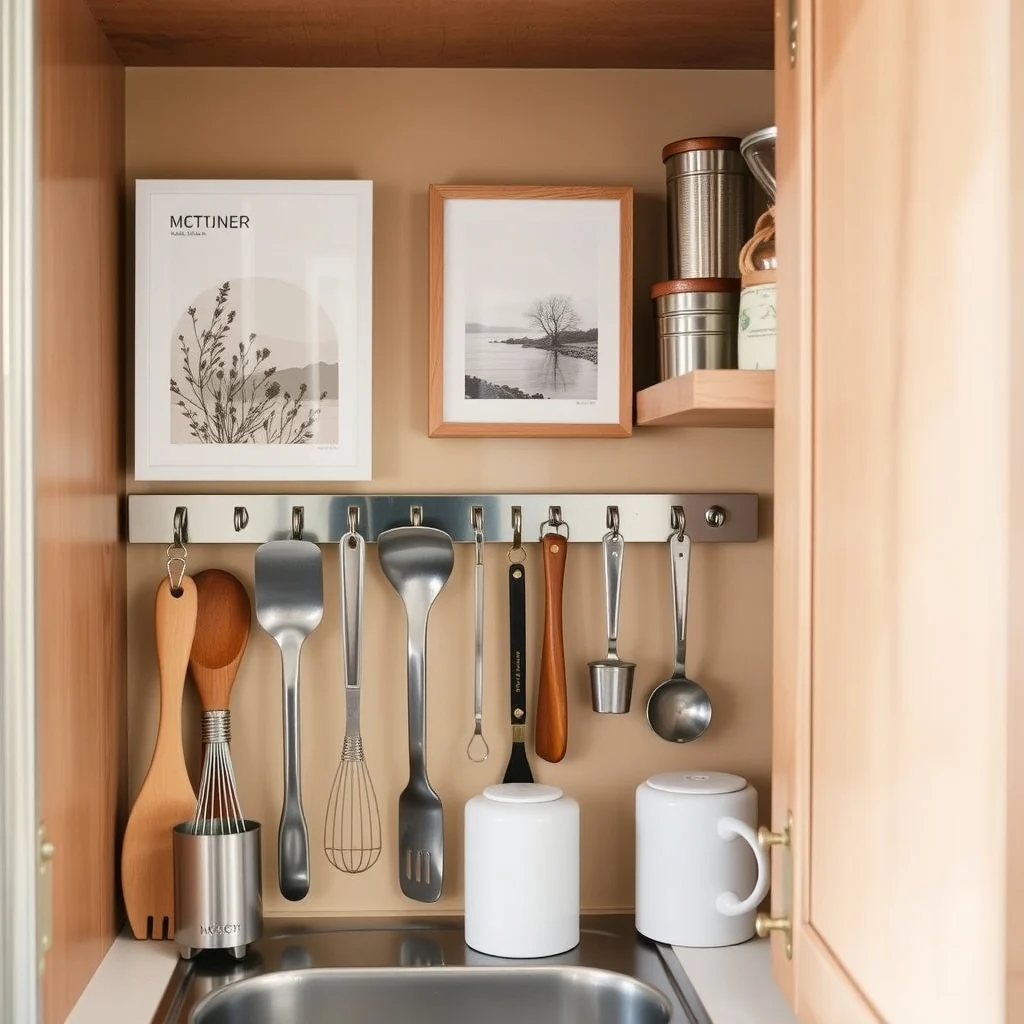
Affixing a slim magnetic strip to the interior side of the cabinet door turns the space into a convenient hanging gallery for metal kitchen tools. Stainless‑steel spatulas, a set of small metal containers for spices, and even a compact bottle of dish soap with a metal cap cling securely, freeing up floor space. The strip, finished in brushed steel, mirrors the kitchen’s hardware and adds a modern touch without intruding on the cabinet’s interior volume. Because the strip requires only a few screws, it’s a renter‑friendly addition that can be removed cleanly. The limitation lies in its reliance on magnetic items; plastic bottles or wooden utensils won’t benefit. This idea is ideal for renters who prefer a minimalist look and enjoy the tactile satisfaction of grabbing a tool directly from the door.
5. Fold‑Down Shelf with a Soft‑Close Hinge
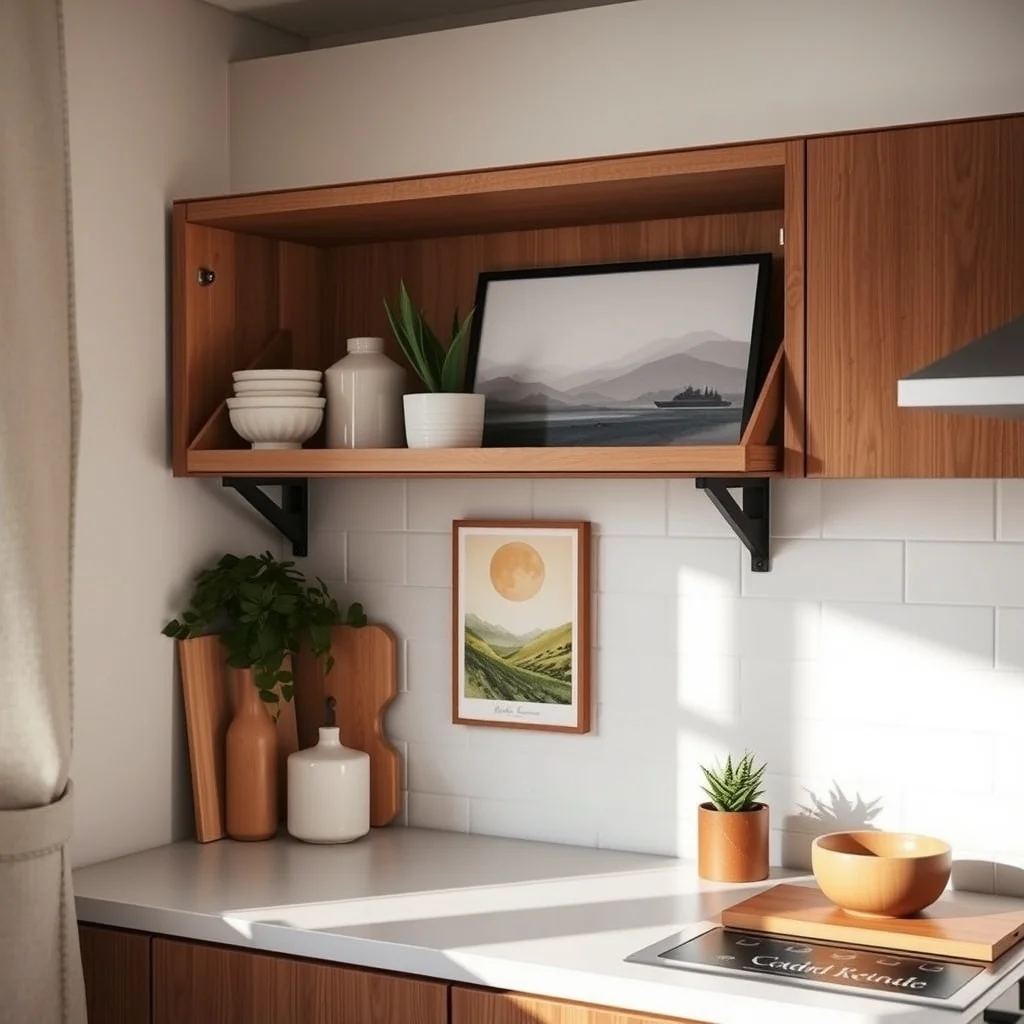
Installing a lightweight fold‑down shelf that hinges onto the cabinet wall creates a temporary work surface for sorting recyclables or prepping a quick snack. When not in use, the shelf tucks away flat, preserving the narrow profile of the cabinet. The soft‑close hinge, often found on modern cabinet doors, ensures the shelf lowers gently, reducing noise in a small apartment. Finished in a warm walnut veneer, the shelf echoes the kitchen’s countertop tone, weaving continuity through the space. If drilling is prohibited, a tension‑mounted bracket can hold the shelf securely, though it may not be as seamless. This solution excels in kitchens where the sink is positioned near a wall that receives natural light, allowing the folded shelf to catch a glimmer of sunshine when opened.
6. Clear Stackable Containers with Lids
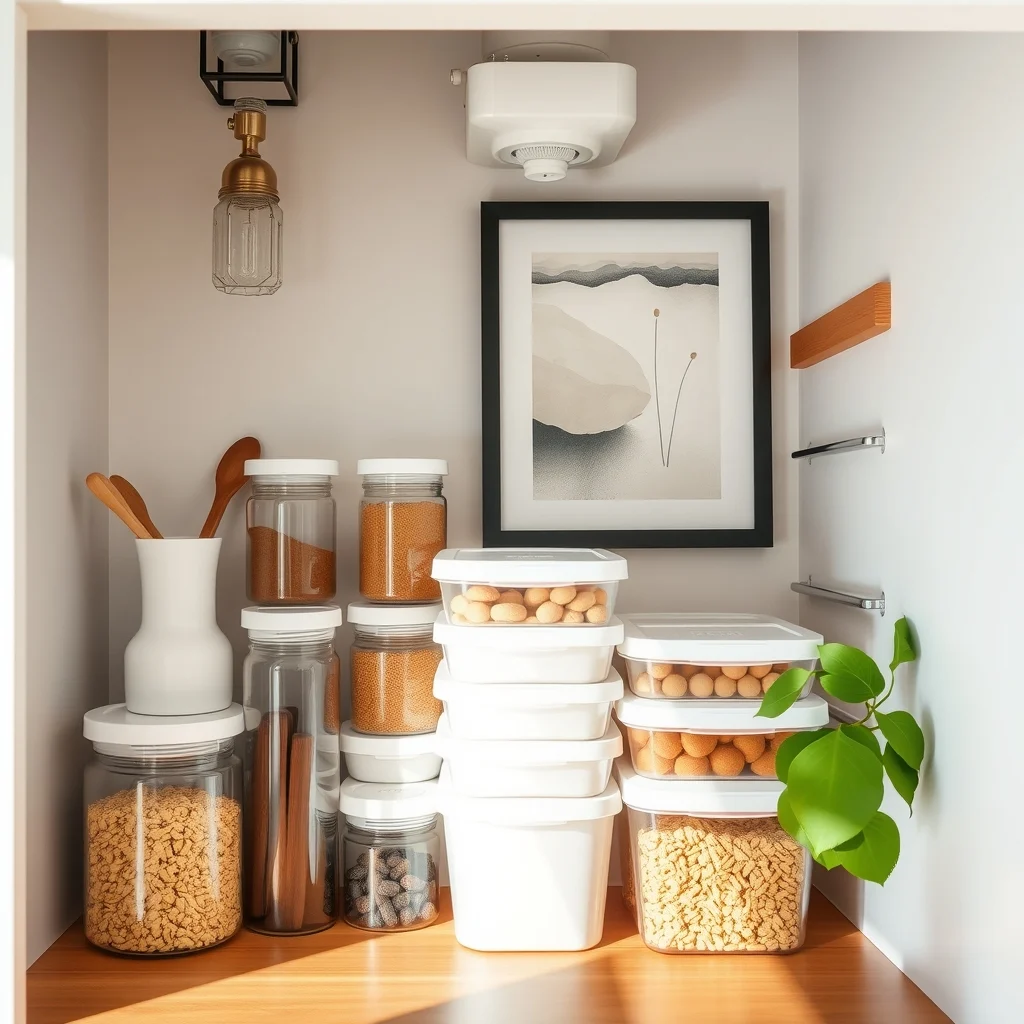
Replacing a jumble of miscellaneous jars with a set of uniform, clear stackable containers brings visual calm and practical efficiency. The containers, made from BPA‑free Tritan, nest neatly, allowing you to store bulk items like flour, sugar, or paper towels without sacrificing height. Their transparent walls let you see contents at a glance, reducing the need to pull everything out to locate a specific item. A small silicone ring on each lid prevents slipping, which is helpful on a cabinet floor that can become slick when cleaning. The only consideration is that the containers add a modest weight, so placing them on a reinforced base or a sturdy pull‑out drawer is advisable. This approach is especially suited to renters who appreciate a clean, cohesive look and enjoy the convenience of quick visual inventory.
7. Recessed LED Light Strip for Visibility
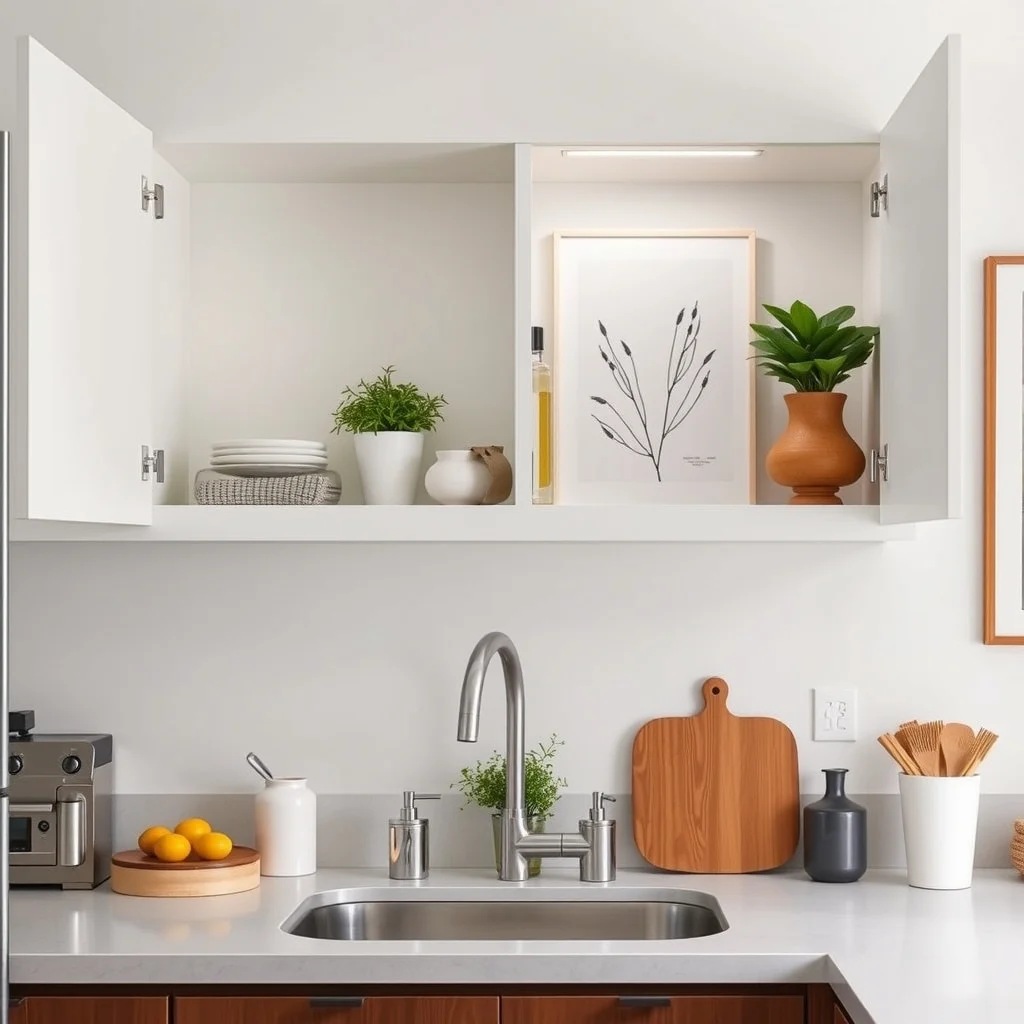
Adding a low‑profile LED light strip along the inner top edge of the cabinet brightens the often‑overlooked under‑sink area. The strip, powered by a plug‑in adapter that can be tucked behind the cabinet door, emits a soft, warm glow that highlights stored items without overwhelming the kitchen’s ambient lighting. Because the LEDs are dimmable, you can adjust brightness for tasks like reading labels or simply enjoy a gentle illumination that makes the space feel larger. Installation involves a few adhesive tabs, which are easy to remove when you move. The downside is the need for an accessible power outlet nearby; if none exists, a battery‑operated version can be a workaround. This subtle lighting upgrade works well in darker kitchens where the sink cabinet sits beneath a window, creating a balanced interplay of natural and artificial light.
FAQ
How can I install pull‑out drawers without drilling?
You can use adhesive‑backed runners designed for temporary installations; they hold the drawer securely yet can be removed cleanly when you vacate the rental.
What’s the best material for under‑sink containers to avoid mold?
Non‑porous plastics such as Tritan or acrylic resist moisture buildup, making them less prone to mold compared to cardboard or fabric bins.
Can magnetic strips hold heavy items like large metal bottles?
Magnetic strips are best for lightweight metal tools; heavier items should be stored on shelves or in baskets to avoid strain on the magnets.
Is it safe to run an LED light strip near water?
Choose a strip with an IP rating of at least IP20, which protects against accidental splashes; always keep the power source away from direct water exposure.
Do tension rods affect the cabinet’s structural integrity?
Tension rods exert only modest pressure and are unlikely to damage the cabinet, but avoid over‑tightening to preserve the wood or laminate finish.
Final Thoughts

Organizing the under‑sink area in a small rental doesn’t have to mean sacrificing style or practicality. By selecting solutions that respect lease constraints—whether they’re pull‑out drawers, adjustable rods, magnetic accessories, or subtle lighting—you can craft a tidy, functional nook that feels intentional rather than improvised. Each of the seven ideas offers a different balance of visibility, accessibility, and aesthetic harmony, allowing you to tailor the space to your daily rhythm. The key is to start with a clear sense of what you need most—be it quick‑grab cleaning supplies, hidden storage, or a little extra light—and then choose the approach that aligns with your kitchen’s layout and your personal preferences. With a little creativity, the under‑sink area can become a quiet strength of your small‑rental kitchen, proving that even the most modest spaces hold the potential for thoughtful design.
1 thought on “Under‑sink Kitchen Organization Ideas for Small Rentals”
Comments are closed.