

Finding a balance between the sleek confidence of modern interiors and the glamorous geometry of Art Deco can feel like walking a tightrope. The two styles share a love of clean lines, but their moods differ—one leans toward understated minimalism, the other toward bold ornament. Below are seven room‑by‑room ideas that show how you can let the two aesthetics converse without one drowning out the other. Each concept offers a complete vision and practical ways to adapt it to the space you have.
1. Living Room with a Geometric Focal Wall
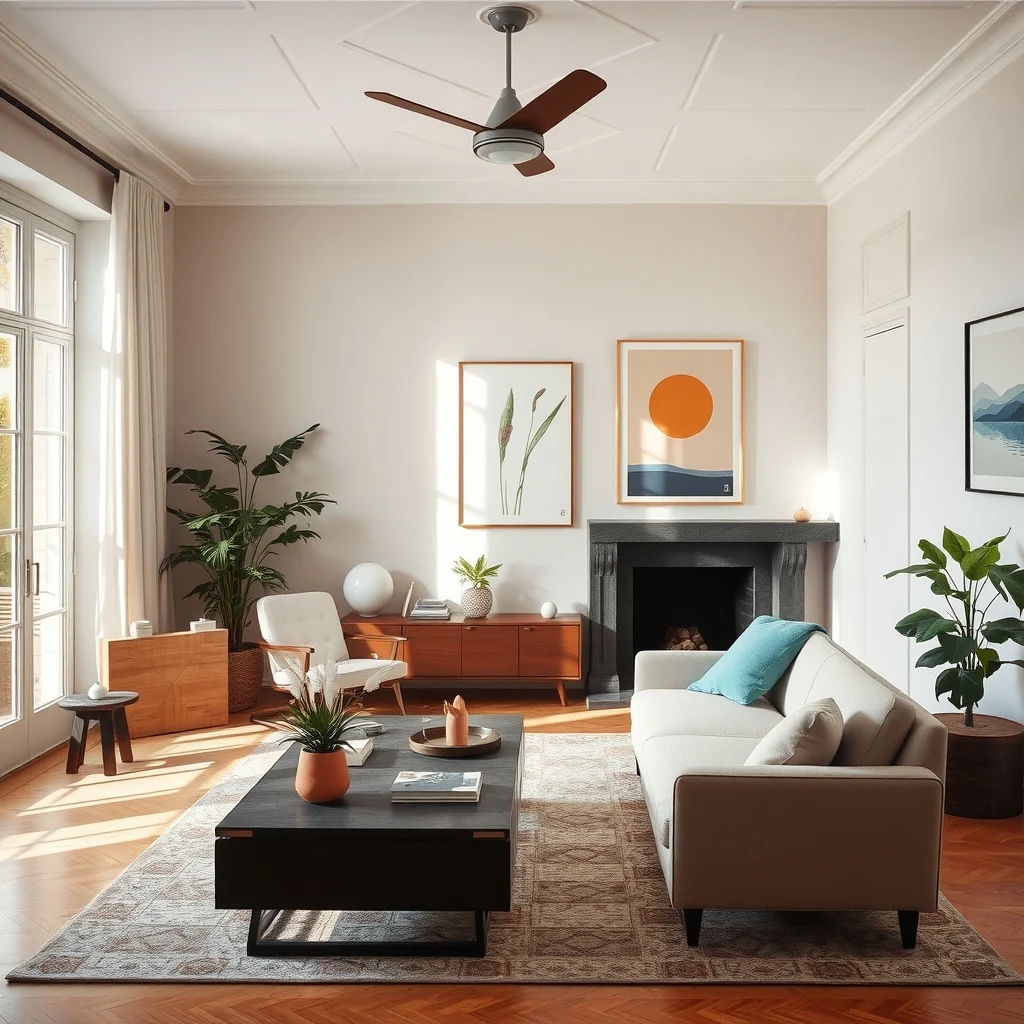
The first impression of a living room often comes from the wall that anchors the seating area. A low‑gloss, deep navy paint creates a modern backdrop, while a large, gold‑leafed, chevron pattern applied to just one panel introduces Art Deco drama. A streamlined sofa in soft greige linen sits opposite the wall, its legs tapered in brushed brass to echo the metallic accents of the pattern. A pair of slim, walnut side tables with rounded corners provide surface space without competing with the wall’s geometry. A single, oversized floor lamp with a matte black shade offers task lighting, its clean silhouette keeping the overall feel contemporary. A few decorative objects—perhaps a black-and-white photograph in a thin silver frame and a small bronze sculpture—add personality without clutter. If the chevron feels too bold, a subtler herringbone wallpaper in muted taupe can achieve the same dialogue between eras while staying more forgiving for high‑traffic families.
2. Bedroom That Marries Luxe Textiles with Minimal Silhouettes

In a bedroom, comfort takes precedence, yet the room can still whisper Art Deco through its textiles. Start with a platform bed finished in warm, honey‑toned oak; its low profile is unmistakably modern. Dress the headboard with a tufted velvet in a deep emerald hue—this plush material recalls the opulence of the 1920s. Flanking the bed, two nightstands in polished chrome with simple rectangular tops keep the space feeling airy. A pair of floor‑standing lamps with frosted glass shades provide soft illumination, their rounded forms echoing the era’s love of curves. Layer the floor with a hand‑woven rug that features a subtle, repeating sunburst motif in ivory and charcoal; the pattern adds visual interest without overwhelming the room’s calm. If velvet feels too heavy for the climate, a high‑thread‑count linen in a similar shade can deliver the same sense of luxury while remaining breathable.
3. Kitchen Where Streamlined Cabinets Meet Art Deco Accents
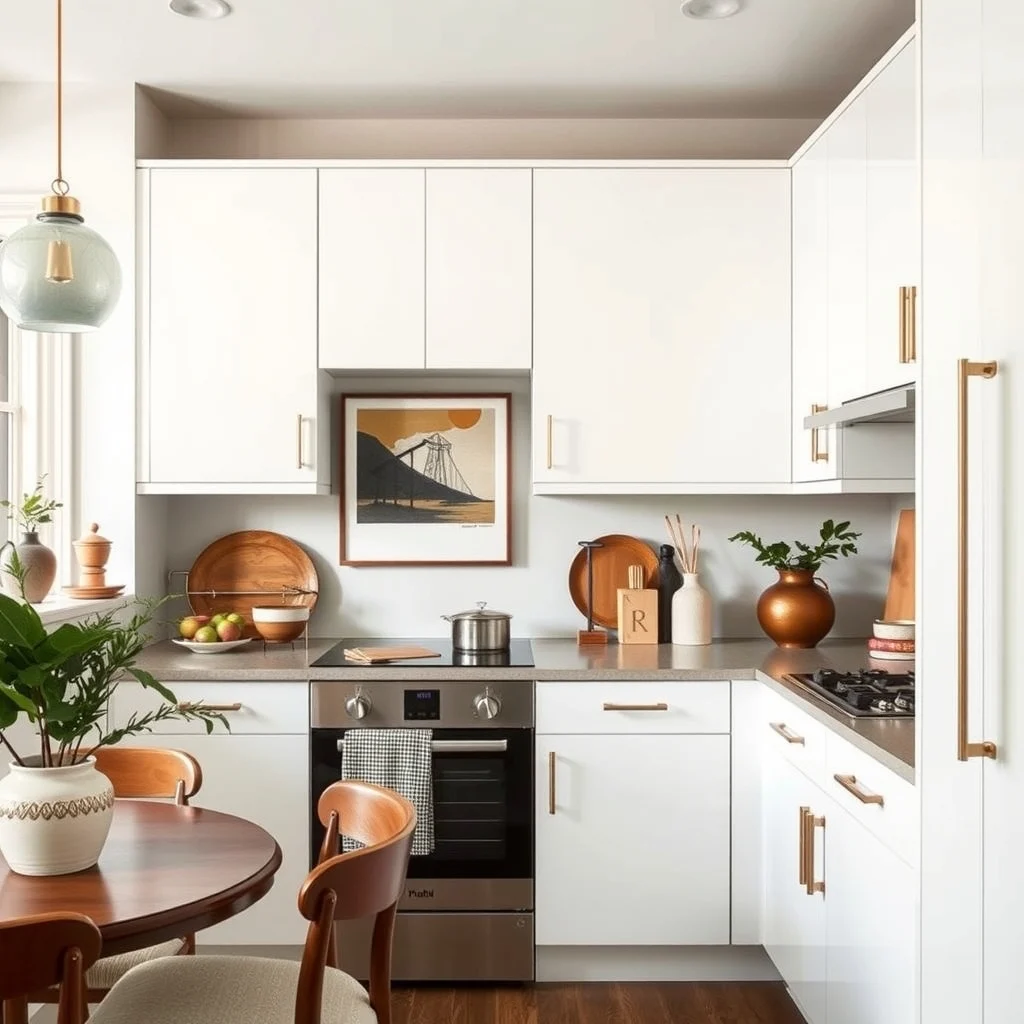
A kitchen can feel both cutting‑edge and nostalgic when the cabinetry is sleek and the hardware makes a statement. Choose flat‑panel cabinets in a cool, matte white finish; the lack of ornamentation aligns with modern sensibilities. Replace standard knobs with elongated, chrome handles that feature a stepped, fan‑like silhouette—a direct nod to Deco motifs. A backsplash of glossy, black subway tiles arranged in a staggered pattern introduces texture without demanding visual dominance. Open shelving made of reclaimed walnut holds glassware with etched geometric designs, allowing the pieces to become part of the décor. Overhead, pendant lights with frosted glass shades and brushed brass cages provide focused illumination while reinforcing the metallic accents elsewhere. For a more budget‑friendly approach, spray‑paint existing brass hardware a darker bronze to achieve a similar depth without a full replacement.
4. Bathroom That Blends Streamlined Fixtures with Mirrored Geometry
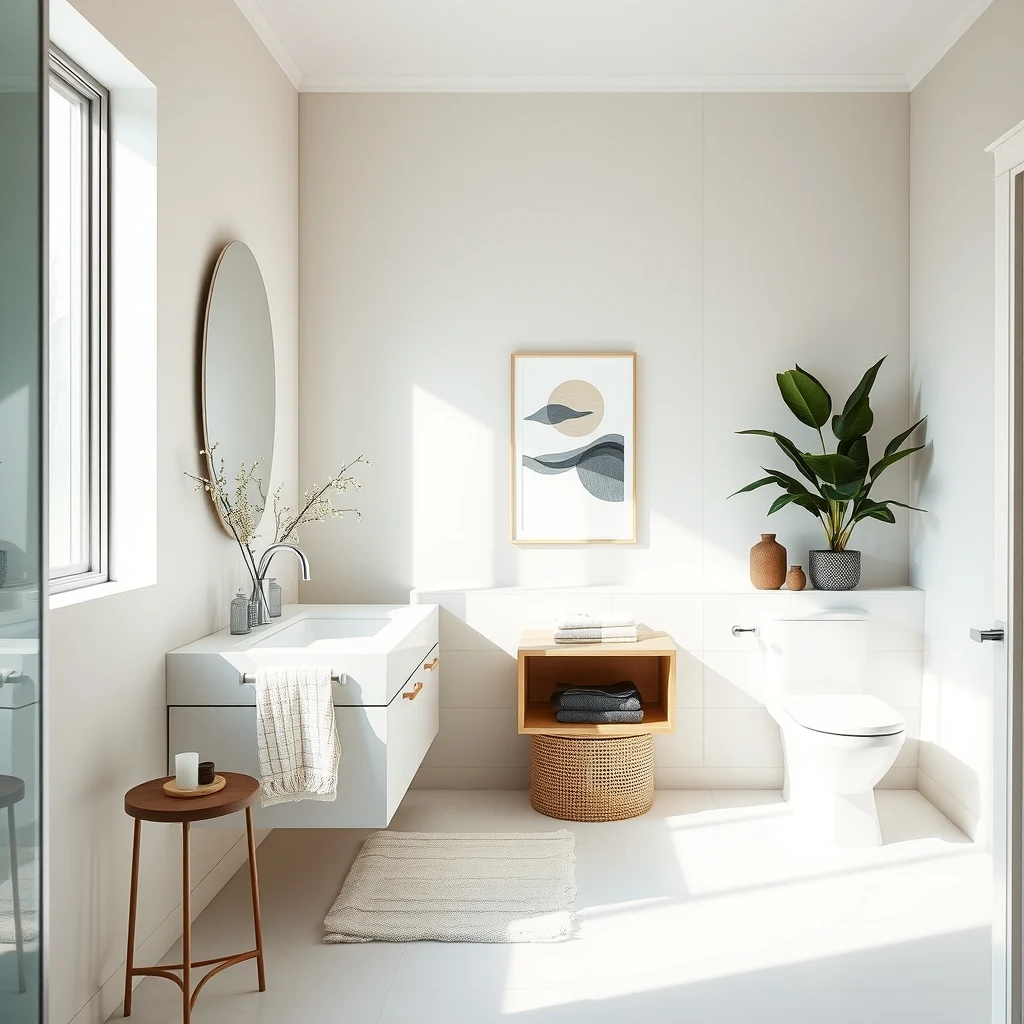
Bathrooms often become a showcase for material contrast, and this is an ideal place to pair modern fixtures with Art Deco flair. Install a floating vanity in a crisp, white lacquer; its lack of legs creates a sense of space. Above the sink, mount a large, rectangular mirror framed in polished chrome with a subtle, stepped edge—this framing references the angular lines of Deco while staying understated. A freestanding bathtub with a sleek, oval silhouette becomes a sculptural centerpiece; its smooth curves balance the angular mirror. Choose a rain shower head in brushed nickel for a spa‑like experience, and line the shower walls with large, matte‑finish tiles in a soft dove gray. A single, backlit vanity light with a thin, chrome tube adds ambient glow without cluttering the ceiling. If the space feels too stark, a small plant in a matte black pot can introduce a touch of nature without breaking the aesthetic.
5. Home Office That Marries Functional Minimalism with Decorative Geometry

Productivity thrives in environments that feel organized yet inspiring. A glass‑top desk supported by a black metal frame offers a clean, modern foundation while allowing the floor pattern to remain visible. Position the desk against a wall painted in a muted, warm greige; on this wall, install a series of narrow, vertical panels in glossy, deep teal lacquer, each spaced evenly to form a subtle, rhythmic pattern reminiscent of Deco’s love for repetition. A high‑back ergonomic chair upholstered in charcoal leather provides comfort and a hint of luxury. Add a slim, floating shelf in walnut to hold books and a few curated objects—perhaps a brass desk clock with a sunburst face. Overhead, a recessed LED fixture supplies even lighting, while a small, adjustable desk lamp with a cylindrical shade offers task illumination. If the vertical panels feel too daring, a wallpaper with a faint, metallic pinstripe can achieve a similar sense of refinement without overwhelming the workspace.
6. Entryway That Sets the Tone with Contrasting Materials
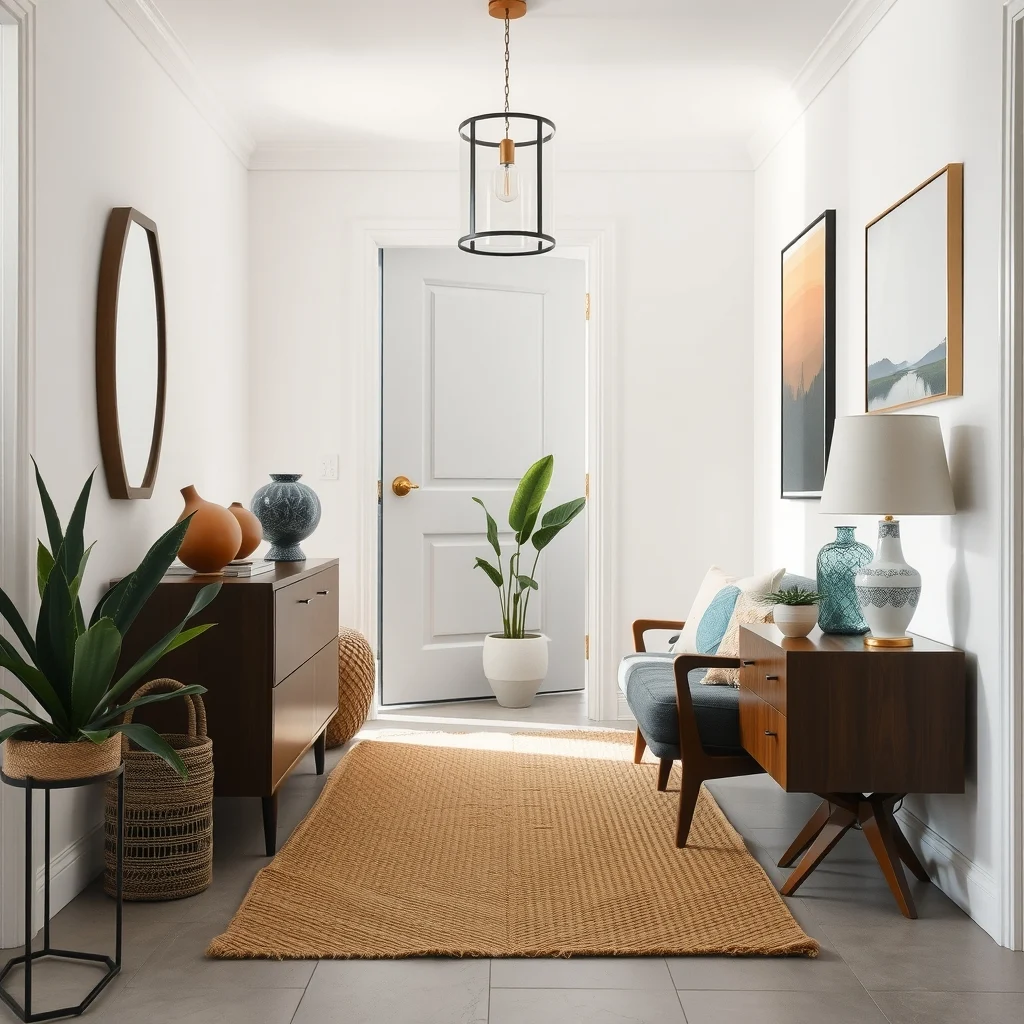
The entryway is the first story you tell visitors, and a blend of modern and Art Deco elements can make a memorable impression. Lay down a runner made of natural jute, its coarse texture grounding the space. Against one wall, hang a large, abstract painting in muted blues and gold—its composition of overlapping circles and rectangles echoes Deco geometry while the muted palette keeps it contemporary. Flank the door with narrow console tables in lacquered black; each supports a single decorative object—a brass vase with a faceted silhouette or a sleek, black ceramic bowl. Above the console, install a row of recessed spotlights that highlight the artwork without creating glare. A coat rack in brushed steel with a simple, rectangular silhouette offers utility without competing for visual attention. If the space lacks wall area for a large painting, a series of smaller framed prints with coordinated frames can achieve the same layered effect.
7. Dining Room Where a Statement Chandelier Meets Clean Lines
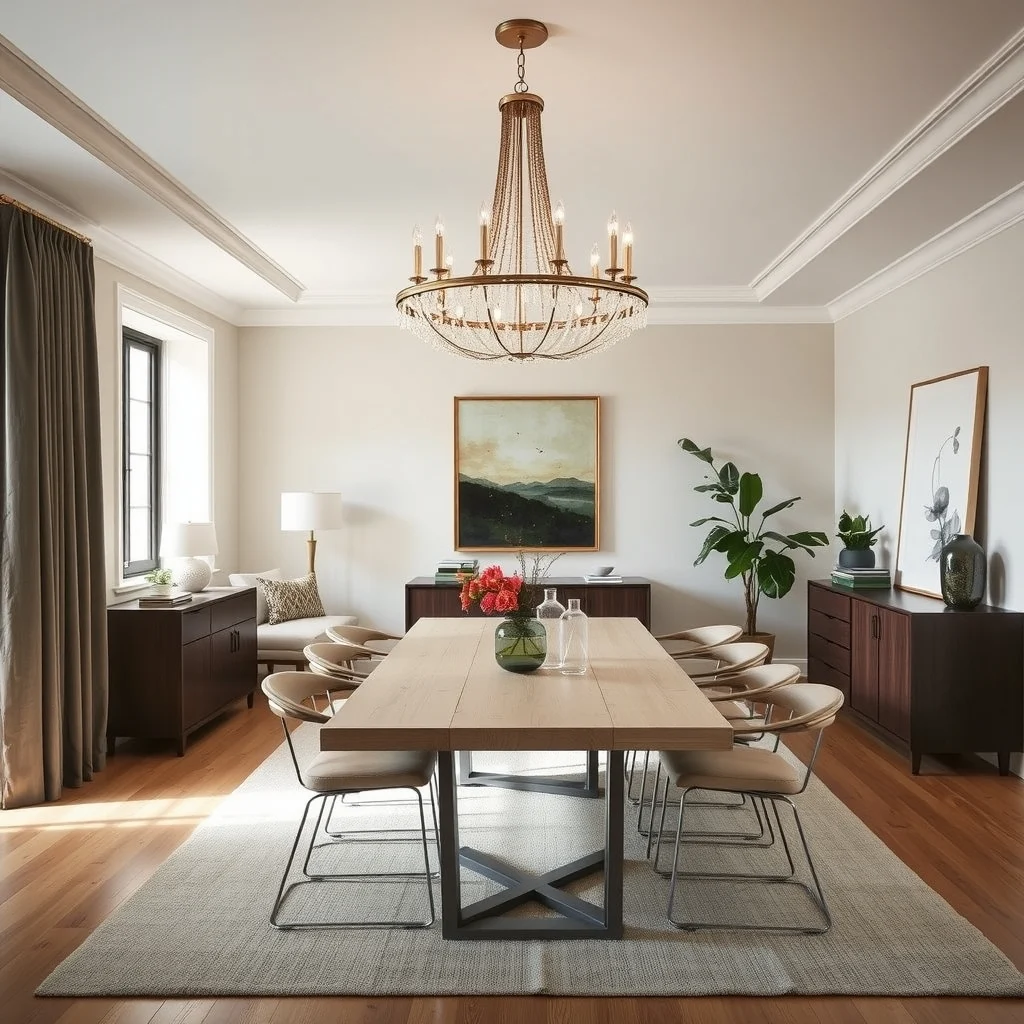
A dining room benefits from a focal point that draws the eye without sacrificing functionality. Choose a rectangular dining table in light ash wood with slender, metal legs that taper inward—a clear modern gesture. Surround it with upholstered chairs in a soft, muted terracotta fabric; the upholstery’s subtle texture adds warmth while the chair backs retain a low, angular profile. Above the table, hang a chandelier composed of multiple, thin brass rods that fan outward, each ending in a small, frosted glass globe. The chandelier’s geometry references the fan motifs of Art Deco, yet its minimal execution aligns with modern restraint. A sideboard in a high‑gloss, charcoal lacquer provides storage; its flat fronts keep the room feeling airy. On the sideboard, place a decorative tray of polished marble and a few vintage cocktail glasses to hint at the era’s love for refined entertaining. If the chandelier feels too elaborate for a smaller space, a single pendant with a brushed brass shade can deliver a similar aesthetic with less visual weight.
FAQ
How do I choose a color palette that works for both Art Deco and modern styles?
Start with a neutral base—gray, white, or greige—and add one or two richer accent tones like navy, emerald, or deep terracotta. The neutrals keep the space feeling modern, while the deeper hues provide the luxurious feel associated with Art Deco.
Can I incorporate Art Deco patterns without overwhelming a small room?
Yes, limit patterned elements to a single wall, a rug, or a piece of artwork. Keeping the rest of the room simple allows the pattern to act as a focal point rather than a visual overload.
What type of lighting fixtures best bridge the gap between the two styles?
Look for fixtures that combine clean geometric shapes with metallic finishes. Brass or brushed nickel in simple forms—such as a rectangular pendant or a slim floor lamp—offers the elegance of Deco while maintaining modern simplicity.
Are there budget‑friendly ways to achieve an Art Deco feel?
Yes, you can paint existing furniture in high‑gloss finishes, add inexpensive brass hardware, or use decorative mirrors with stepped frames. Small updates often have a big visual impact without a large investment.
Should I mix different wood tones when blending these styles?
Mixing wood tones works when the finishes share a common undertone, such as warm honey or cool ash. Pairing a light oak table with a darker walnut accent piece can create depth while still feeling cohesive.
Final Thoughts
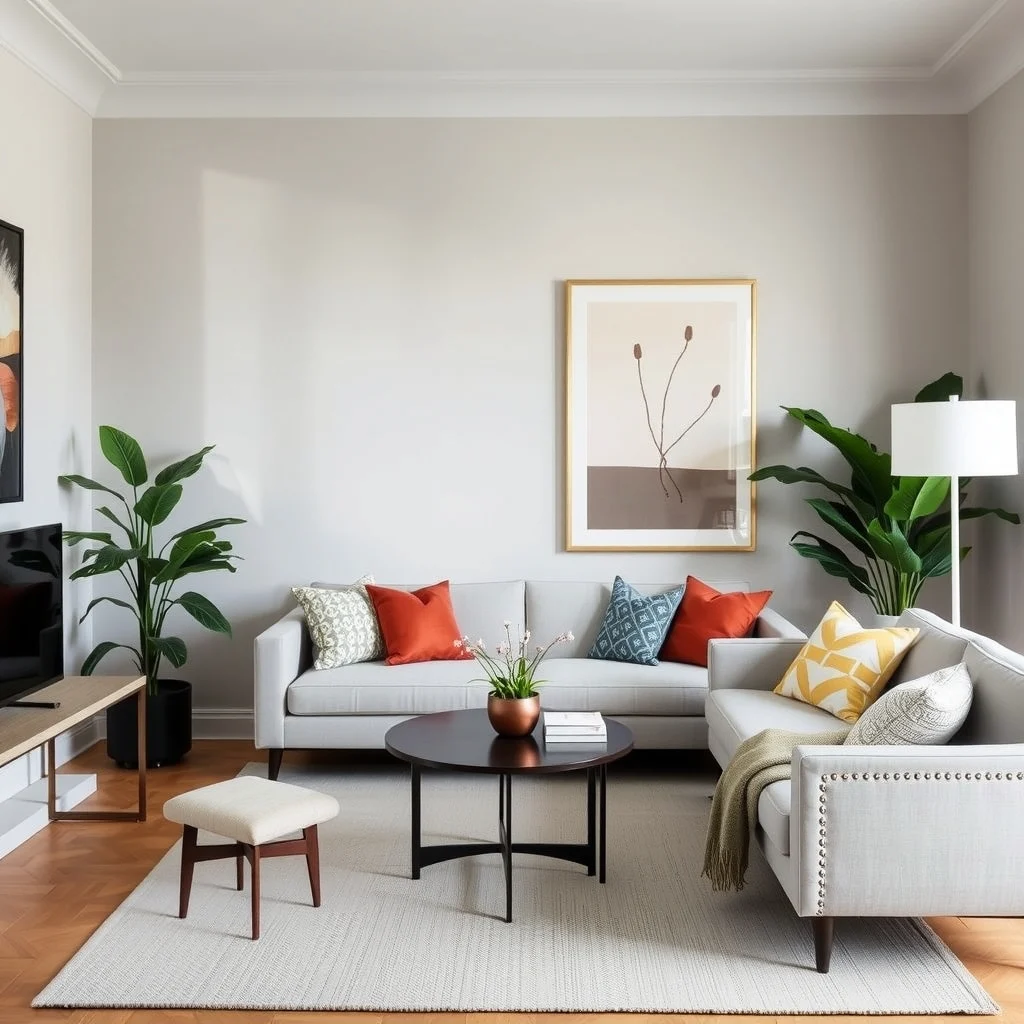
Blending Art Deco with modern design is less about forcing two eras together and more about finding points of conversation—geometry, material, and proportion. By selecting a few statement pieces, respecting the balance of texture and scale, and allowing each room to tell its own story, you can enjoy the sleek efficiency of modernism alongside the timeless elegance of Deco. Remember that the most successful spaces feel intentional, not crowded, and that a single well‑chosen element can tip the scale toward a harmonious blend.
3 thoughts on “How to Mix Art Deco and Modern Design in Your Home”
Comments are closed.