
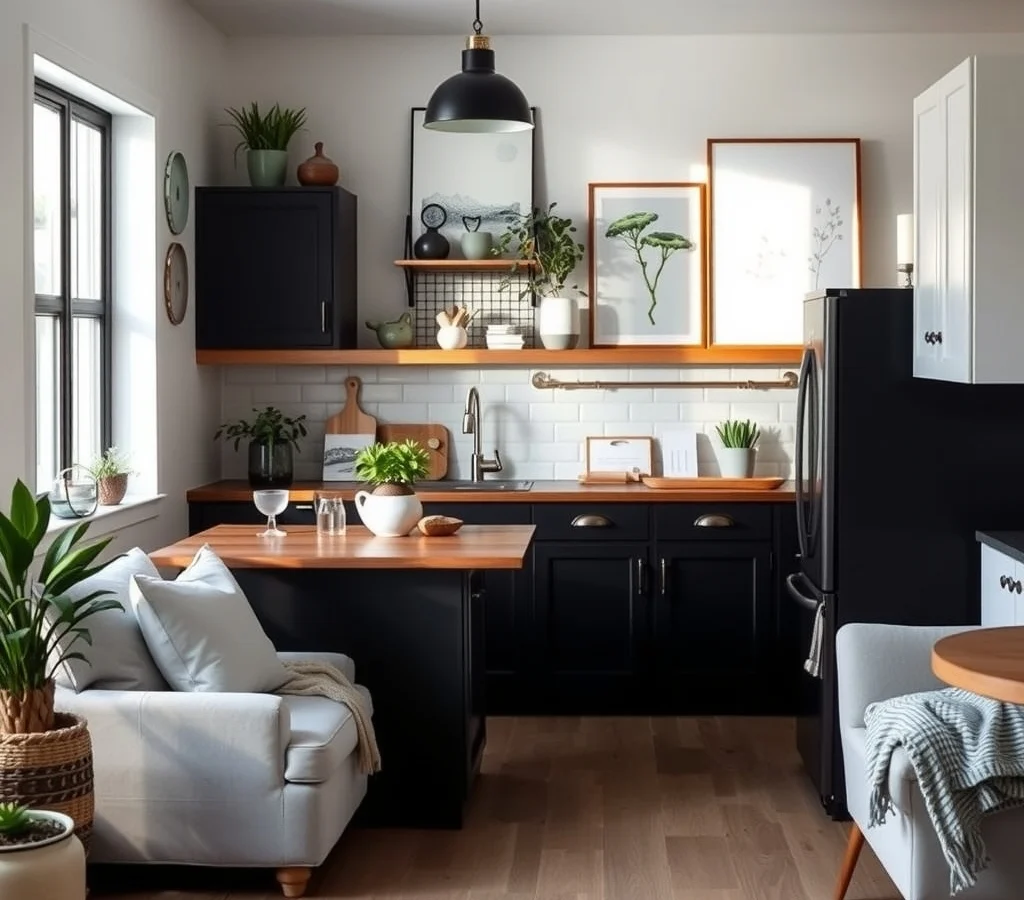
When you walk into a kitchen that feels both fresh and familiar, it’s often the result of a thoughtful blend of classic farmhouse charm and contemporary clean lines. Whether you’re renovating a cramped galley or refreshing a spacious family hub, the modern farmhouse aesthetic offers a palette of textures, finishes, and layouts that can suit a variety of lifestyles. Below are seven distinct ideas that illustrate how you can capture that relaxed, lived‑in elegance without sacrificing practicality.
1. Open‑Shelved Pantry with Reclaimed Wood
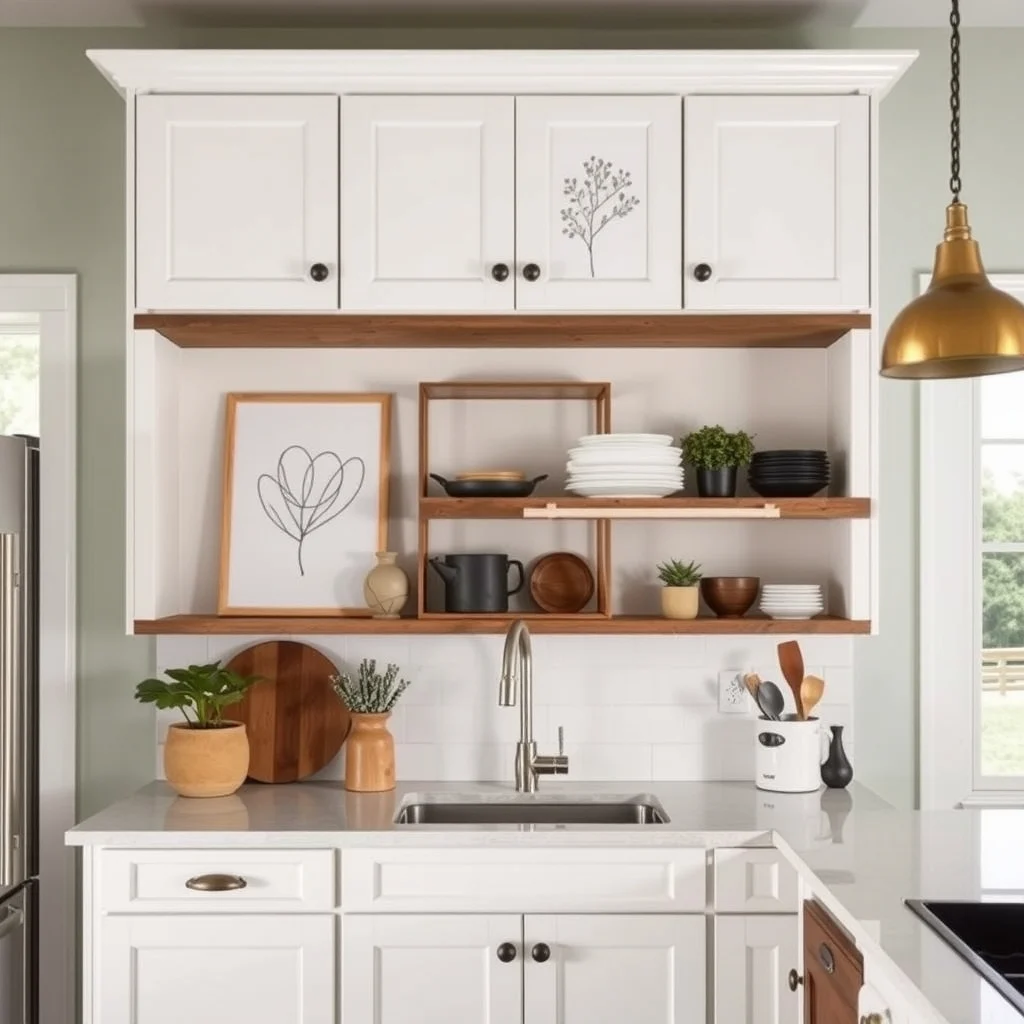
Replacing upper cabinets with sturdy open shelves instantly adds an airy quality while showcasing everyday items as decorative accents. A pair of reclaimed barn‑plank shelves, finished with a matte sealant, creates a warm backdrop for ceramic jars, copper cookware, and a row of hand‑painted spice containers. The natural grain of the wood softens the crispness of white walls, and the visible storage invites you to keep the pantry organized because everything is on view. If ceiling height is modest, consider a single‑row shelf that stops just below eye level; a second, lower row can hold larger appliances without overwhelming the space. When the kitchen receives a lot of sunlight, the wood tones deepen, adding a subtle richness that changes with the day.
2. Farmhouse Sink Paired with Brass Faucet
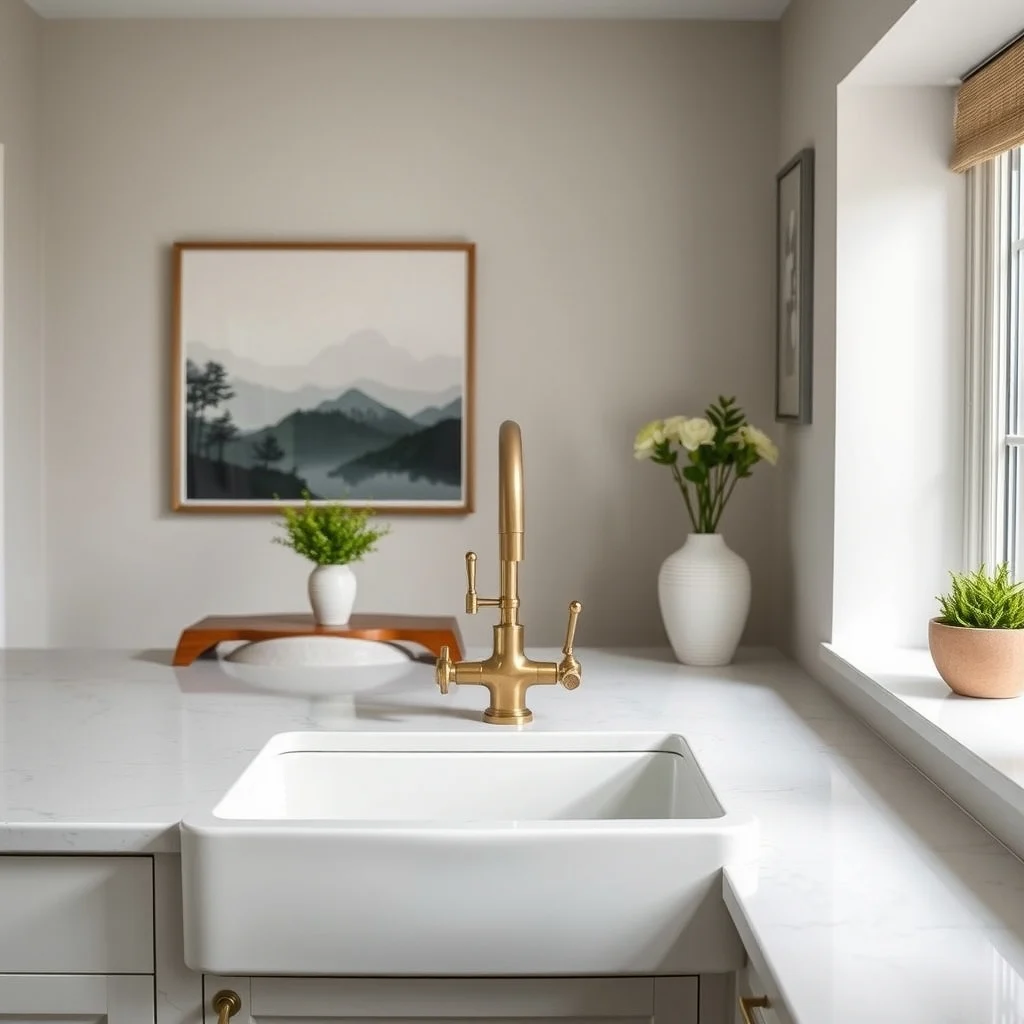
A deep, apron‑front sink anchored in a marble or quartz countertop becomes the room’s focal point, especially when paired with a brushed‑brass pull‑down faucet. The sink’s generous basin accommodates large pots, making meal prep less cramped, while the brass hardware introduces a hint of vintage elegance that complements both dark wood cabinets and lighter painted surfaces. For homes where space is at a premium, a single‑bowl version still offers ample depth without extending too far into the work triangle. A simple trick is to line the sink’s bottom with a silicone mat; it protects the stone surface and adds a soft, tactile layer that feels pleasant under wet hands.
3. Two‑Tone Cabinetry with Soft Greige Upper and Slate Lower
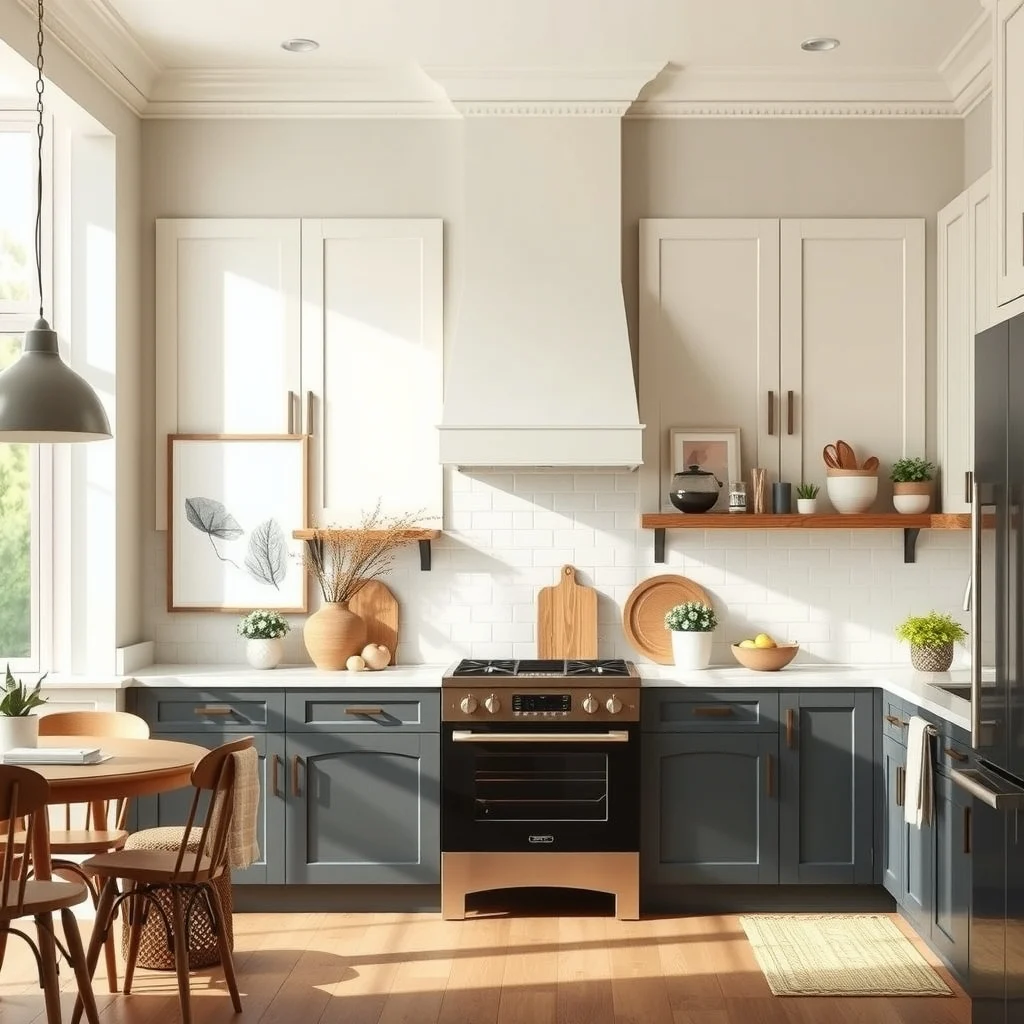
Splitting the cabinet color vertically creates visual interest without overwhelming the eye. Light greige on the upper cabinets reflects natural light, keeping the room bright, while deep slate on the lower cabinets grounds the space and hides inevitable scuffs from foot traffic. The contrast feels intentional, especially when hardware is kept minimal—matte black or oil‑rubbed bronze knobs blend seamlessly with both tones. If a full two‑tone scheme feels bold, try a subtle wash of the darker hue on the lower cabinet fronts only, leaving the drawer fronts in the lighter shade. This approach maintains the sense of depth while simplifying the paint process.
4. Statement Lighting with a Rustic Pendant Cluster
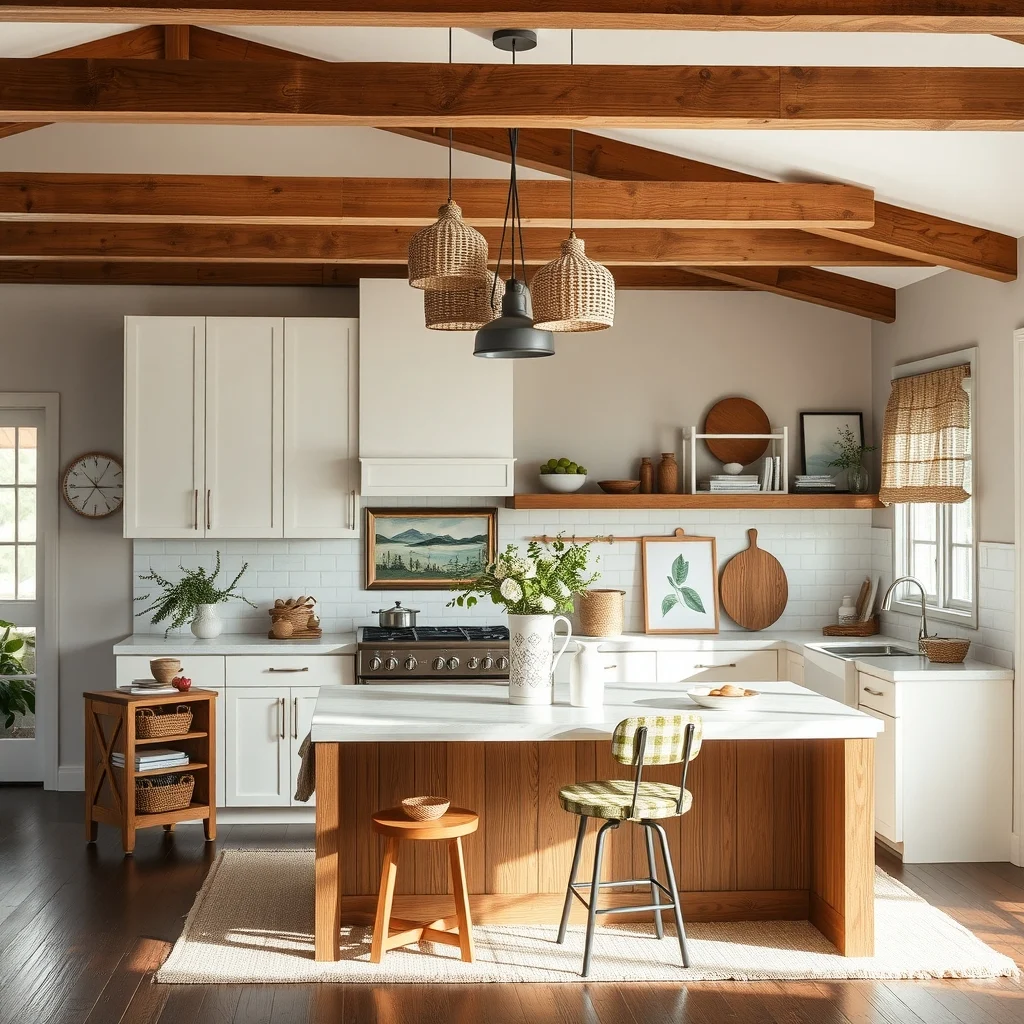
Above the central island, a cluster of three to four medium‑sized pendants in distressed metal or woven rattan adds a handcrafted feel that ties the room together. The fixtures cast a warm glow that highlights the island’s countertop while creating pockets of illumination for evening meals. Because the pendants are spaced evenly, the visual weight is balanced, preventing the ceiling from feeling crowded. In homes with lower ceilings, choose pendants with a slimmer profile and a matte finish to keep the look understated. Adding a dimmer switch gives you control over the ambience, allowing the lights to shift from bright task illumination to a softer, inviting glow.
5. Integrated Herb Garden on a Window Sill
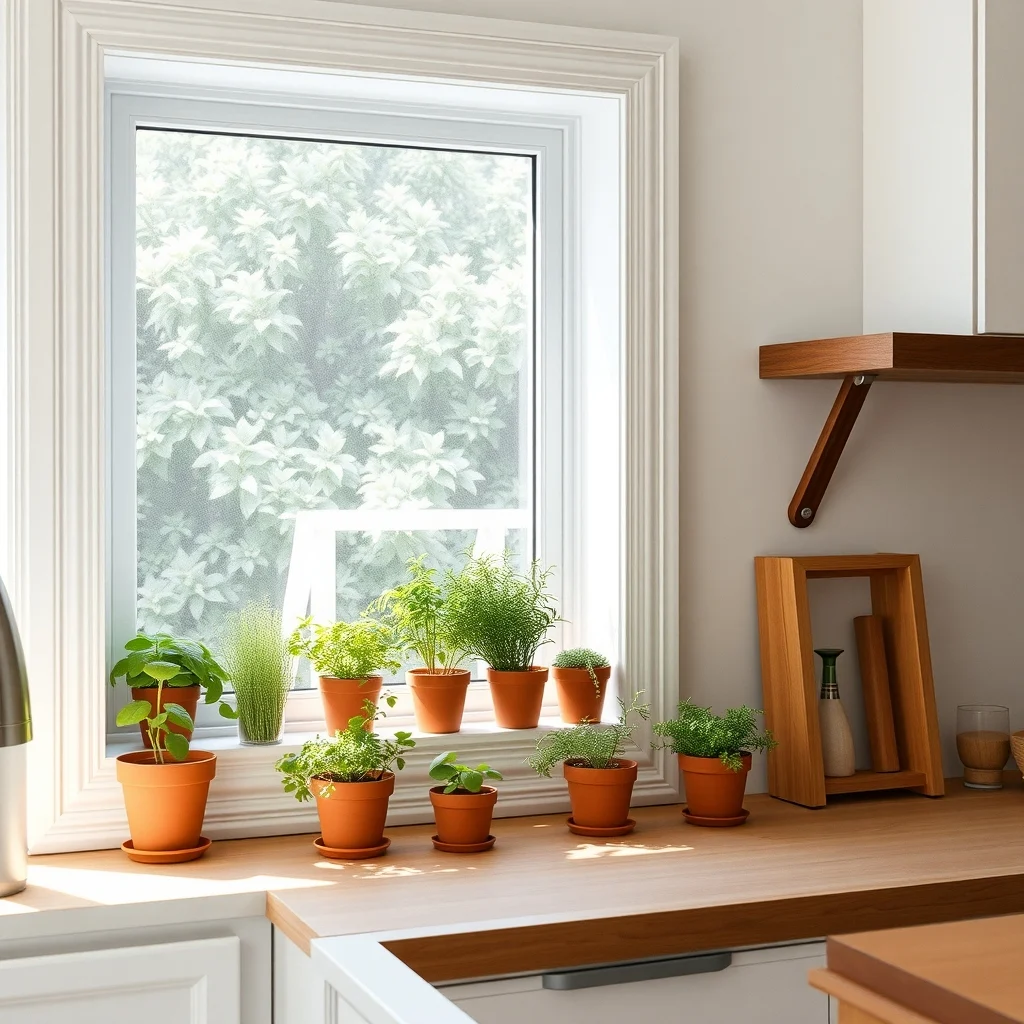
Transform a sunny window ledge into a living herb garden, placing small terracotta pots of basil, thyme, and rosemary in a row. The greenery injects a burst of life and provides fresh flavor at arm’s reach, while the earthy tones of the pots echo the farmhouse palette. A narrow, reclaimed‑wood board beneath the pots serves as a drip tray, protecting the sill from water damage. If the kitchen lacks a suitable window, a wall‑mounted shelf with built‑in grow lights can replicate the effect, ensuring the herbs receive consistent illumination year‑round.
6. Mixed‑Material Island with Concrete Top and Barn‑Door Storage

The island becomes a multi‑functional centerpiece when its countertop is poured concrete, offering a cool, durable surface for rolling dough or setting out baked goods. Flanking the concrete slab, sliding barn‑style doors conceal pantry shelves, a small wine cooler (or beverage station), and a pull‑out trash bin. The contrast between the industrial concrete and the warm wood of the doors creates a dialogue between old and new. For households concerned about the weight of concrete, a thin overlay on a sturdy plywood base provides the same aesthetic with reduced heft. Adding a few copper accents—such as a small pot rack—ties the island back to the brass faucet introduced earlier.
7. Textured Flooring with Wide‑Plank Whitewashed Oak
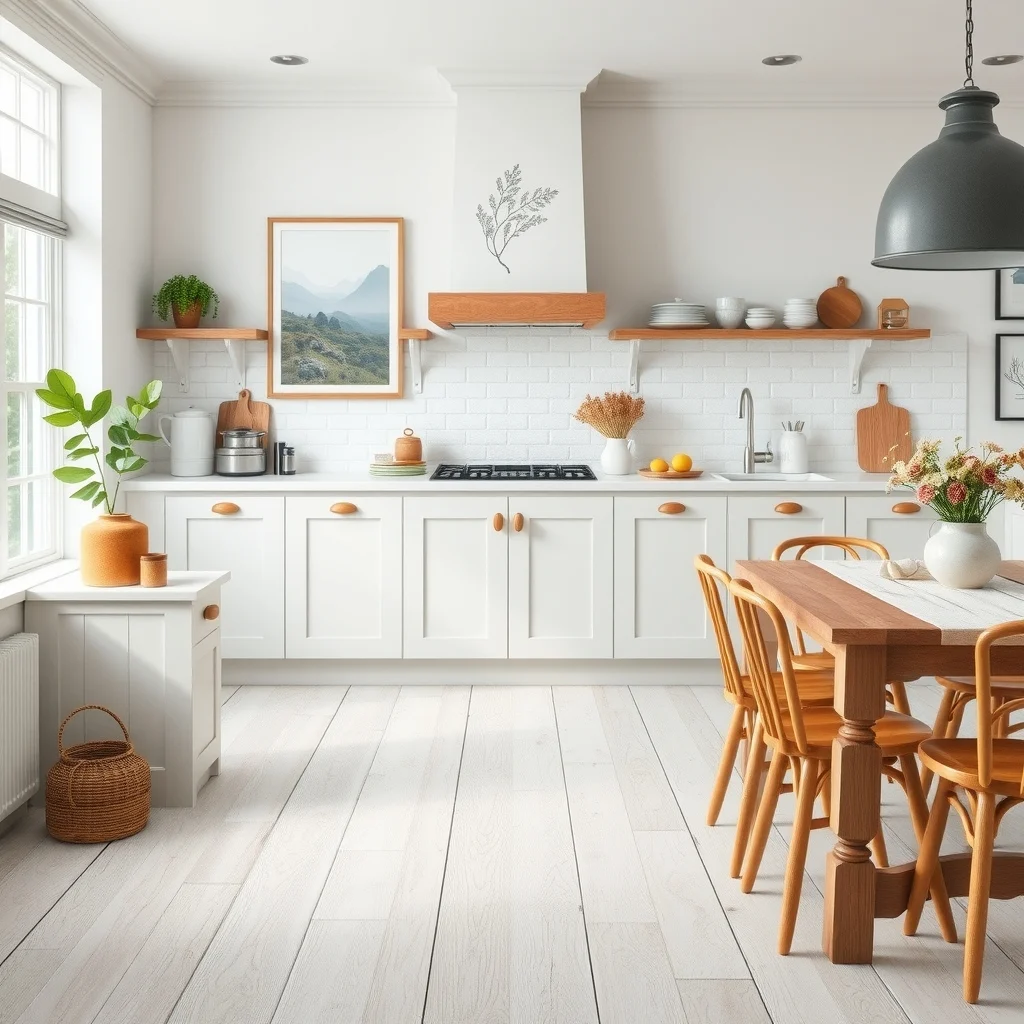
Flooring sets the tone for the entire kitchen, and wide‑plank oak that’s been lightly whitewashed delivers a subtle, weathered look without the starkness of pure white. The gentle grain shows through, offering a tactile surface that feels welcoming under bare feet. Because the planks are wide, the room appears larger, and the whitewash reflects light, enhancing the overall brightness. If maintenance is a concern, a high‑quality sealant can protect the wood from spills while preserving the soft, matte finish. Pair the floor with a simple runner made of natural jute to define the cooking zone and add a layer of comfort underfoot.
FAQ
How can I achieve a farmhouse look on a tight budget?
Focus on a few key pieces—such as open shelving, a reclaimed wood accent, or a pendant light—and keep the rest simple. Paint cabinets in a neutral shade and add inexpensive hardware to create visual impact without major expense.
Is it safe to use a concrete countertop in a family kitchen?
Yes, as long as the concrete is sealed properly to prevent staining and water penetration. A high‑performance sealant will protect the surface while allowing it to age gracefully.
What lighting options work best for a kitchen without natural light?
Layered lighting is essential; combine recessed ceiling fixtures with under‑cabinet LEDs and a statement pendant or two. This mix provides task illumination and a softer ambient glow for evenings.
Can I replace my traditional cabinet doors with barn‑door style panels?
Barn‑door panels can be installed as a front for existing cabinets, offering a rustic touch while retaining the original storage layout. Ensure the hardware is rated for the weight of the doors to avoid sagging.
How do I keep an open‑shelved pantry organized?
Use uniform containers for dry goods, label them clearly, and arrange items by frequency of use. Adding a small decorative tray for frequently accessed spices helps maintain a tidy appearance.
Final Thoughts

The modern farmhouse kitchen thrives on the balance between lived‑in comfort and contemporary simplicity. By selecting a few defining elements—whether it’s a reclaimed wood shelf, a brass faucet, or a mixed‑material island—you can craft a space that feels both timeless and tailored to your daily routine. Remember that each choice should serve a purpose, from improving workflow to inviting family members to linger over a cup of tea. With thoughtful layering of texture, light, and color, your kitchen will become the heart of the home, welcoming and functional for years to come.
1 thought on “Modern Farmhouse Kitchen Ideas You’ll Love”
Comments are closed.