
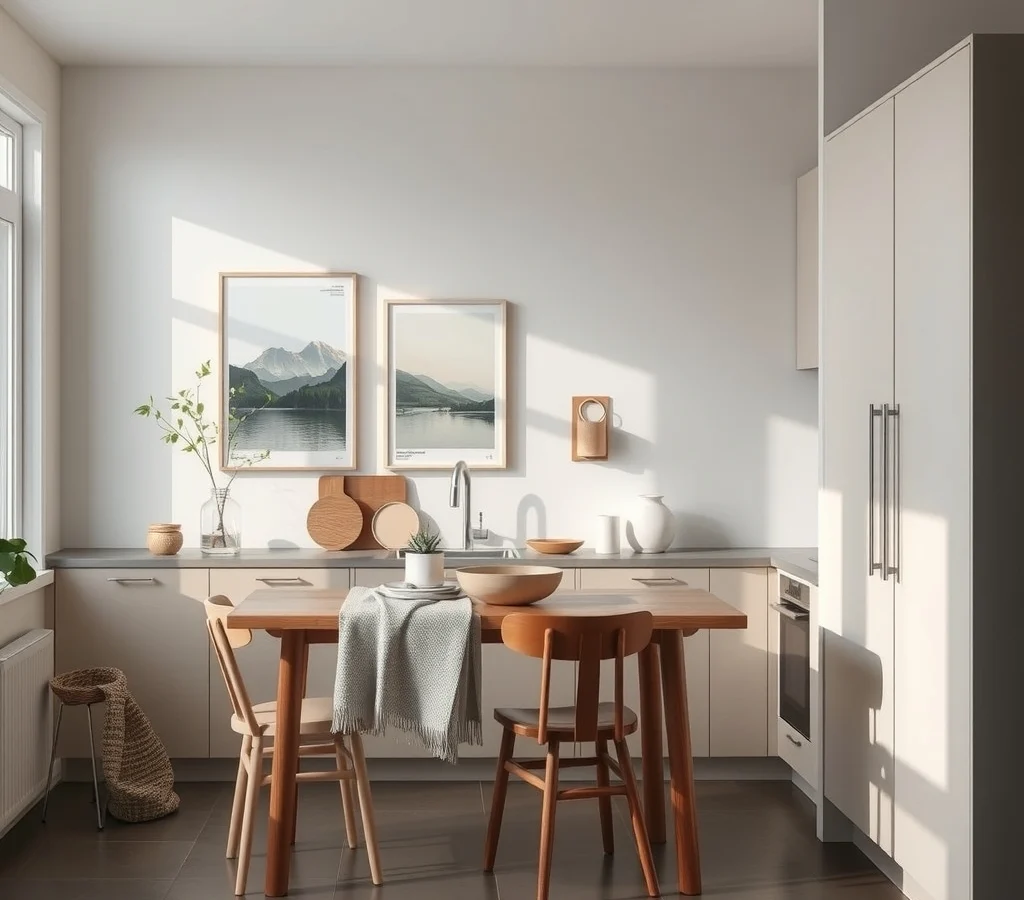
When the morning rush turns the kitchen into a battlefield of dishes, gadgets, and loose ingredients, the desire for a clean, orderly environment becomes urgent. A minimalist approach doesn’t mean stripping the room of personality; it means choosing each element so that it serves a purpose while contributing to a serene visual rhythm. Below are seven distinct concepts that let you keep the heart of the home uncluttered, inviting, and ready for anything from a quick breakfast to a family dinner.
1. Open Shelving with Uniform Containers
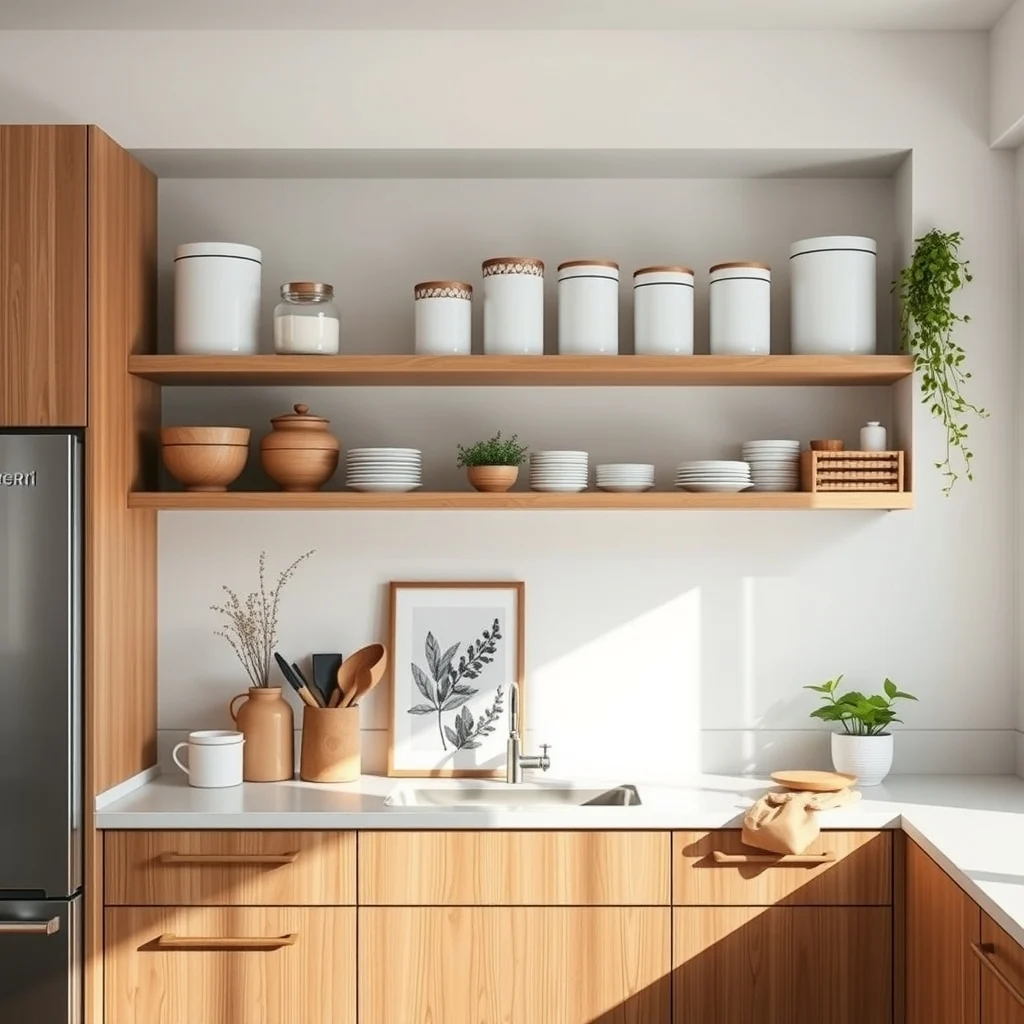
Replacing upper cabinets with a modest row of floating shelves instantly opens the sightline and adds a light‑filled feel. The key is to select a narrow depth—about twelve inches—so that items stay within easy reach without crowding the wall. Pair the wood or powder‑coated metal shelves with a set of matte white or soft greige jars that hold flour, sugar, and coffee beans. When the containers share the same silhouette and finish, the visual weight balances, letting the natural grain of the wood become the star. For homes where open storage feels too exposed, a few decorative baskets can hide less attractive items while maintaining the streamlined look. This arrangement works best in kitchens that receive plenty of daylight, allowing the shelves to become a quiet showcase rather than a cluttered display.
2. Pull‑Out Pantry with Hidden Handles
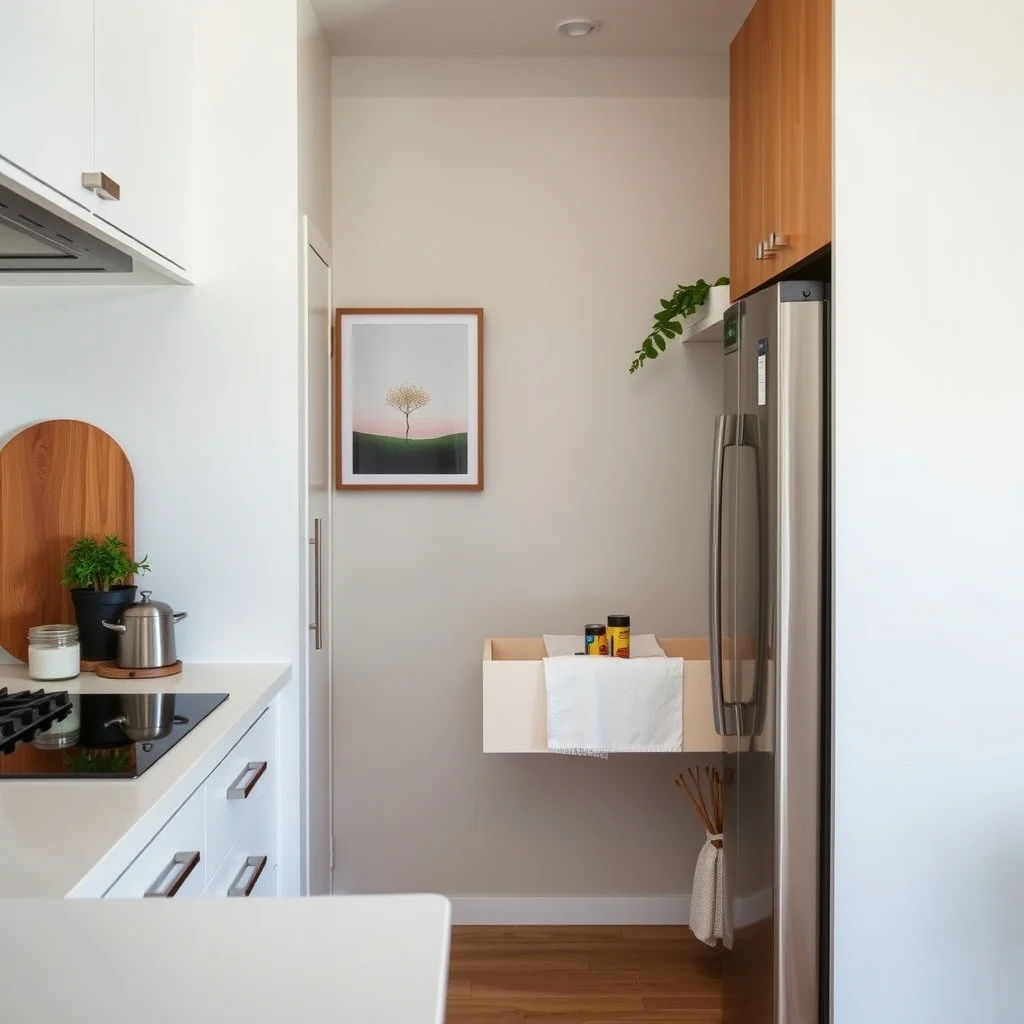
A narrow pull‑out pantry tucked between the refrigerator and the wall offers a discreet solution for spices, canned goods, and snack packs. Choose a cabinet system that slides on soft‑close rollers; the gentle glide reduces noise and prevents sudden jolts that could dislodge items. Instead of protruding metal pulls, opt for recessed cutouts or push‑to‑open hardware that keeps the façade smooth. Inside, install adjustable dividers so you can reconfigure the space as your inventory changes. If the kitchen layout lacks a full‑height gap, a half‑height version can still provide a tidy vertical storage column. The hidden handles preserve the sleek profile while delivering the convenience of a traditional pantry.
3. Integrated Appliance Panels
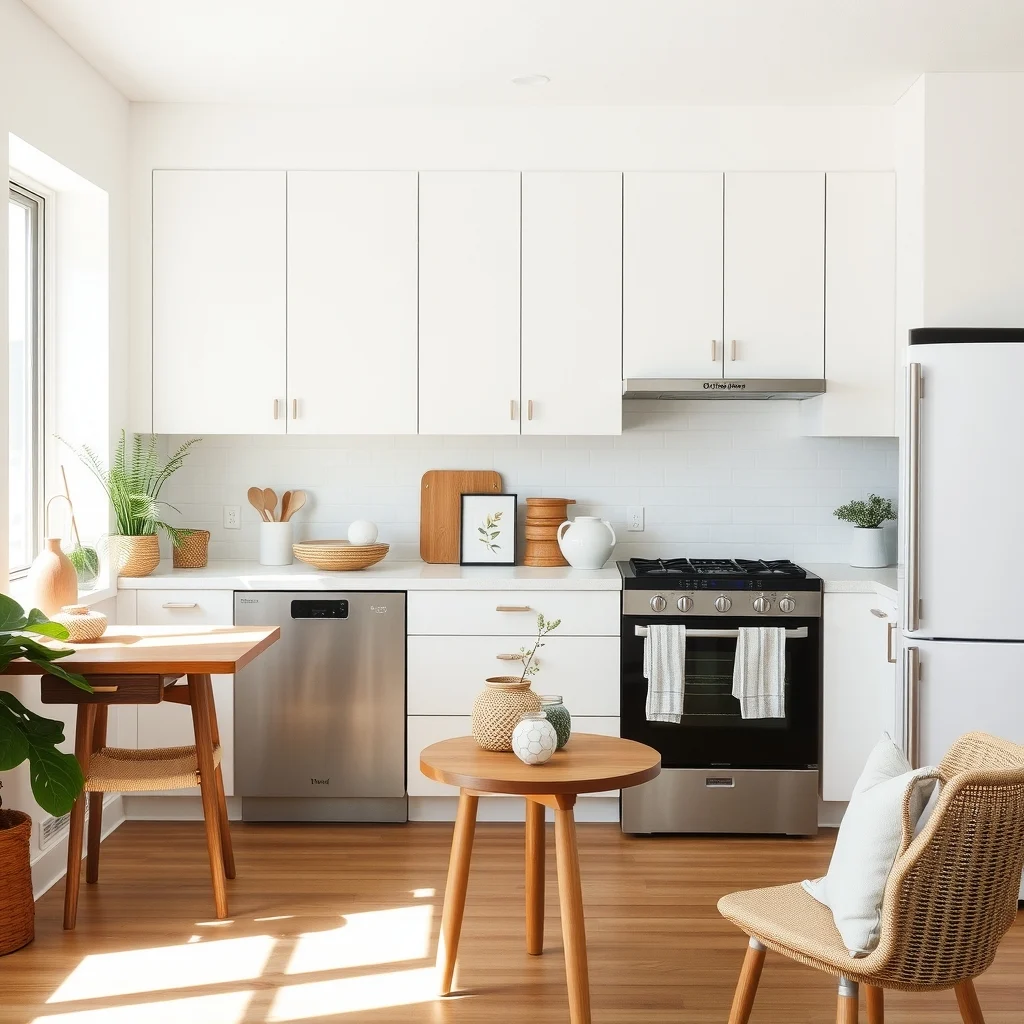
When the refrigerator, dishwasher, and oven blend into the surrounding cabinetry, the kitchen surface reads as one uninterrupted plane. This effect is achieved by applying custom panels that match the cabinet doors, often in a matte lacquer or soft‑touch veneer. The result is a room that feels cohesive without visual interruptions from glossy appliance fronts. For renters or those on a tighter budget, adhesive veneer sheets can be applied to existing appliances, offering a reversible makeover. Integrated panels are especially effective in compact kitchens, where every visual break can make the space feel smaller.
4. Multi‑Functional Island with Built‑In Waste Sorting
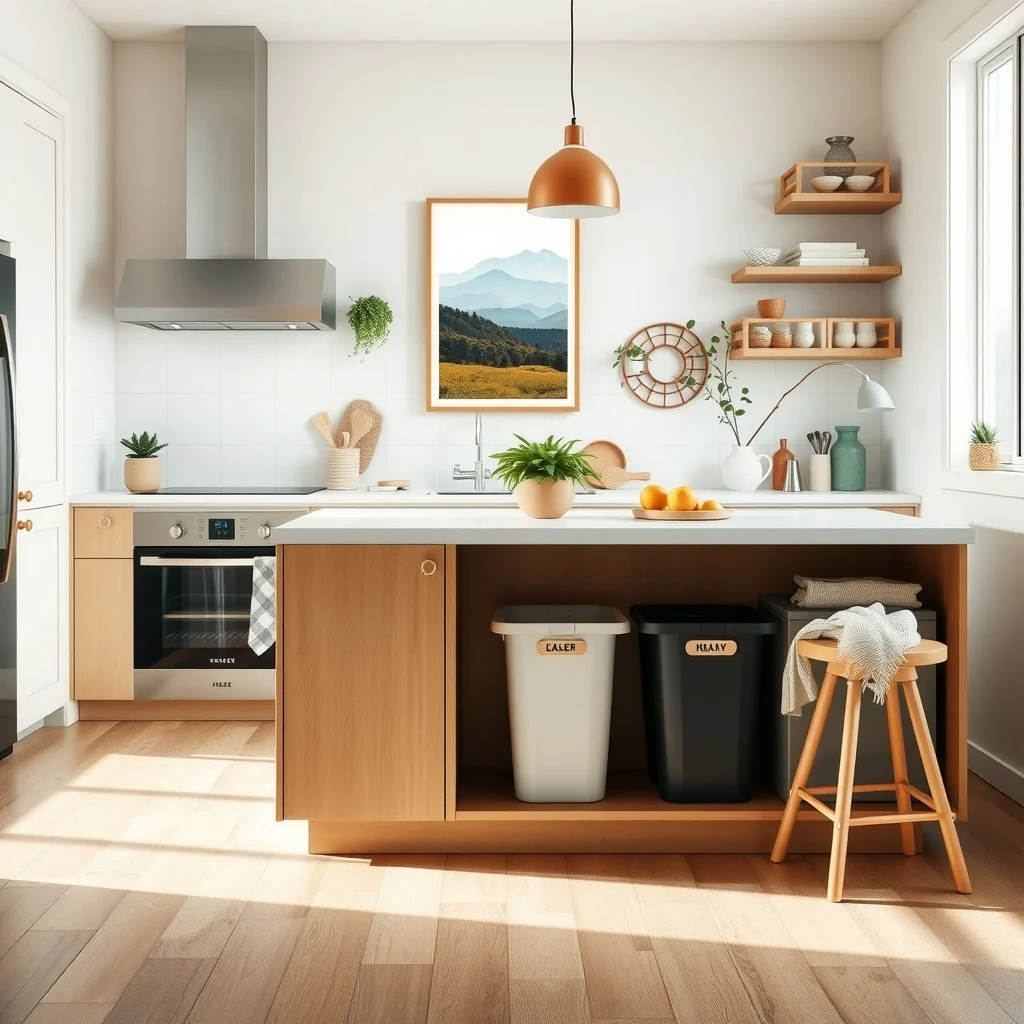
An island that doubles as a waste‑sorting station reduces the need for separate bins scattered across the room. Design the island with a recessed compartment on one side, housing three pull‑out drawers labeled for recyclables, compost, and landfill waste. A smooth countertop—perhaps a honed quartz in a light stone tone—provides ample prep space while the drawer handles are concealed beneath a subtle groove. Adding a single, low‑profile pendant lamp above the island defines the work zone without overwhelming the ceiling. This configuration suits families who want to keep the kitchen tidy while encouraging responsible waste habits.
5. Under‑Cabinet Lighting Paired with a Floating Herb Garden
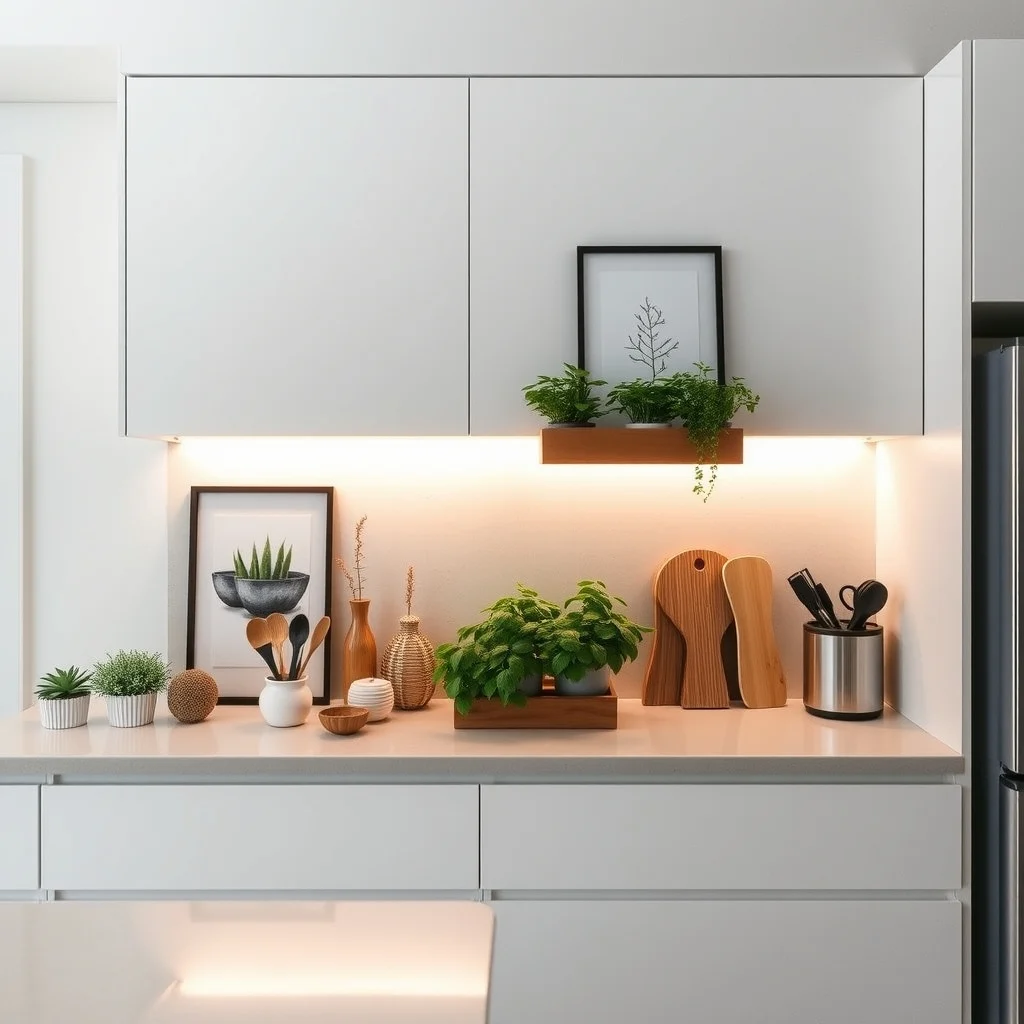
Soft LED strips installed beneath the upper cabinets cast a warm glow across the countertops, highlighting the work surface without the harsh glare of overhead fixtures. Position a narrow, wall‑mounted planter just a few inches below the lighting strip; a selection of basil, mint, and thyme thrives in the indirect light and adds a fresh scent to the room. The planter’s metal or ceramic frame should echo the finish of the cabinet hardware, reinforcing the minimalist theme. If natural light is limited, a small LED grow light can supplement the setup, ensuring the herbs remain vibrant year‑round.
6. Streamlined Countertop with a Single Statement Bowl
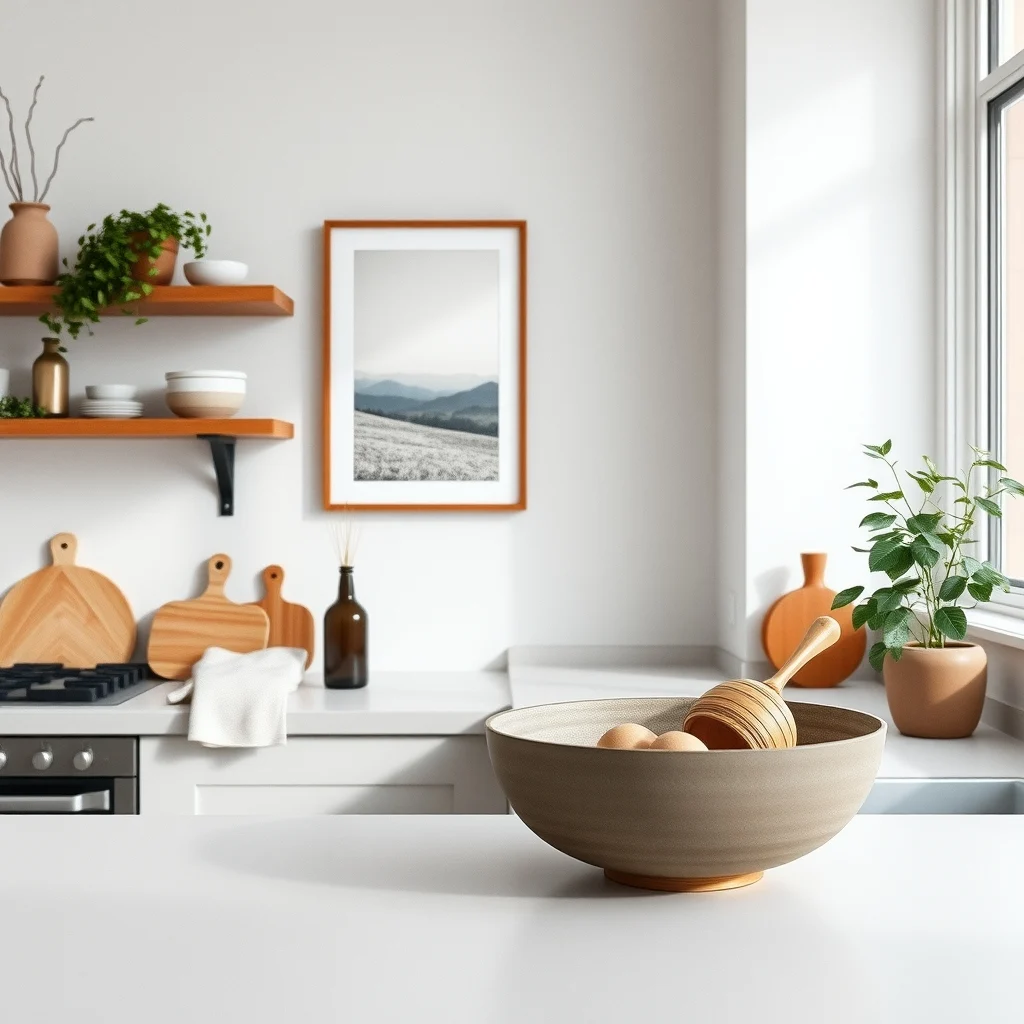
Instead of scattering cutting boards, spice racks, and decorative objects across the countertop, choose one large, textured bowl—perhaps in matte stone or brushed copper—to hold the items you use most often. A bowl of this scale can accommodate rolled towels, a few essential oils, and a handful of fresh lemons, creating a purposeful focal point. The remaining surface stays clear for food preparation, making cleanup quicker and the space feel larger. When you need extra storage, a slim, pull‑out tray hidden beneath the countertop can hold less‑frequent tools without breaking the visual flow.
7. Built‑In Bench for a Minimalist Dining Nook
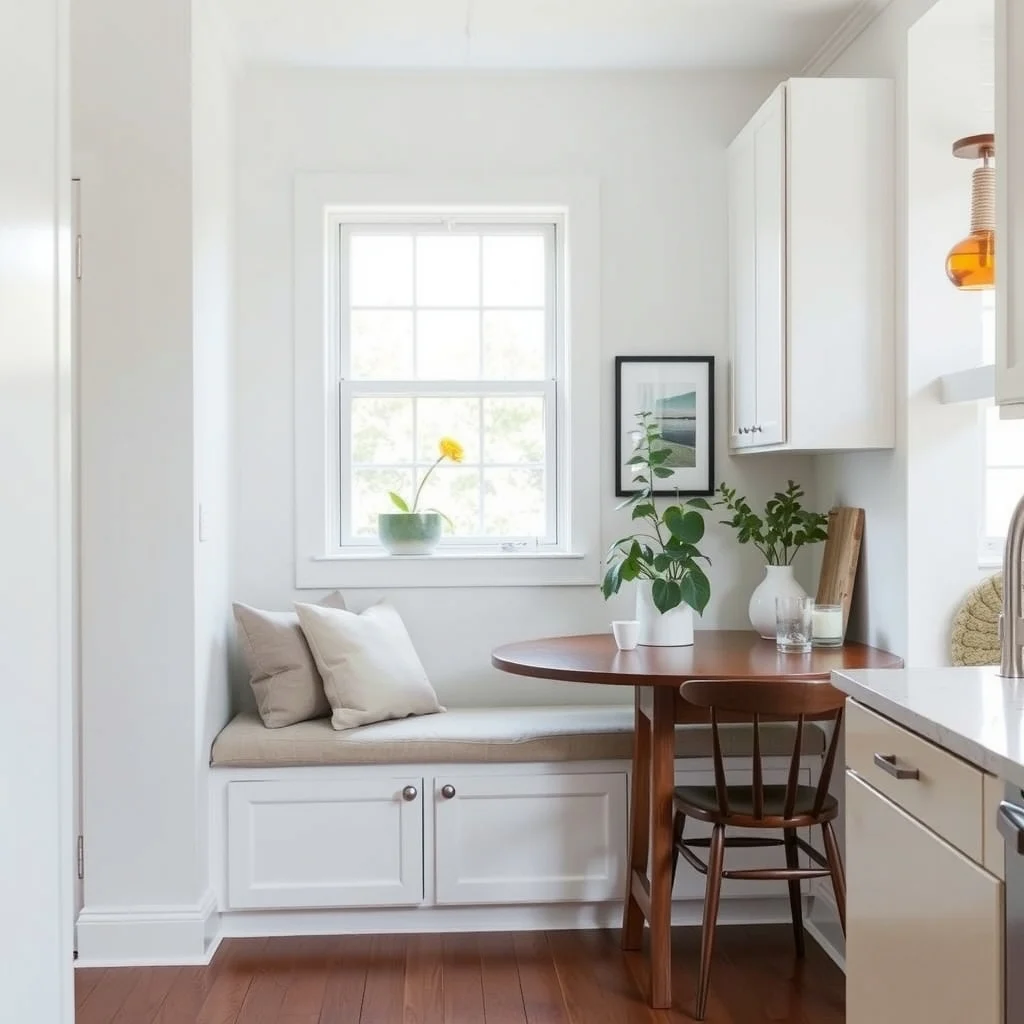
Carve out a small corner near a window and install a low, built‑in bench with a simple cushion in a muted linen shade. The bench’s backless design keeps the line of sight open, while the cushion adds a touch of comfort without the bulk of a freestanding chair. A narrow side table made of reclaimed wood offers a spot for a coffee mug or a small vase of wildflowers. This arrangement works well in kitchens that double as casual dining areas, providing seating that feels integrated rather than added on.
Frequently Asked Questions

How can I keep open shelves looking tidy?
Use containers that share the same shape, size, and finish; this creates visual order even when the shelves hold a variety of items. Adding a few discreet baskets can hide less attractive goods while preserving the open feel.
Is pull‑out pantry hardware expensive?
The hardware itself ranges from budget‑friendly to premium, but many home‑improvement stores carry affordable soft‑close slides and recessed pulls that work well in a DIY installation.
Can I retrofit my appliances with paneling without professional help?
Yes, adhesive veneer sheets are designed for easy application and removal, making them a good option for renters. Just ensure the surface is clean and smooth before applying the sheet.
What lighting is best for under‑cabinet strips?
LED strips with a color temperature around 3000 K provide a warm, inviting glow that enhances food colors without creating harsh shadows.
How do I choose herbs for a floating garden?
Select varieties that tolerate low light, such as basil, mint, and thyme. Pair them with a compact planter that matches the kitchen’s metal or ceramic finishes for cohesion.
Final Thoughts
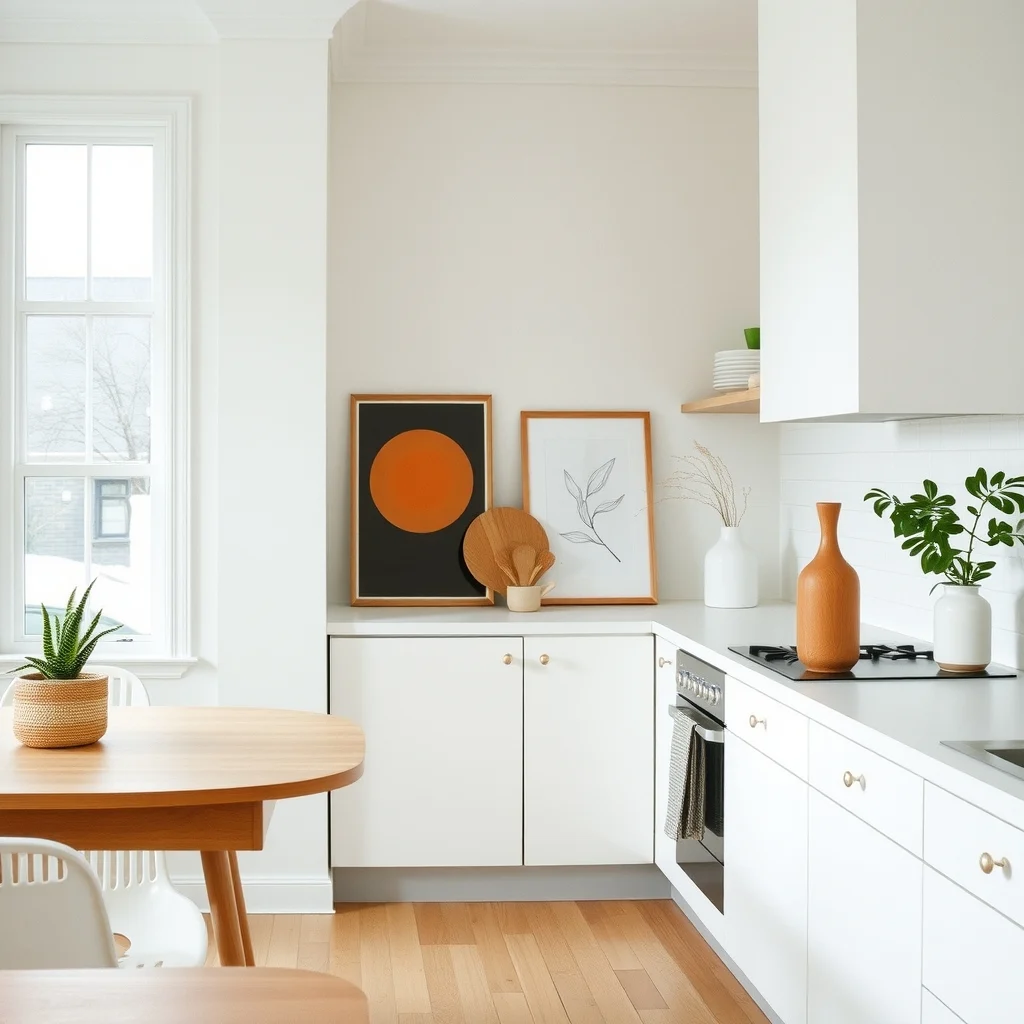
Minimalist kitchen organization is less about eliminating items and more about curating what remains. By focusing on clean lines, concealed storage, and thoughtful placement, each of the seven ideas above can transform a busy cooking space into a calm, efficient hub. Choose the concepts that resonate with your layout and lifestyle, and let the simplicity of each solution guide you toward a kitchen that feels both inviting and purposeful.