
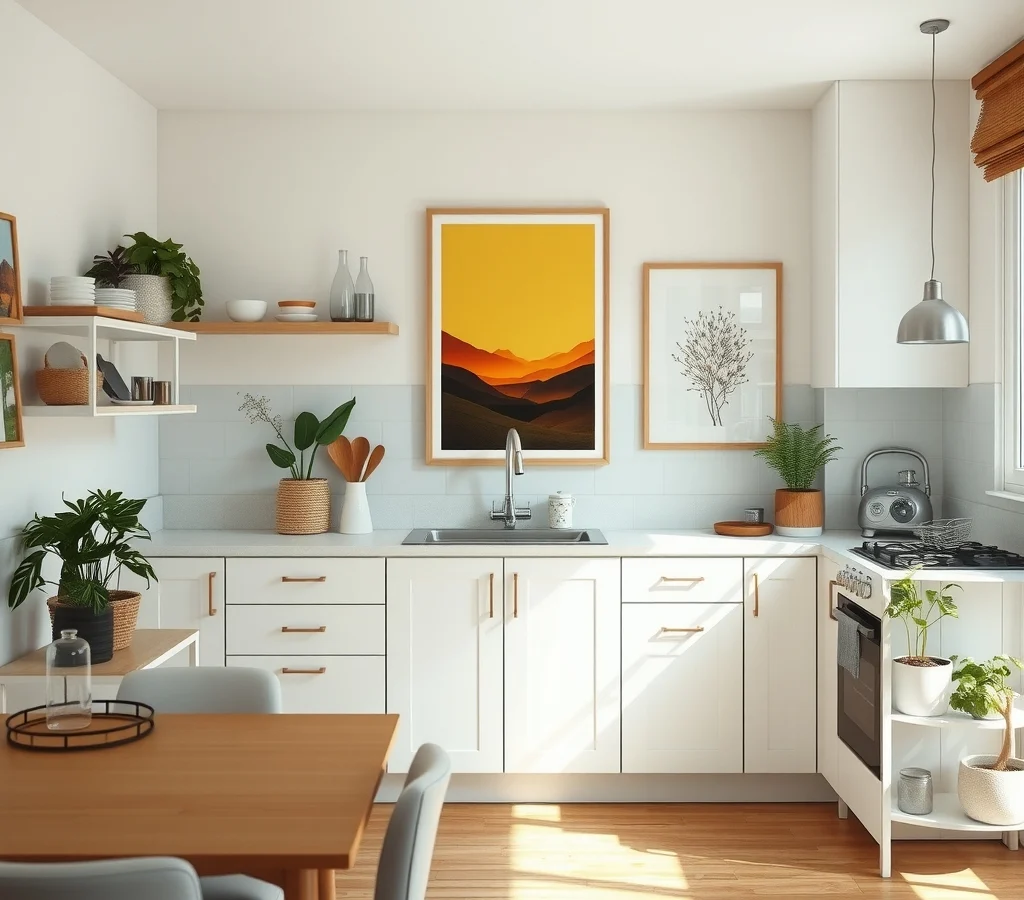
When the heart of the home looks tired, the whole house seems to sigh. A full remodel can be tempting, but a thoughtful series of small changes often delivers the same lift without draining the wallet. Below you’ll find seven distinct approaches that each target a different aspect of the kitchen—color, storage, light, texture, and layout. By mixing and matching these ideas you can create a space that feels purposeful and new, even if you’re working with a modest budget.
1. Give the cabinets a new coat of paint
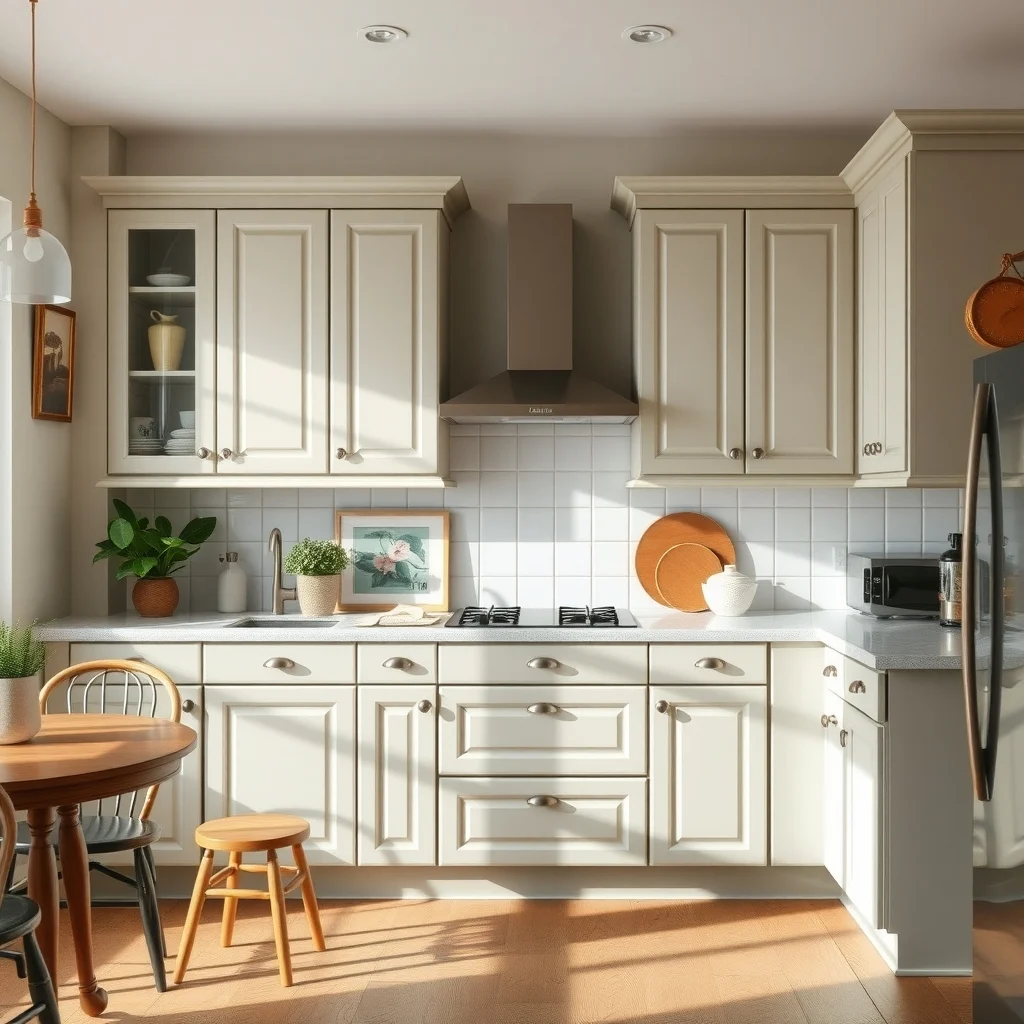
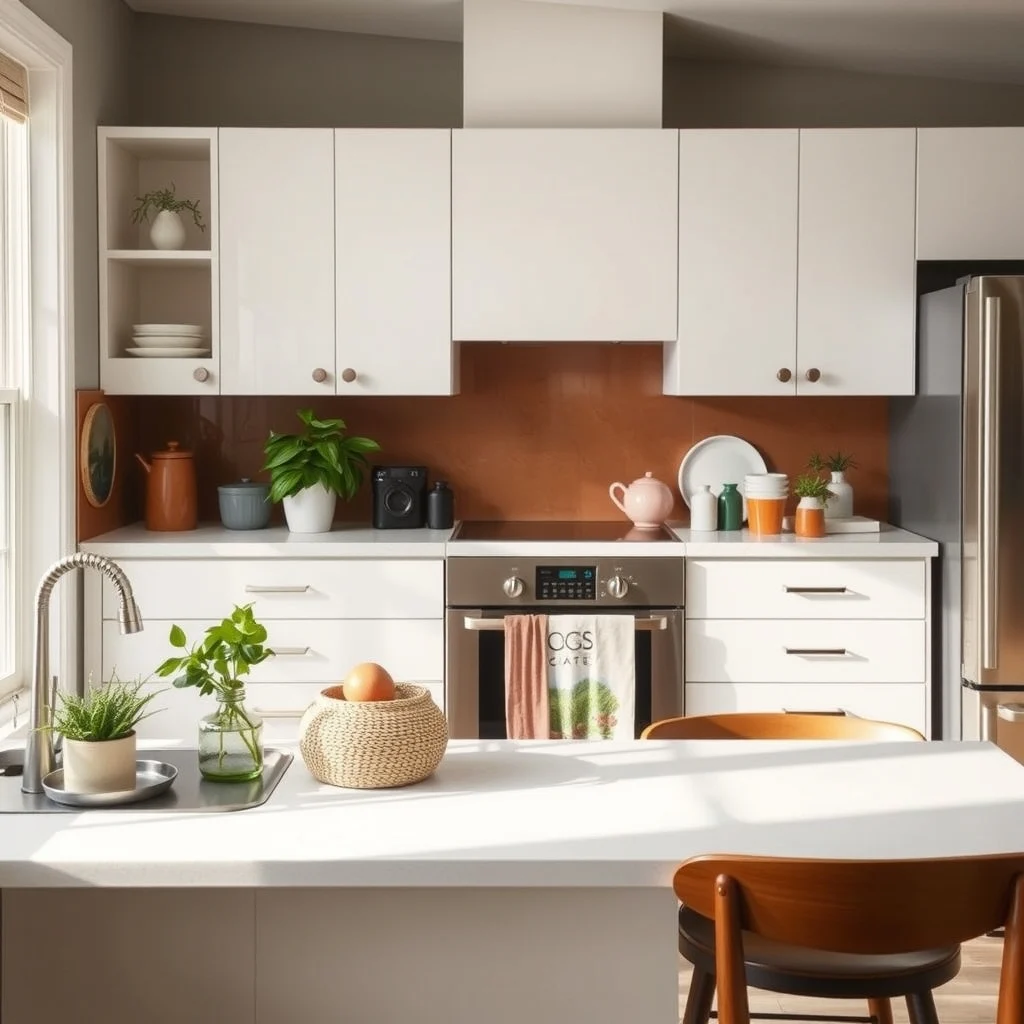
A fresh layer of paint can turn dated cabinets into a quiet statement piece. Choosing a soft greige or muted sage lets the room feel airy while still providing enough contrast to highlight the hardware. Before you begin, clean the surfaces thoroughly and sand any rough spots; a primer designed for laminate will help the color adhere without peeling. When the paint dries, the cabinets appear lighter and more modern, and the effort required is a fraction of the cost of new cabinetry. If you’re hesitant about a full‑cabinet makeover, start with just the upper cabinets—this creates a visual break and keeps the project manageable.
2. Install open shelving made from reclaimed wood
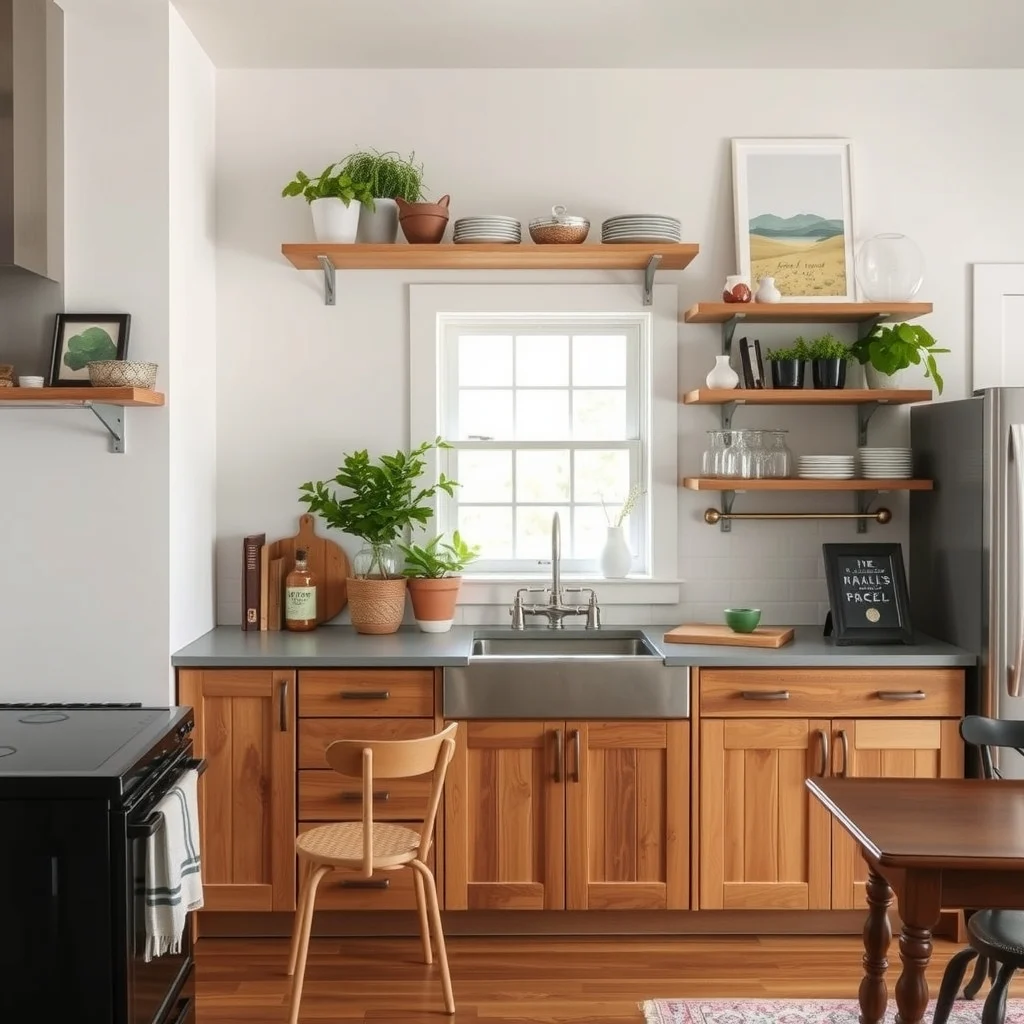
Replacing a couple of upper doors with floating shelves opens the wall to display everyday dishes, a few potted herbs, or a curated set of glassware. Reclaimed pine or salvaged barn boards add texture and a hint of history, while the open format makes the kitchen feel larger. Mount the boards securely with hidden brackets, then finish the surface with a clear sealant that resists splashes. The shelves become both storage and décor, inviting you to keep only the items you love on view. When space is limited, start with a single row above the sink; the impact is immediate without sacrificing much wall area.
3. Swap out cabinet hardware and add a magnetic knife strip

New knobs or pulls can change the tone of a kitchen in seconds. Brushed brass handles lend a warm, contemporary feel, whereas matte black knobs introduce a subtle industrial edge. Pair the updated hardware with a slim magnetic strip mounted on the backsplash; it frees drawer space and showcases your favorite knives as functional art. The strip is easy to install with adhesive backing, and it keeps blades within reach while keeping countertops clear. If you prefer a softer look, choose polished nickel pulls and a brushed stainless strip for a cohesive, low‑maintenance finish.
4. Layer lighting with pendant fixtures and under‑cabinet LEDs
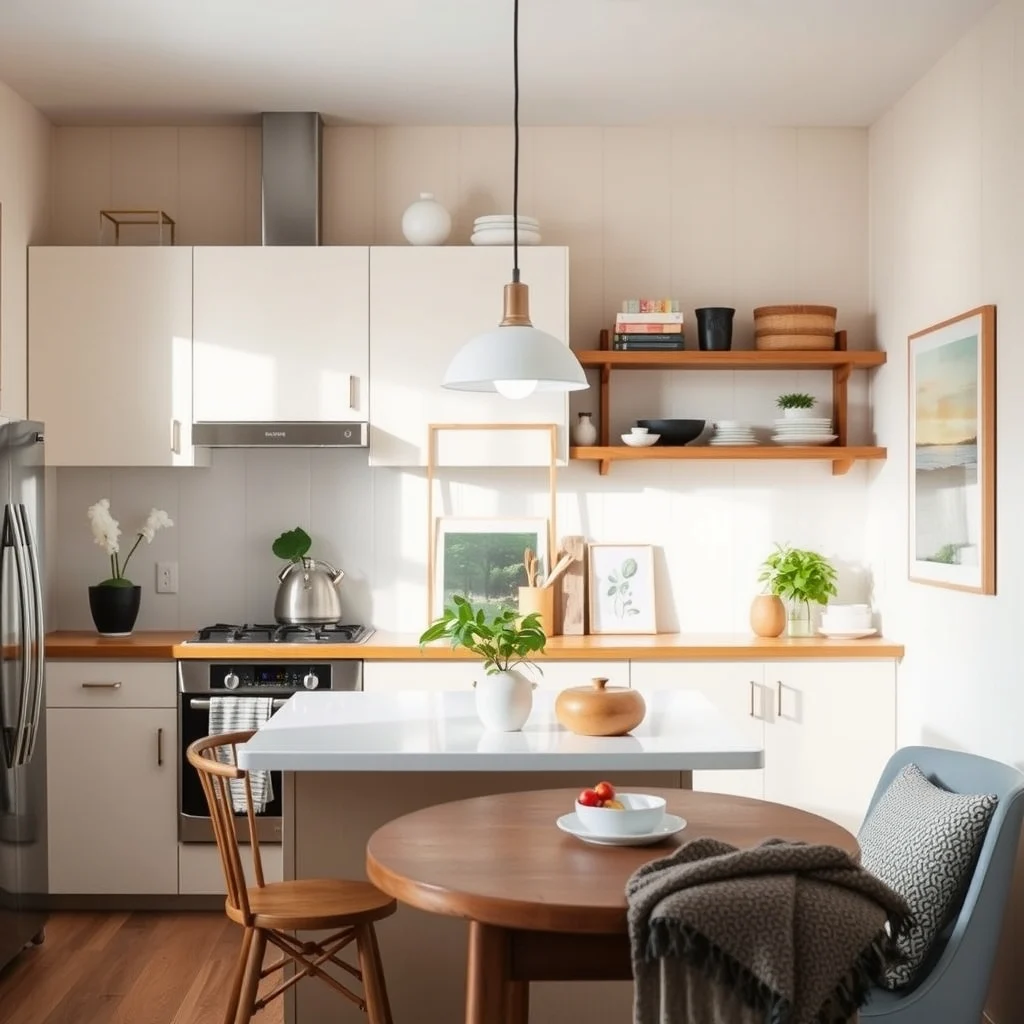
Good lighting does more than illuminate; it defines the mood of the kitchen. A single pendant lamp hung over the island or breakfast bar adds visual interest and creates a focal point without overwhelming the ceiling. Complement the pendant with warm‑tone LED strips tucked under the cabinets; these provide task lighting for chopping and make the countertop glow in the evenings. Both options are affordable, especially when you choose fixtures with simple designs and energy‑saving bulbs. If the ceiling height is low, opt for a shorter pendant or a semi‑flush mount to keep the space feeling open.
5. Apply a peel‑and‑stick backsplash in a subtle pattern
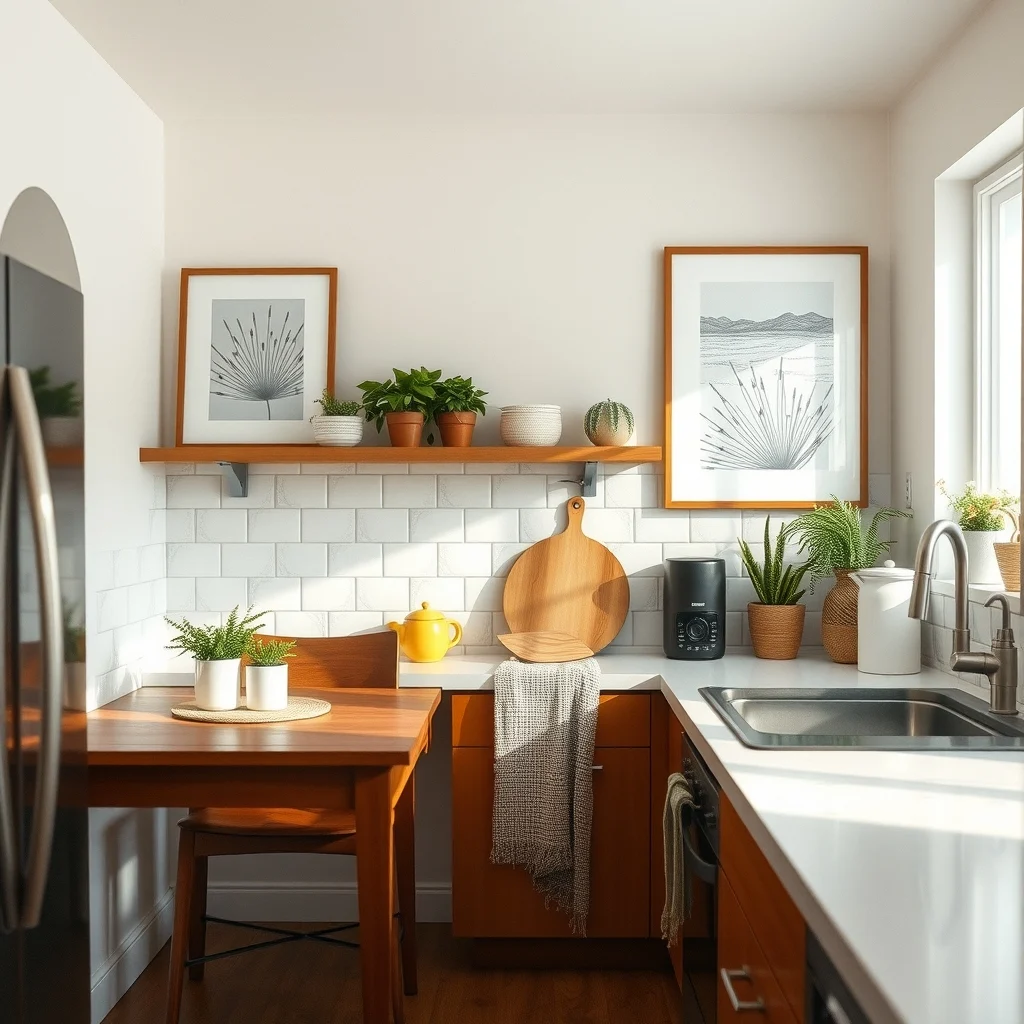
Tile can transform a wall, but the cost of material and installation adds up quickly. Peel‑and‑stick tiles give the same visual impact for a fraction of the price and can be installed in a weekend. Choose a pattern of matte white squares with a thin charcoal grout line for a modern, understated look, or select a soft hexagon design in muted blues for a hint of personality. The adhesive backing adheres well to smooth surfaces, and the tiles can be removed later without damaging paint. When you need a quick refresh, this solution offers durability and style without the mess of mortar.
6. Add a rolling kitchen cart for extra prep space

A compact, wheeled cart brings flexibility to a cramped layout. Look for a model with a butcher‑block top that can double as a cutting surface and a lower shelf for pantry items. The cart can be tucked against a wall when not in use, then rolled out for meal prep, serving, or a temporary coffee station. Because it’s mobile, you can rearrange the kitchen’s flow without committing to permanent changes. If floor space is at a premium, select a cart with a narrower profile and a single drawer to keep the footprint modest while still gaining valuable storage.
7. Introduce coordinated textiles and woven storage
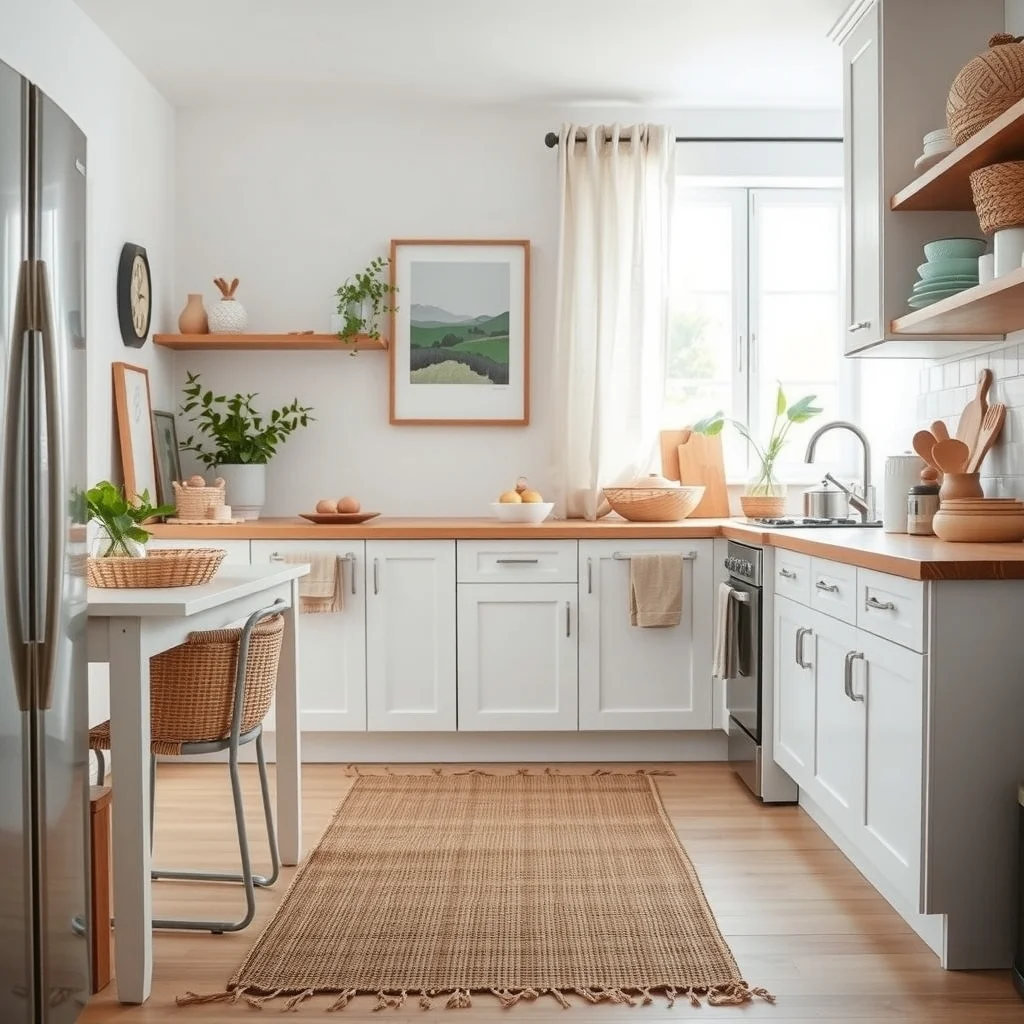
Soft elements like a runner rug, linen curtains, and woven baskets can warm a kitchen that feels too clinical. A runner in a natural jute tone adds texture underfoot and defines the cooking zone without competing with the floor’s finish. Pair the rug with simple cotton curtains that filter morning light, creating a gentle glow over the sink area. Woven baskets placed on open shelves or the cart provide a place for produce, napkins, or reusable bags, keeping the countertops tidy. When you need a quick refresh, swapping out the runner for a seasonal pattern can change the room’s character without a major investment.
Frequently Asked Questions
How can I paint laminate cabinets without them chipping?
Use a bonding primer designed for glossy surfaces, then apply a water‑based acrylic paint. A light sanding before priming improves adhesion, and applying two thin coats of paint reduces the risk of peeling.
What’s the best way to secure open shelves on a drywall kitchen?
Locate the studs and anchor the brackets directly into them. If studs aren’t available, use heavy‑duty drywall anchors rated for at least 20 lb per screw to ensure the shelves can hold dishes safely.
Are peel‑and‑stick tiles suitable for areas near the stove?
They work well on backsplashes that stay away from direct heat. Keep the tile at least six inches from the burner edge; the adhesive can soften if exposed to high temperatures for prolonged periods.
Can I install under‑cabinet LED strips myself?
Yes, most LED strips come with adhesive backing and simple plug‑in connectors. Just measure the length you need, clean the underside of the cabinet, and press the strip into place, then hide the power cord along the cabinet’s edge.
Final Thoughts
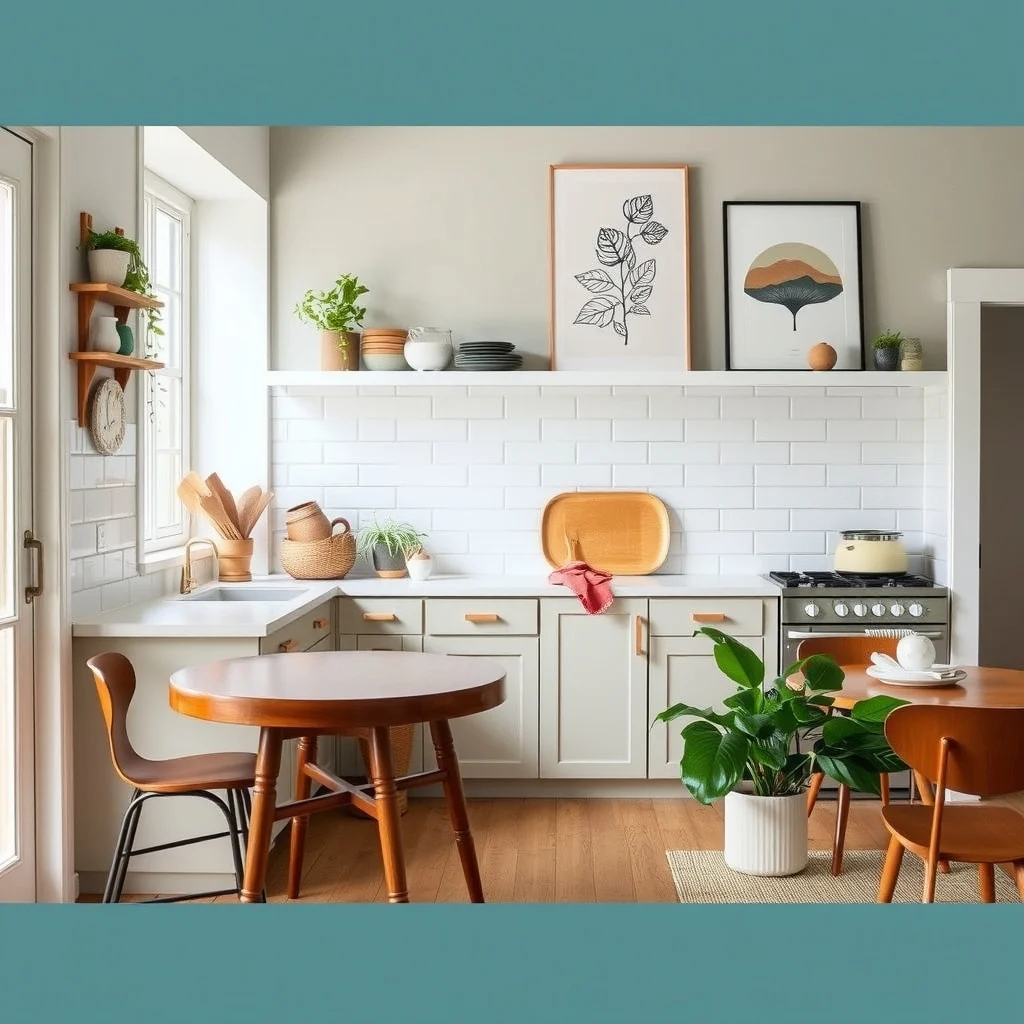
Refreshing a kitchen doesn’t require a full demolition; a handful of thoughtful updates can reshape the room’s personality and function. By choosing one or two of the ideas above—whether it’s a fresh coat of paint, a new lighting layer, or a modest textile touch—you’ll see a noticeable difference without overspending. Remember that each change should serve both aesthetics and everyday use, ensuring the space feels welcoming long after the project is complete.