

Walking into a home is the first moment a guest forms an opinion about the space. A cluttered hallway can feel chaotic, while a thoughtfully arranged entryway welcomes and sets the tone for the rooms beyond. Below are seven distinct approaches that combine practical storage with visual appeal, allowing you to curate an entrance that feels both functional and inviting. Each idea can be adapted to different floor plans, budgets, and personal styles, so you can choose the one that resonates most with your home.
1. Streamlined Console with Hidden Compartments
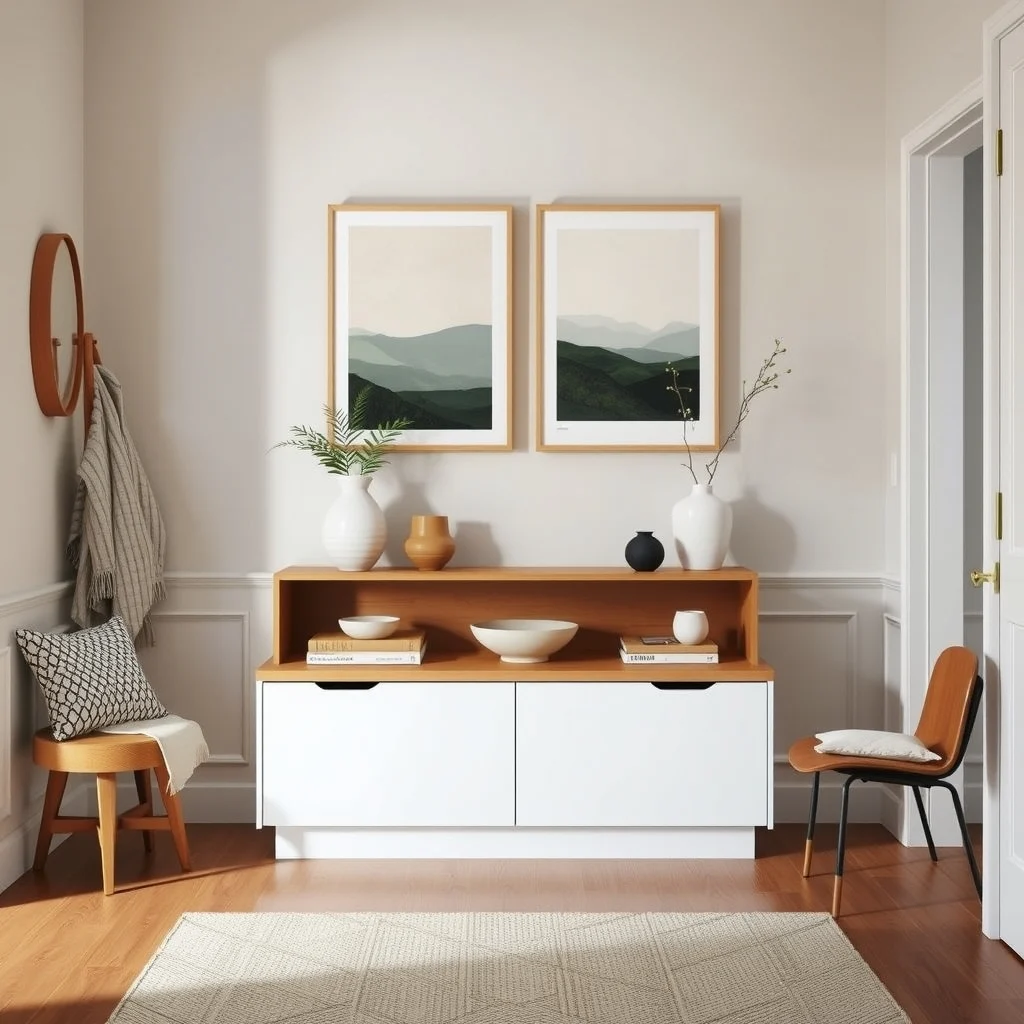
A low console table placed against the wall creates a natural surface for keys, mail, and decorative pieces without obstructing traffic flow. Opt for a piece finished in warm oak or matte white lacquer; the clean lines keep the space feeling open, while the material adds a subtle sense of warmth. Many consoles feature drawers or a concealed cabinet—perfect for stashing seasonal scarves or a small basket of shoes. Pair the table with a narrow metal tray for daily essentials; the tray can be removed when you need extra room for a decorative vase or a framed botanical print. This arrangement works well in narrow foyers where floor space is limited, and the hidden storage helps maintain a tidy appearance. If a full console feels too large, a wall‑mounted floating shelf with a single drawer offers a similar effect with even less footprint.
2. Curved Bench with Integrated Baskets

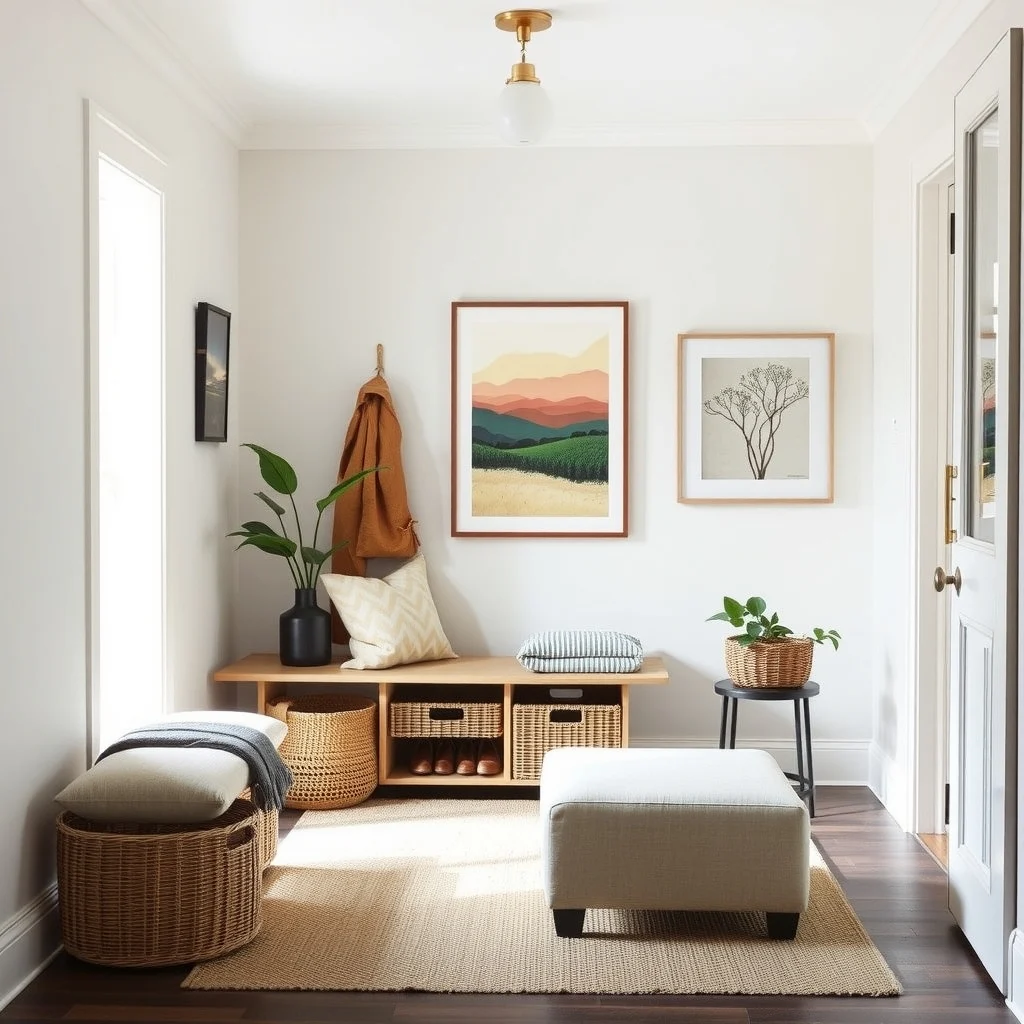
A gently curved bench offers a place to sit while you slip on shoes, and the curve naturally guides the eye toward the rest of the entryway. Choose upholstery in a muted linen in soft greige or muted sage; the texture invites you to linger without overwhelming the space. Beneath the seat, built‑in wicker baskets provide discreet compartments for umbrellas, gloves, or a small tote. The combination of solid wood legs and natural fibers adds depth, balancing softness with structure. This setup is especially appealing in homes that favor a relaxed, lived‑in feel. For tighter spaces, a bench without the baskets can be paired with freestanding woven bins that slide underneath, preserving the same layered look while allowing you to rearrange the storage as needed.
3. Gallery Wall Anchored by a Narrow Shelf
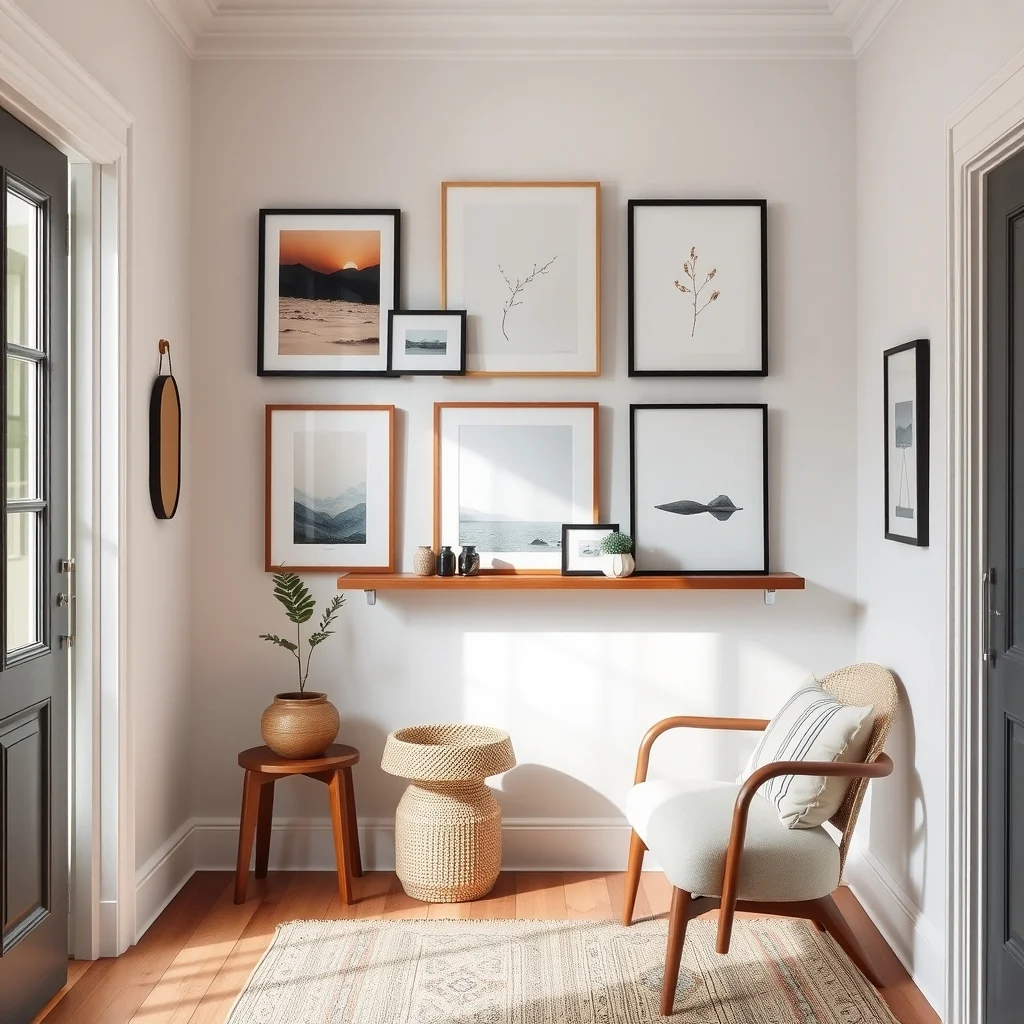
When wall space is abundant but floor space is scarce, turning the wall into a curated display can make the entryway feel purposeful. Install a narrow floating shelf—about six inches deep—in a finish that matches or subtly contrasts the surrounding trim. Arrange a few select pieces such as a ceramic bowl for keys, a small potted succulent, and a framed abstract print. The shelf serves as a functional ledge while the surrounding wall becomes a gallery that reflects your personality. Choose artwork in muted tones with a hint of color to avoid visual clutter. This approach works best in entryways that receive natural light, as the light will highlight the textures on the shelf and the objects placed upon it. If the wall is too short for a full shelf, a series of small ledges at staggered heights can achieve a similar layered effect.
4. Multi‑Tiered Coat Rack with Decorative Hooks
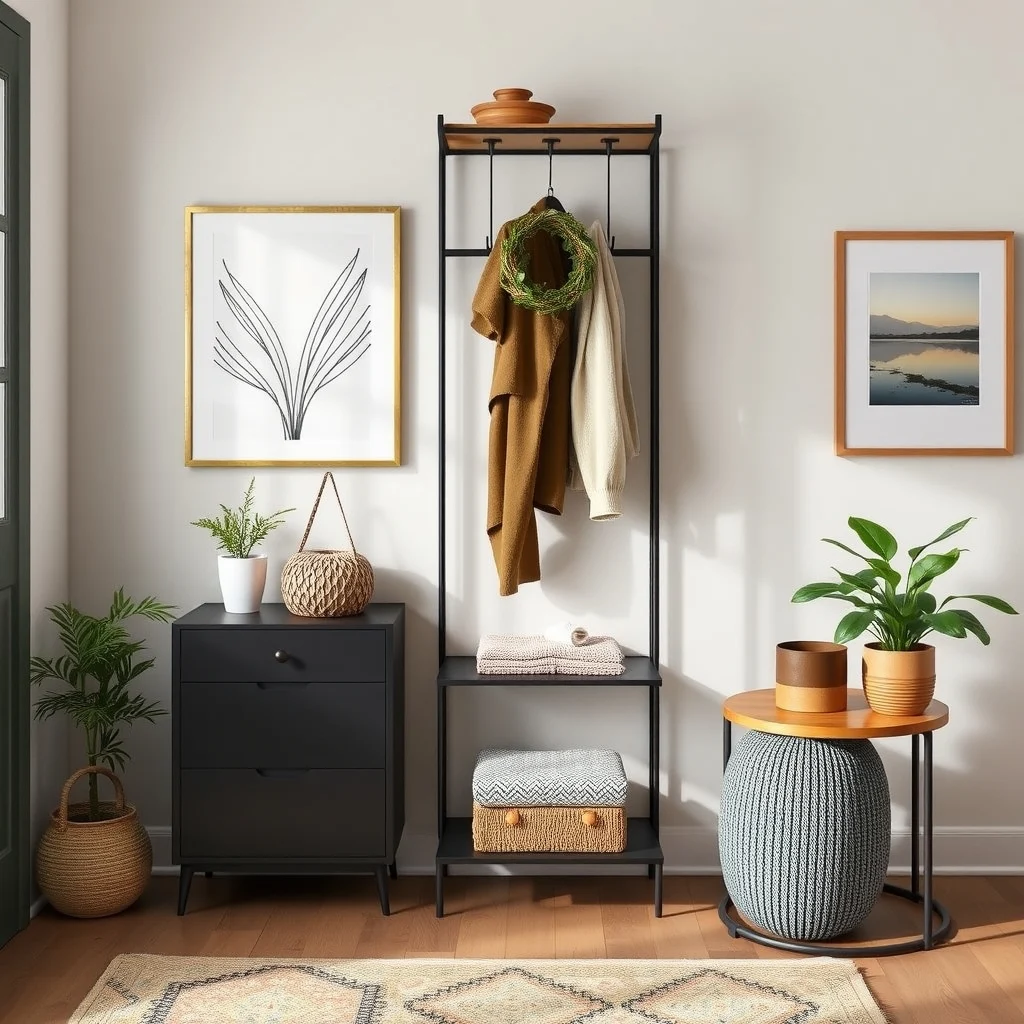
A coat rack that rises vertically makes use of otherwise unused height, freeing floor space for other elements. Look for a metal frame finished in brushed brass or matte black; the sleek profile adds a modern edge. Attach a mix of simple S‑shaped hooks and a few uniquely shaped ones—perhaps a leaf or geometric form—to create visual interest while still providing ample hanging spots. Position a slim runner rug beneath the rack to define the area and soften footsteps. This configuration suits entryways that serve as a primary drop‑off point for coats, bags, and hats. When space is limited, a wall‑mounted version with a single row of hooks can deliver the same organizational benefit without occupying floor area.
5. Light‑Filtering Lanterns Paired with a Small Table
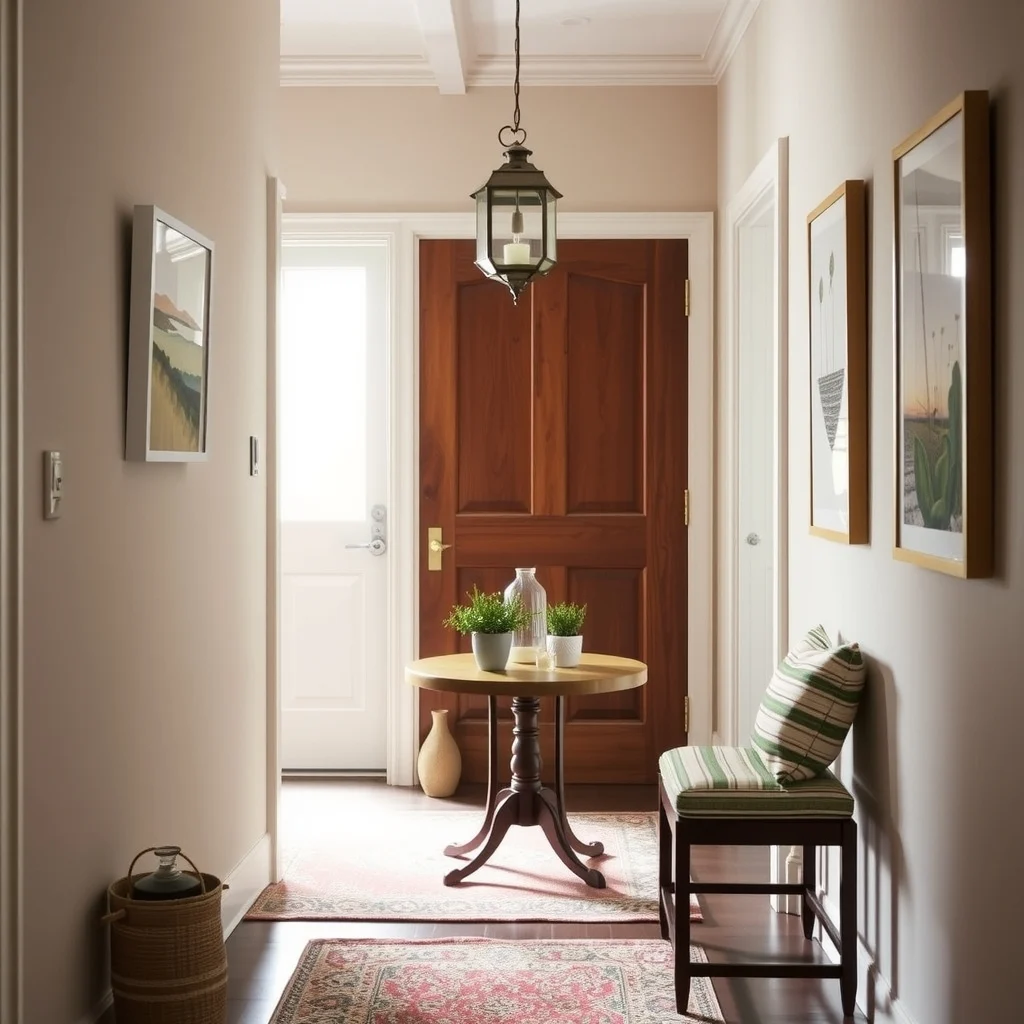
Soft illumination can transform a hallway from a functional passage to a welcoming foyer. Place a modest round table—perhaps a reclaimed pine piece with a natural edge—near the door, and set a pair of fabric‑covered lanterns on its surface. The lanterns diffuse light gently, creating a warm glow that highlights the table’s texture without overwhelming the space. Choose fabrics in ivory or muted amber; they filter the light while adding a tactile element. This arrangement works well in homes where the entryway leads directly into a larger living area, as the light helps bridge the transition. If a table feels intrusive, a narrow console or a set of stacked wooden crates can hold the lanterns and still provide a surface for a small tray of keys or a decorative bowl.
6. Built‑In Nook with Open Shelving and a Floor Mirror
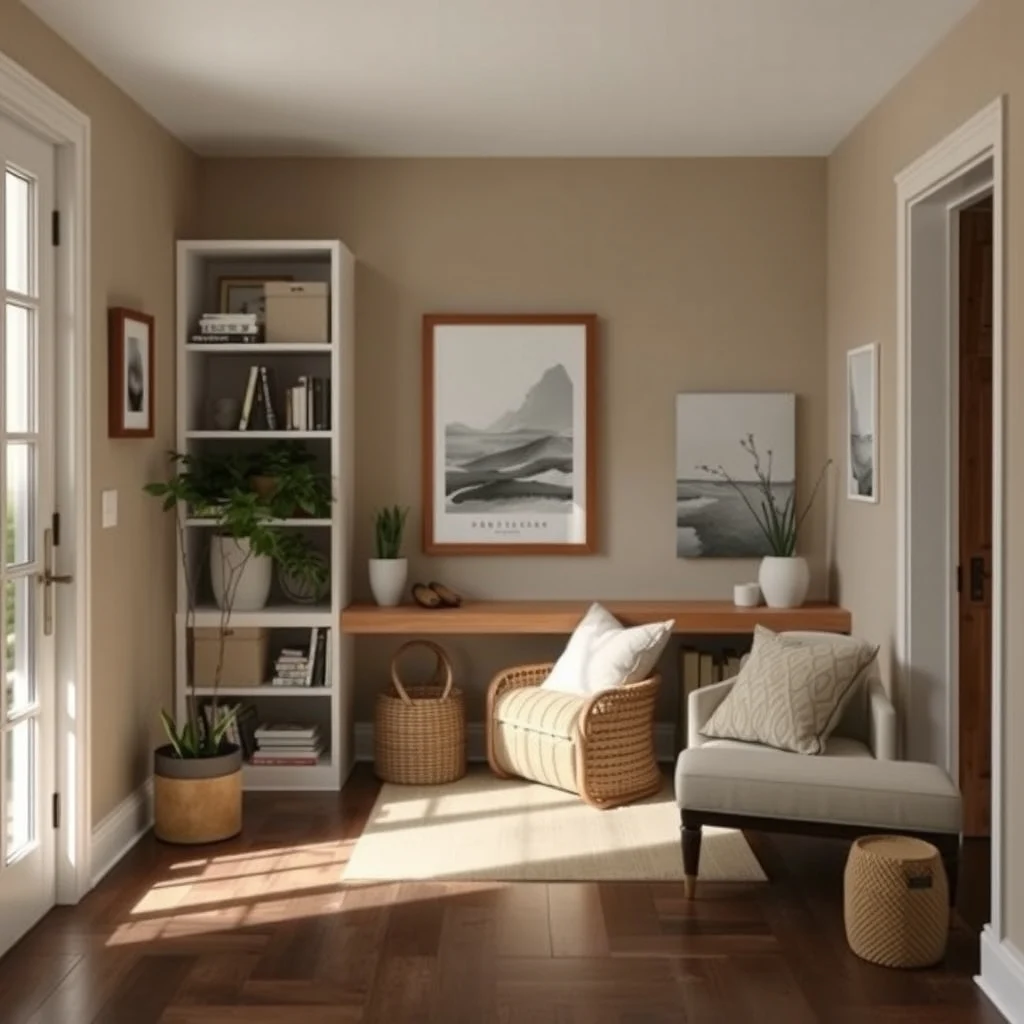
In larger entryways, carving out a small built‑in niche can become a focal point that blends storage with style. Install open shelving that stretches from floor to just below the ceiling, using reclaimed wood planks for a rustic feel or painted plywood for a contemporary look. Fill the lower shelves with baskets for shoes or a stack of neatly folded blankets, and place a decorative tray on the middle shelf for daily essentials. Above the shelves, hang a full‑length floor mirror with a slim metal frame; the mirror reflects natural light, making the hallway feel more expansive. This design is ideal for homes with a grand entrance, offering both practical storage and an elegant visual anchor. If construction of a built‑in is not feasible, a freestanding shelving unit with a similar height can mimic the effect while remaining portable.
7. Minimalist Wall‑Mounted Drop‑Box with a Statement Rug

For entryways that demand a sleek, contemporary vibe, a wall‑mounted drop‑box provides a discreet place to deposit mail, keys, or small parcels. Choose a box in matte charcoal or deep navy, with a simple rectangular silhouette that aligns with the wall’s geometry. The box’s clean surface keeps clutter out of sight, while the act of dropping items into it becomes a habit that reduces mess. Complement the box with a statement runner rug—perhaps a hand‑woven pattern in muted earth tones—that adds texture and a pop of personality without competing with the minimalist aesthetic. This pairing works well in urban apartments where space is at a premium and a refined look is desired. If you prefer a softer approach, a wooden box with a brushed finish can provide the same function while adding a touch of warmth.
FAQ
How can I keep my entryway tidy if I have a lot of shoes?
Use a bench with built‑in baskets or a low storage ottoman to hide shoes out of sight. Adding a narrow shoe rack beside the bench provides an extra slot for daily wear, keeping the floor clear.
What lighting works best for a dark hallway?
Layered lighting works best; combine a wall‑mounted sconce with a small table lamp on a console. The sconce adds directional light, while the lamp creates a softer ambience that reduces shadows.
Can I incorporate greenery without making the space feel crowded?
Choose a single medium‑sized plant in a simple pot and place it on a floating shelf or beside a console. The plant adds life without dominating the entryway.
Is it okay to have a rug in a high‑traffic entryway?
Yes, as long as the rug has a low pile and a durable backing. Natural fibers like jute or tightly woven cotton handle foot traffic well and can be cleaned with a vacuum.
How do I choose the right size for a console table?
Measure the width of the entryway and leave at least 24 inches of clearance in front of the table for easy movement. The depth should not exceed 12 inches in narrow spaces, while wider foyers can accommodate a deeper piece.
Final Thoughts

Creating an entryway that feels organized and inviting does not require a complete overhaul; thoughtful placement of storage, lighting, and decorative touches can make a lasting impression. Whether you favor a sleek wall‑mounted solution or a cozy bench with hidden compartments, each of the seven ideas offers a pathway to a more welcoming threshold. Consider the flow of traffic, the amount of natural light, and the personality you want to convey, then select the elements that align with those factors. A well‑curated entryway welcomes guests, eases daily routines, and sets the stage for the rest of your home.