
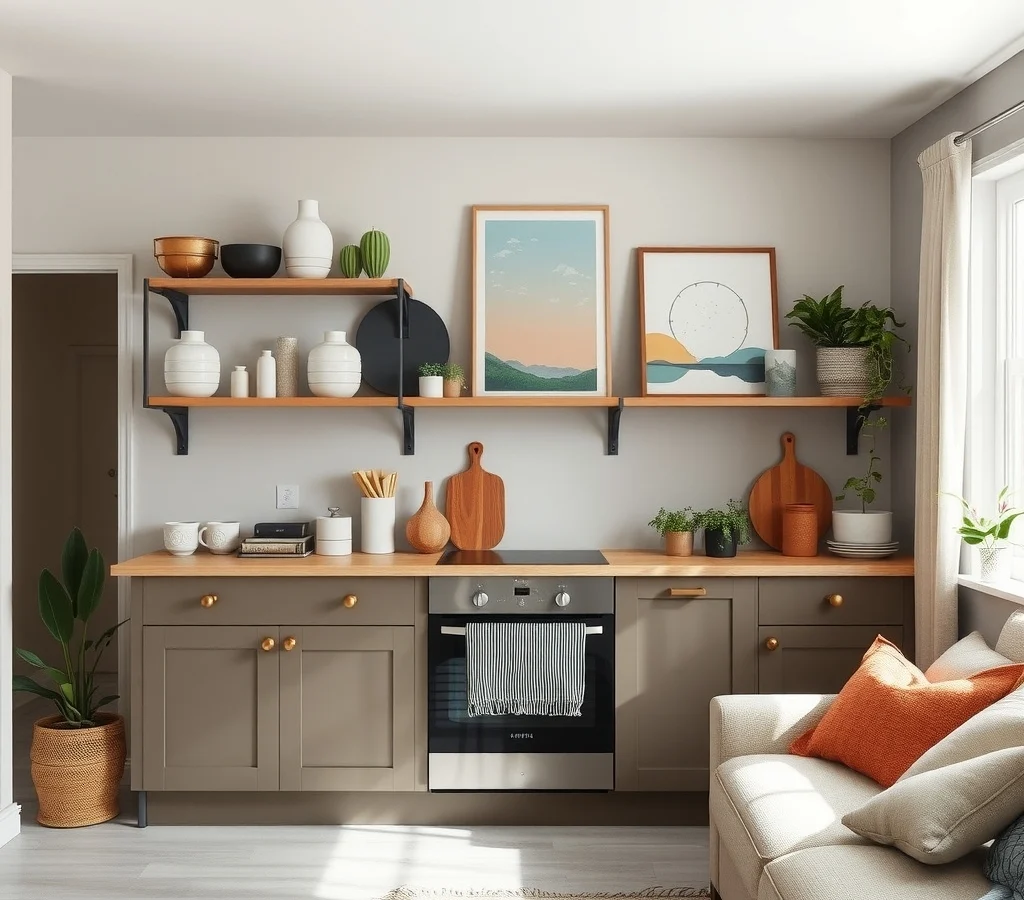
Living in a rental often means you can’t hammer a nail into the wall, yet you still want a place to display dishes, keep pantry items within reach, or add a decorative touch. The good news is that clever, non‑permanent shelving solutions can give a kitchen personality without jeopardizing a security deposit. Below are seven distinct approaches that work in a range of layouts, budgets, and style preferences. Each idea explains the overall feel, how to assemble it, and where it shines most.
1. Tension‑Rod Shelf Across the Window Frame

A simple steel tension rod, the kind used for curtains, can become a sleek, floating shelf when you place a wooden board on top. Choose a board finished in light oak or whitewashed pine; the natural grain adds warmth while the rod stays hidden behind the board’s edge. The shelf spans the width of the window frame, creating a narrow ledge perfect for herbs in small pots, a row of spice jars, or a few decorative mugs. Because the rod relies on pressure rather than screws, it won’t damage the frame, and it can be removed in seconds when you move out. This solution works best in kitchens with a clear window that receives morning light, allowing the board to catch sunlight and become a subtle focal point. If the window is unusually tall, a second rod can be added a few inches below to increase depth without sacrificing stability.
2. Magnetic Strip Gallery on the Backsplash

Many backsplashes are covered with tile, stainless steel, or painted drywall—surfaces that readily accept strong magnetic strips. By affixing a thin stainless‑steel strip along the lower third of the backsplash, you create a gallery for metal hooks, magnetic spice tins, and even small copper pots. The metallic sheen of the strip mirrors the kitchen’s existing hardware, while the floating arrangement keeps countertops clear. Arrange the magnets in a staggered pattern for visual interest, grouping similar items together for easy access. This method is particularly effective in modern kitchens with a monochrome palette, where the subtle gleam adds a hint of industrial charm. If the backsplash is painted, test a small area first to ensure the adhesive on the strip does not leave residue.
3. Over‑Door Hanging Rack for Dry Goods
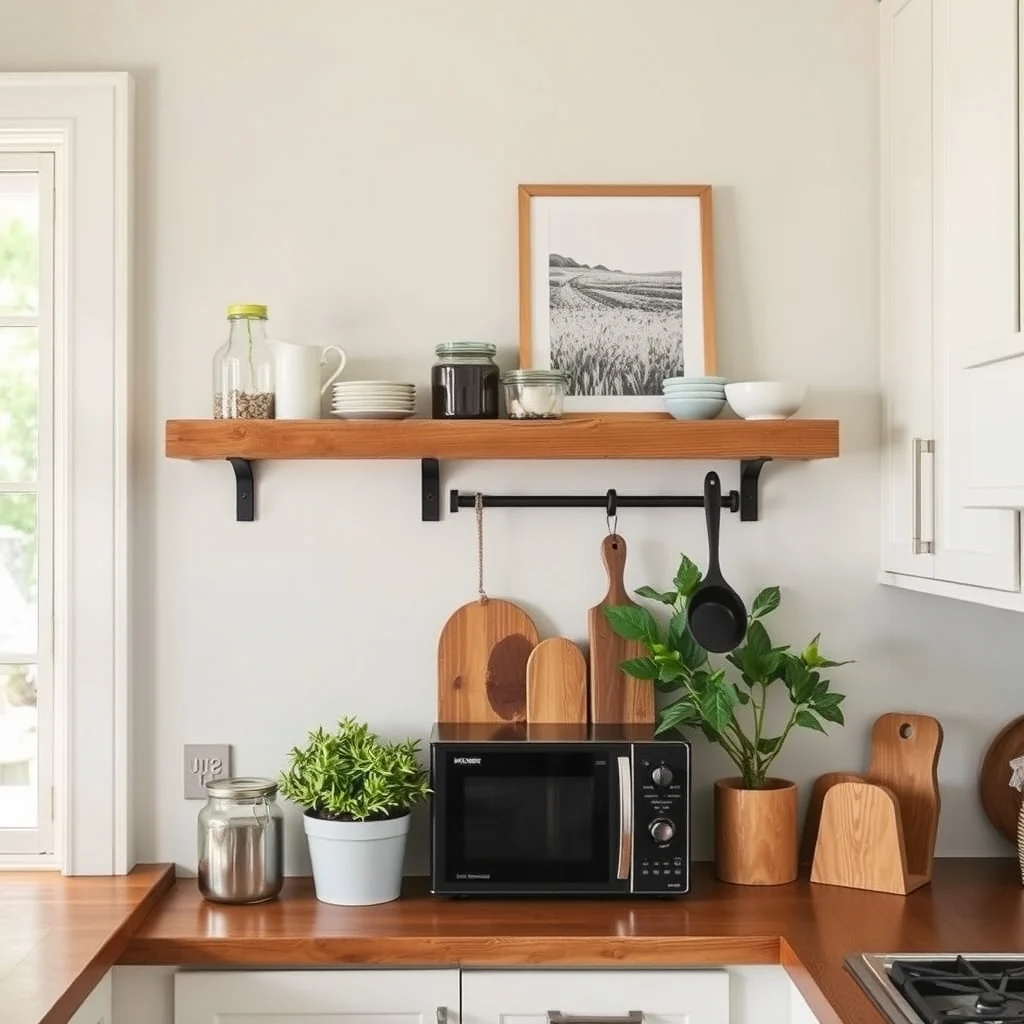
Cabinet doors often have a flat surface that can support an over‑door rack without any drilling. Choose a rack made from reclaimed wood with metal brackets that hook over the top edge of the door. The natural patina of reclaimed wood adds character, while the metal brackets provide sturdy support for pantry staples like bags of rice, flour, or cereal boxes. Position the rack so the heaviest items sit closest to the hinge, reducing strain on the brackets. This arrangement frees up shelf space inside the cabinet and makes everyday ingredients visible at a glance. It works especially well in smaller kitchens where interior cabinet space is at a premium. For a lighter look, opt for a rack with a whitewashed finish that blends with light‑colored cabinets.
4. Freestanding Ladder Shelf in the Corner
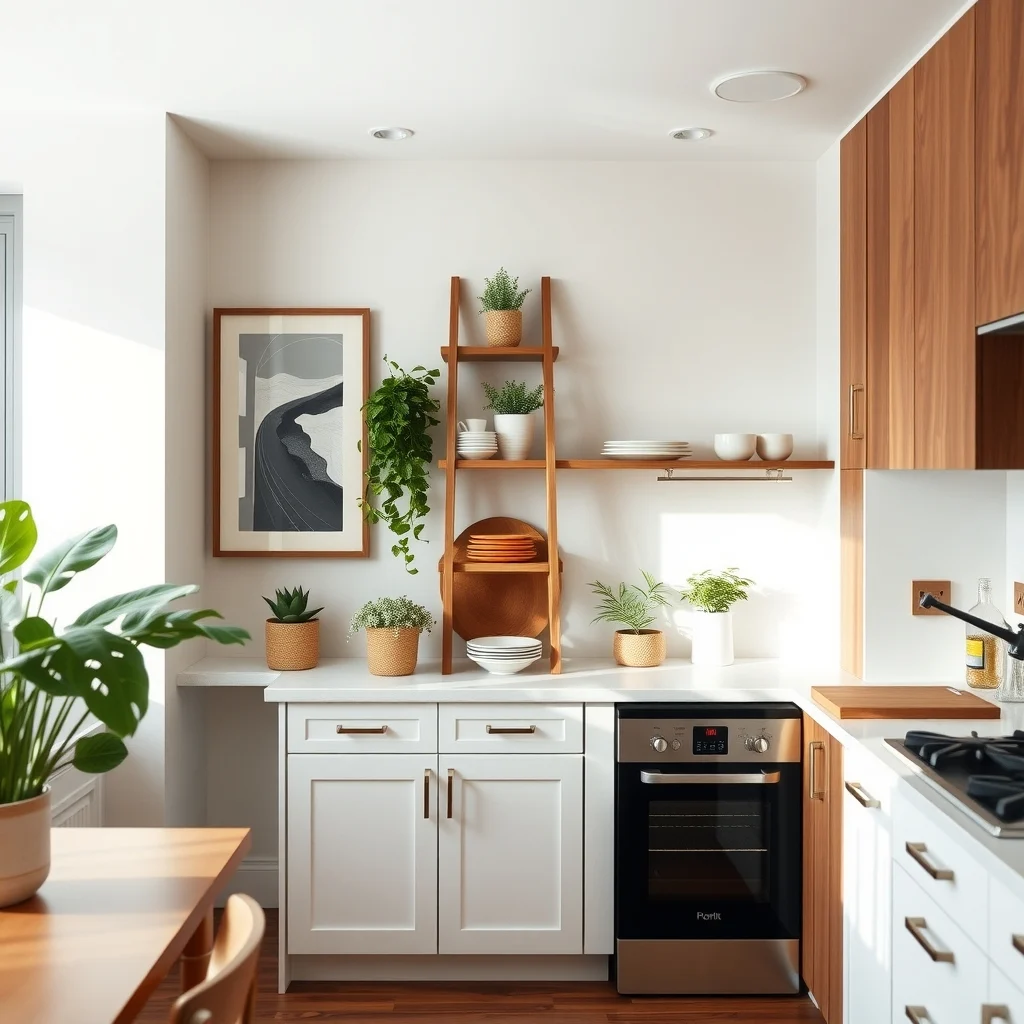
A compact wooden ladder, finished in natural walnut or painted matte black, can serve as a freestanding shelving unit when placed in an unused corner. The ladder’s rungs become shelves for cookbooks, decorative bowls, or a small indoor herb garden. Because the ladder leans against the wall without any hardware, it can be repositioned whenever you wish. Adding a few fabric baskets to the lower rungs introduces texture and helps conceal smaller items. This approach adds vertical interest and makes use of corner space that often goes unnoticed. It is ideal for renters who enjoy a slightly rustic aesthetic but need the flexibility to move furniture around. If ceiling height is limited, choose a shorter ladder to avoid crowding the room.
5. Adhesive‑Backed Tile Shelf for a Pop of Pattern
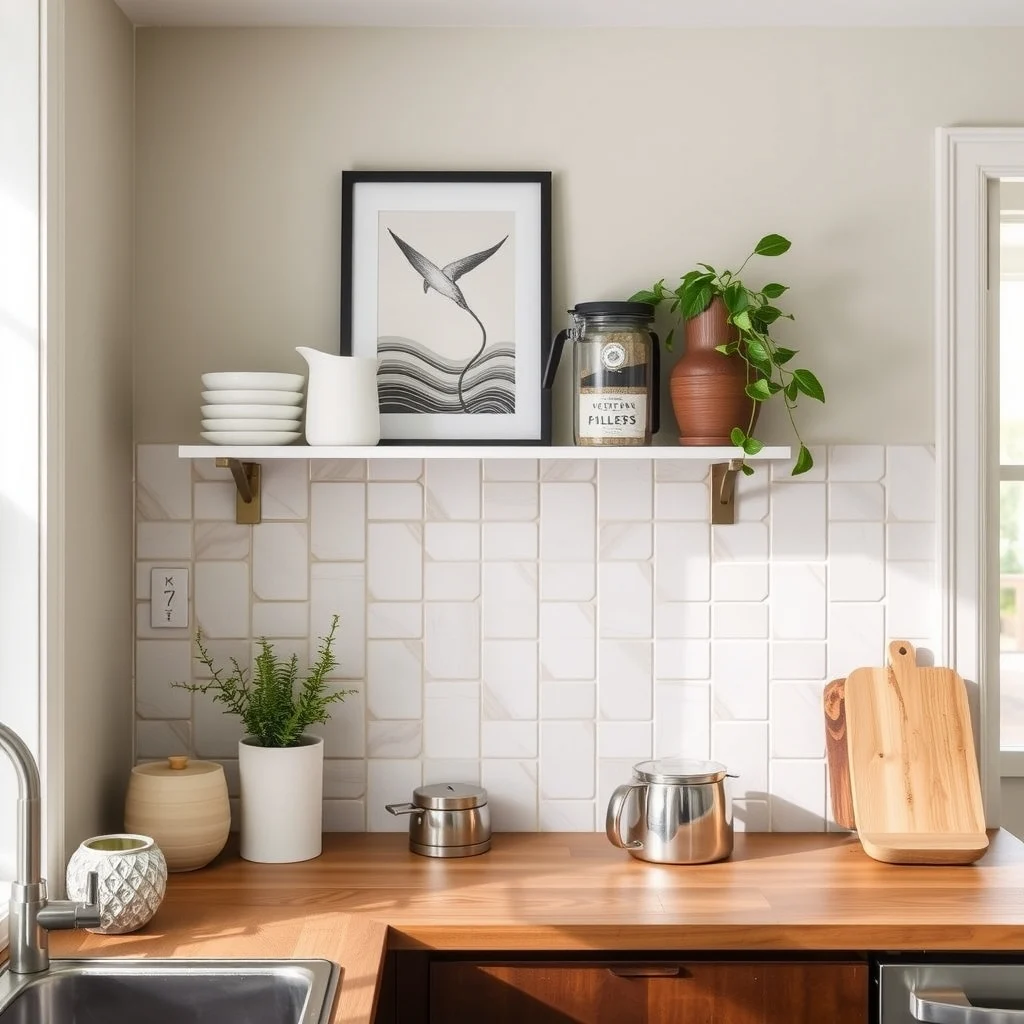
Self‑adhesive tiles, available in a variety of patterns such as Moroccan chevron or subtle marble, can be applied directly to a wall to create a shallow shelf. After selecting a tile that complements the kitchen’s color scheme, peel off the backing and press it onto a clean, dry surface. The tile’s lip forms a ledge where you can place a slim row of glass jars, a decorative bowl, or a few vintage kitchen tools. The adhesive is designed for temporary use, making removal straightforward and leaving minimal residue. This method adds visual intrigue without permanent alteration, and the pattern can echo other design elements like a backsplash or countertop. It works best in areas where the wall receives moderate light, allowing the tile’s design to be appreciated without glare.
6. Repurposed Wooden Crate Stack
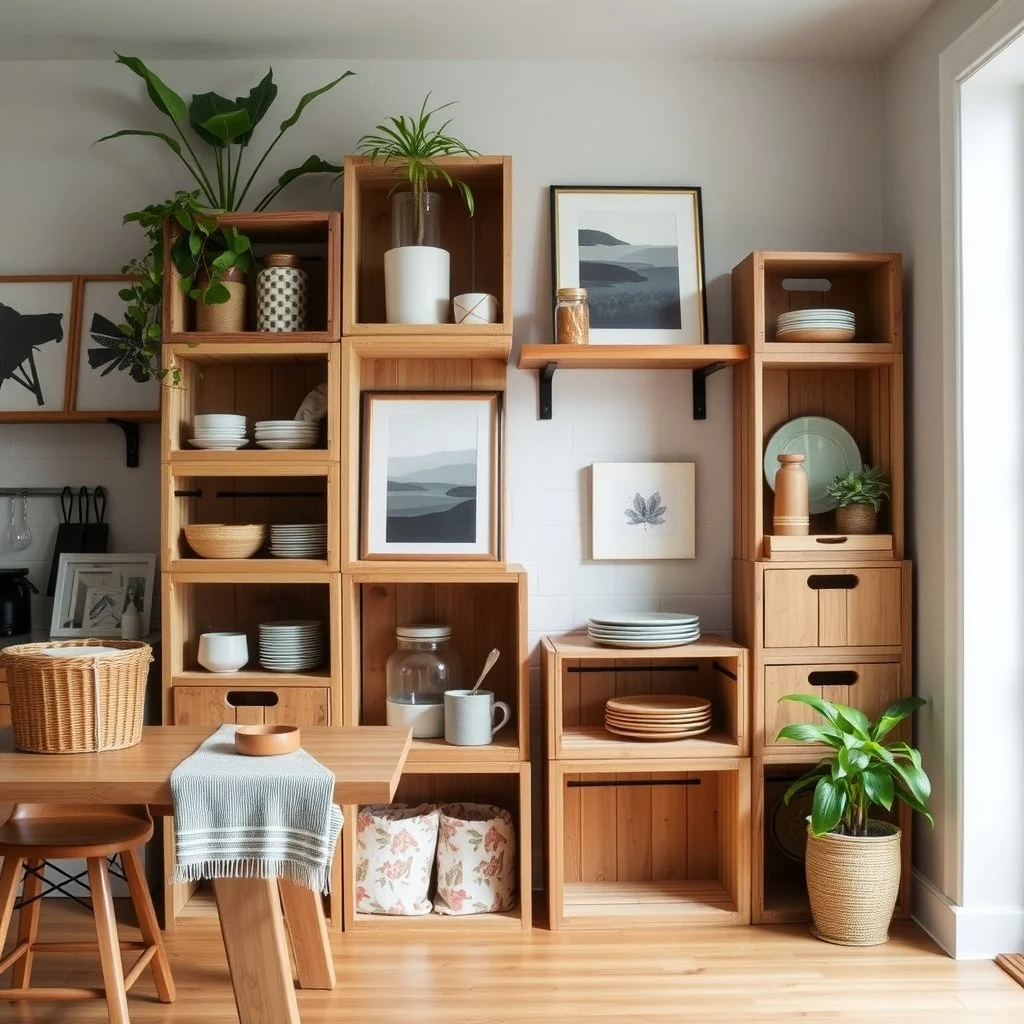
Old wooden crates, often found at farmer’s markets or thrift stores, can be stacked to form a modular shelving system. Select crates with a uniform size and finish; a natural pine that has been lightly sanded and sealed works well with most kitchen palettes. Arrange two crates side by side at the base, then place a third on top, offsetting it slightly for a staggered look. The open front of each crate provides easy access to pantry items, while the top crate can hold a decorative tray of candles or a small potted plant. Because the crates are not attached to the wall, they can be moved or re‑configured as your needs change. This solution brings a touch of farmhouse charm and is especially suited to kitchens with a neutral backdrop that allows the wood’s grain to stand out.
7. Lean‑On‑Floor Shelf with Brackets
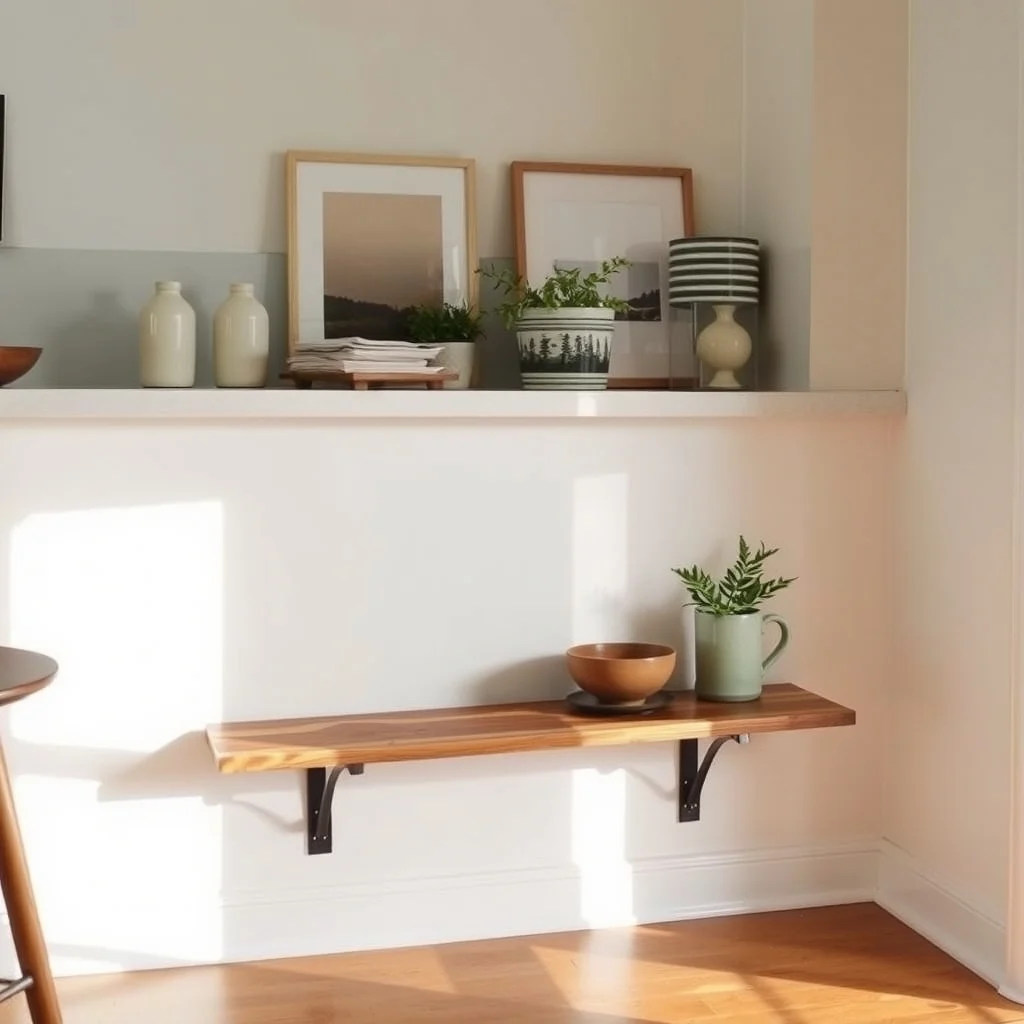
A simple wooden board, such as a reclaimed barn plank, can be supported by two decorative metal brackets that sit directly on the floor. Position the brackets a few inches apart, then rest the board on them, angling the front slightly upward to create a functional ledge. The board’s length can be adjusted to fit the space between the countertop and the wall, providing a narrow shelf for spices, a cutting board, or a small fruit bowl. The metal brackets add an industrial touch that contrasts nicely with the warm wood, and because they rest on the floor, no wall attachment is required. This approach is perfect for renters who want a sturdy, yet temporary, storage surface that can be lifted and taken with them when the lease ends.
FAQ
Can I use adhesive hooks on painted walls without damaging the paint?
Yes, adhesive hooks designed for temporary use typically remove cleanly from painted surfaces. Test a small, inconspicuous area first to ensure the adhesive does not lift paint when removed.
What weight can tension‑rod shelves safely hold?
Tension‑rod shelves are best for lightweight items such as herbs, small dishes, or decorative objects. Heavier cookware may cause the rod to slip, so keep the load under a few pounds per foot of shelf.
Are magnetic strips safe to use near the stove?
Magnetic strips themselves do not conduct heat, but keep them at least a few inches away from open flames or high‑heat burners to avoid any accidental contact with hot surfaces.
How do I prevent wooden crates from wobbling on uneven floors?
Place small felt pads or rubber grippers under the crate corners; they level the base and protect the floor while reducing movement.
Do over‑door racks affect the door’s ability to close properly?
When installed correctly, over‑door racks sit on the top edge and do not interfere with the hinge or latch. Ensure the rack’s width is slightly less than the door’s height to maintain a smooth closing action.
Final Thoughts
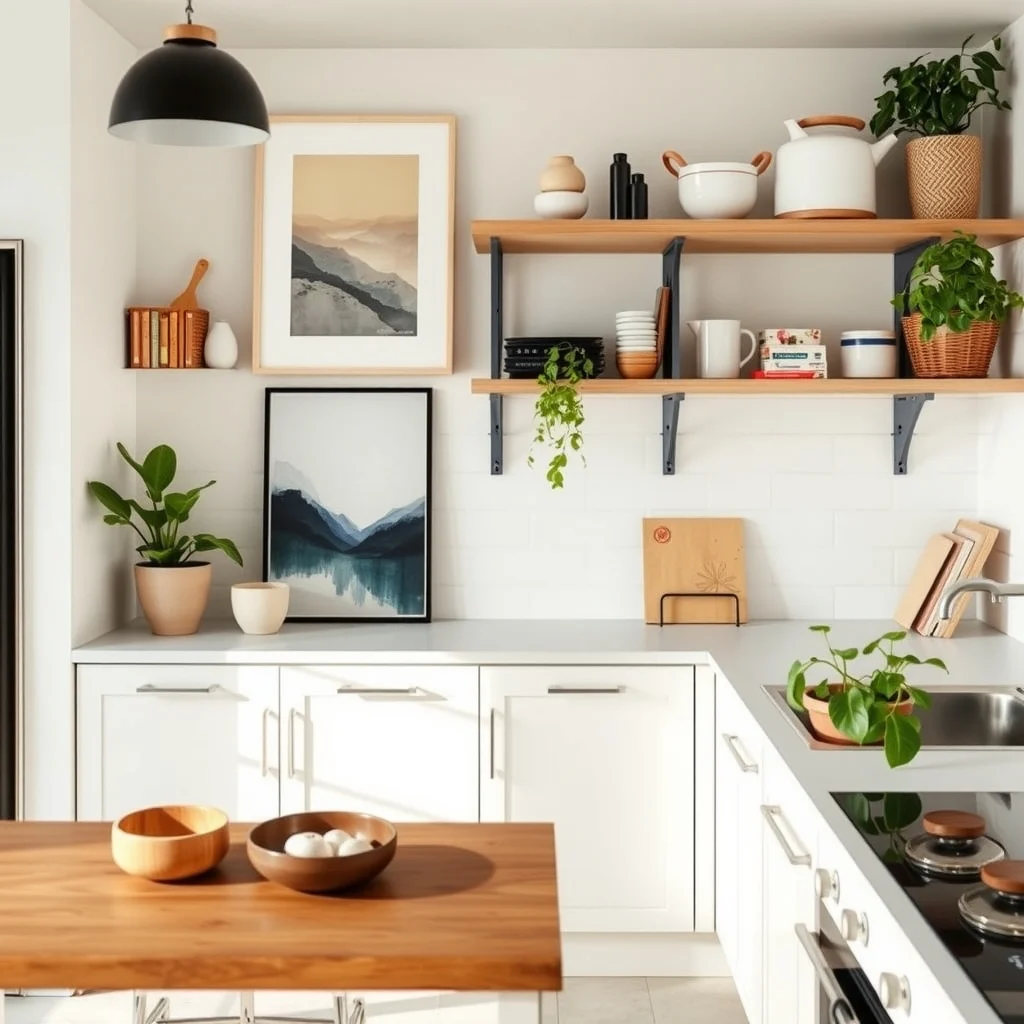
Finding storage solutions that respect a landlord’s rules can feel like a puzzle, but the options above show that creativity often trumps permanence. By focusing on tension, magnetic attraction, freestanding forms, and adhesive finishes, you can add both function and personality to a rental kitchen. Choose the idea that aligns with your style, the room’s layout, and the items you need to store, and enjoy a refreshed space that feels entirely yours—without a single drill hole.