
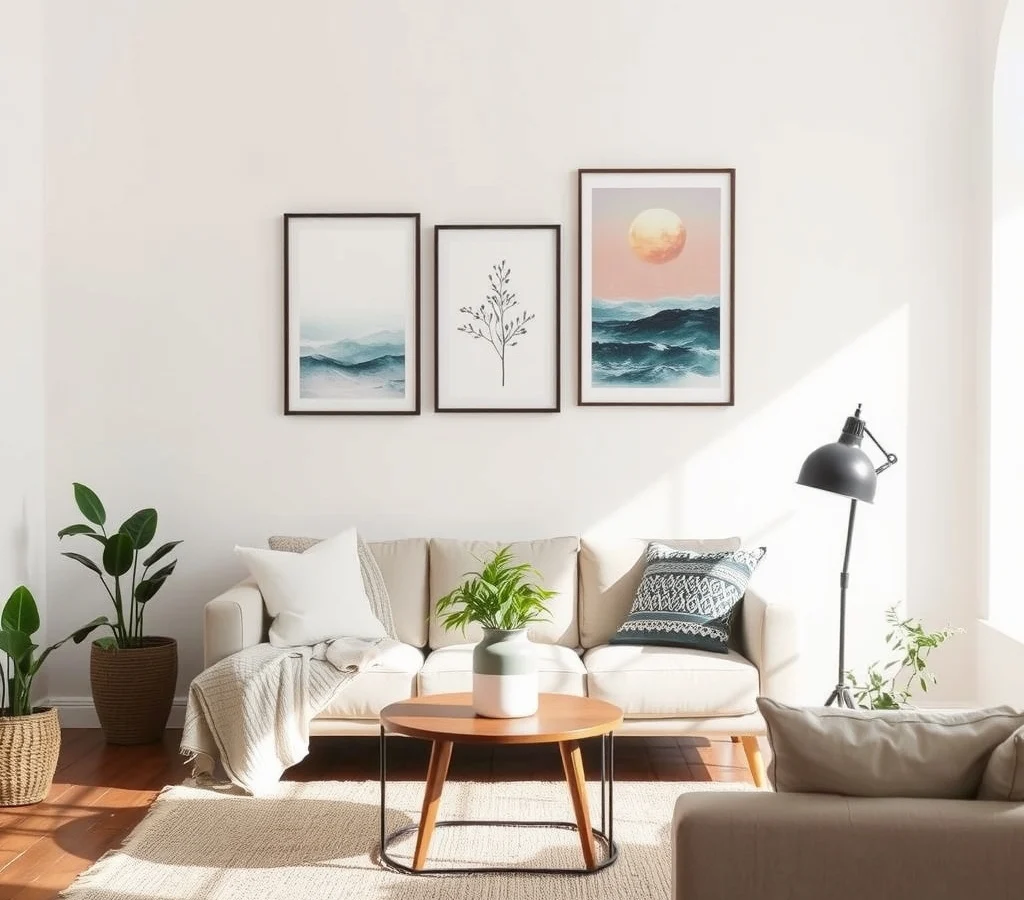
When the rent is due and the coffee budget is tight, the urge to give a room a fresh feeling can feel like a luxury you can’t afford. The good news is that a thoughtful rearrangement of what you already own, combined with a few inexpensive projects, can change the mood of a space without draining your wallet. Below are seven distinct ideas that each bring a different style cue—whether you crave a calm retreat, a playful corner, or a more structured look. All of the suggestions rely on low‑cost materials, simple tools, and a little imagination, so you can start today and see the transformation in a weekend.
1. Thrift‑store Frame Gallery Wall

Walking past the local resale shop, you’ll notice a treasure trove of mismatched wooden frames in varying sizes. When you hang them in a loose grid, the result feels curated rather than chaotic. The key is to choose frames that share a common finish—such as a weathered pine or matte black—so the collection reads as a single composition. Inside each frame, you can alternate black‑and‑white photographs, botanical prints, or even abstract watercolor reproductions printed at home. The visual rhythm created by the differing dimensions adds depth, while the uniform border keeps the eye from jumping around too wildly.
To install, start by laying the frames on the floor and arranging them until the spacing feels balanced; a gap of about two inches works well in most living rooms. Then, use painter’s tape to transfer the layout onto the wall, and secure each piece with small nails or picture‑hanging hooks. If you lack a level, a simple bubble level app on your phone will do the trick. This approach works especially in spaces with neutral walls, because the frames become the focal point without competing with bold paint. Should you have limited wall space, a single‑row arrangement above a sofa can still deliver the gallery feel while preserving floor area.
2. DIY Painted Open Shelving

Open shelves add both storage and visual interest, and a fresh coat of paint can turn a plain unit into a statement piece. Choose a modestly priced metal or pine shelf from a home‑goods store, then sand any rough spots before applying a primer. A soft, muted teal or warm greige gives the shelf a contemporary edge without overwhelming the room’s existing palette. Once the paint dries, arrange a mix of books, woven baskets, and a few ceramic bowls to create layers that invite the eye to wander.
The open nature of the shelving works best in kitchens or home offices where you need to keep frequently used items within reach. Pairing the painted wood with a brass or black metal bracket adds a touch of texture that bridges the gap between modern and rustic. If you’re concerned about the shelves holding heavier objects, consider adding a thin plywood backing for extra rigidity. Even a single short shelf above a countertop can free up cabinet space and make the area feel more organized.
3. Upcycled Textile Throw Pillows

Throw pillows are the quickest way to introduce color, pattern, and comfort. Instead of buying new ones, repurpose fabric scraps, old t‑shirts, or even inexpensive curtains. Cut the material to a square, fold the edges inward, and sew a simple envelope style pillow cover. A contrasting piping of cotton cord adds a subtle finish, while a filler of polyester fiberfill keeps the pillow plush yet lightweight.
Because the fabric is hand‑picked, you can match the hue to a piece of artwork or a rug, creating a cohesive story across the room. A mix of solid, striped, and lightly printed pillows works well on a sofa that otherwise has a neutral tone. When the season changes, swap the covers for a new set of fabrics—perhaps a deep terracotta for autumn or a cool mint for summer—without spending more than the cost of the fabric itself. This method also reduces waste, turning what would be discarded into a functional decor element.
4. Repurposed Ladder as Kitchen Towel Rack

A wooden ladder, once destined for a garage or attic, can become a charming vertical towel holder in a kitchen. Position the ladder against a wall where the top rung aligns with the countertop height; the slats provide natural hooks for hand towels, dishcloths, and even small herb bundles. If the ladder’s finish is rough, a quick wipe with a damp cloth and a coat of clear sealant will protect it from moisture.
The ladder’s lean adds a subtle architectural line that breaks up flat wall space, while the open design keeps the towels airy and dry. For a cohesive look, choose a ladder in the same wood tone as your dining table or pantry shelves. If the kitchen is small, a half‑ladder—cut to three or four rungs—offers the same visual interest without crowding the floor. The only consideration is to keep the ladder away from direct water splashes, ensuring longevity.
5. Concrete‑look Stencil Floor Accent

Flooring can feel bland, especially in a rental where you cannot replace the material. A concrete‑look stencil applied with a low‑odor floor paint creates an industrial vibe that is surprisingly easy to achieve. Begin by cleaning a small area of the floor and taping off the surrounding space. Lay the stencil—available in geometric patterns that mimic poured concrete—then use a roller to apply a thin, even coat of gray floor paint. Once dry, gently lift the stencil and seal the design with a clear, water‑based polyurethane.
The result resembles a polished slab, adding texture without the weight of actual stone. This technique works best in entryways or under a coffee table where the pattern can be admired without heavy foot traffic. If you prefer a softer feel, choose a lighter gray or add a thin layer of matte finish to reduce shine. The main trade‑off is that the painted area may need touch‑ups after several years, but the cost remains a fraction of new flooring.
6. Hand‑made Ceramic Vases with Greenery

Simple clay pots can be transformed into elegant vases with a few minutes of sanding and a coat of glaze in a muted shade such as sage green or soft ivory. Once the glaze sets, place a modest arrangement of succulents, pothos cuttings, or a single stem of eucalyptus. The organic shape of the vase softens the linear lines of a modern sofa, while the greenery introduces a breath of fresh air.
Because the vases are small, they fit comfortably on side tables, mantelpieces, or windowsills without demanding much floor space. If you’re new to glazing, a clear glaze over the natural clay texture also looks refined and requires less precision. Pairing a trio of varying heights creates visual balance, and the low water needs of succulents make maintenance straightforward. The only caution is to keep the vases away from direct heat sources that could cause cracking over time.
7. Simple Light‑Box Accent for a Reading Nook

A narrow wooden box, painted in a soft amber, can become a focused lighting solution for a favorite chair. Cut a rectangular opening on one side, insert a strip of LED tape, and cover the interior with a translucent frosted film. When the LEDs are switched on, the light diffuses gently, providing a warm pool that highlights the reading spot without overwhelming the rest of the room.
The light‑box can sit on a side table or be mounted on a low wall beside the chair. Its compact size means it doesn’t dominate the space, yet the amber glow encourages a cozy atmosphere ideal for evenings with a book. If you lack a LED strip, a battery‑operated puck light can be tucked into the same opening for a similar effect. The main limitation is the need for a nearby power outlet or a discreet battery compartment, but the visual payoff often outweighs the minor inconvenience.
FAQ

How much can I expect to spend on a DIY decor project?
You can typically keep costs under $50 per project if you source materials from thrift stores, discount retailers, or repurpose items you already own.
Do I need special tools for these ideas?
Most of the projects require basic tools such as a hammer, screwdriver, paintbrush, and sewing needle; anything beyond that can be borrowed or purchased inexpensively.
Can I use these ideas in a rental apartment?
All of the suggestions are designed to be reversible—painted shelves can be removed, frames use simple hooks, and floor stencils are sealed with a removable finish.
What if I have limited natural light?
Choose lighter paint tones, reflective accessories like glass vases, and layered lighting (floor lamp plus the light‑box) to brighten darker rooms without relying on windows.
How do I avoid the projects looking unfinished?
Take a moment to sand rough edges, apply primer before paint, and ensure seams on fabric covers are neatly stitched; these small steps give a polished appearance even on a modest budget.
Final Thoughts

Refreshing a home does not require a massive budget or professional help; a little creativity paired with affordable materials can make each room feel intentional and inviting. By selecting one of the seven ideas that resonates with your space—whether it’s a gallery wall that tells a visual story, a painted shelf that organizes your essentials, or a simple light‑box that defines a quiet corner—you’ll discover that style and thrift can coexist beautifully. Start small, enjoy the process, and let each project be a stepping stone toward a home that feels truly yours.