

When countertop space is at a premium, the walls become the next frontier for organization. A thin strip of magnet can turn an ordinary surface into a versatile display board, holding everything from spice jars to metal utensils without sacrificing precious drawer room. Below are seven distinct ways to weave magnetic storage into a compact kitchen, each with its own personality and practical considerations. Whether you’re renting a studio or redesigning a modest family galley, you’ll find a solution that feels both functional and intentional.
1. A Magnetic Strip Behind the Backsplash

Running a stainless‑steel magnetic strip just beneath the tile or beadboard backsplash creates a hidden yet accessible pantry. The strip catches a row of sleek metal spice tins, each labeled with a handwritten tag, allowing you to see the colors of paprika, turmeric, and cumin at a glance. The reflective surface of the backsplash amplifies the natural light from a nearby window, making the kitchen feel brighter even when the strip is fully loaded. Because the strip sits out of direct sight, it doesn’t dominate the visual field, which is ideal for a space that already feels busy. If the wall is painted, a thin metal primer can be applied before the magnet adheres, though you’ll need to test the adhesive on a small patch first. The main compromise is that only ferrous items can be displayed, so non‑metallic tools will need a separate home.
2. Magnetic Knife Block on the Island Edge

Instead of a traditional wooden block, a magnetic knife holder can be mounted on the side of a narrow kitchen island. The knives rest against a low‑profile steel plate, their blades visible but safely spaced, while the island’s countertop remains free for prep work. The cool metal contrasts nicely with a warm oak island top, and the occasional glint of a knife’s handle adds a subtle visual interest. This arrangement works especially well in open‑plan homes where the island doubles as a casual dining spot, because the knives stay out of the way of plates and glasses. An alternative is a removable magnetic strip that can be taken down for cleaning; just be sure the strip’s weight capacity matches the knives you own. The downside is that the magnetic field can attract small metal objects like bottle caps, so a quick wipe‑down each evening keeps the surface tidy.
3. Floating Magnetic Herb Garden
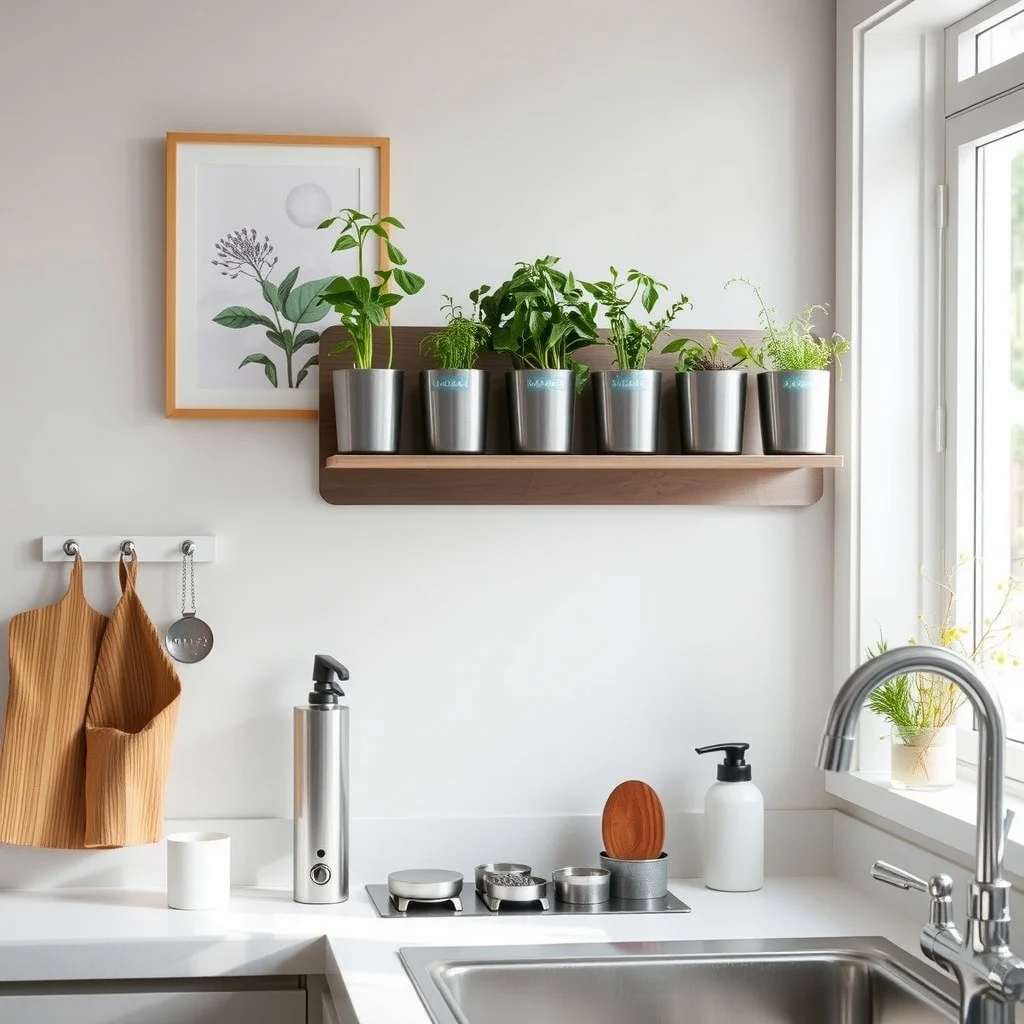
For growers who crave fresh flavor, a magnetic herb garden can hover above a sink or near a window. Small metal pots with drainage holes attach to a thin steel panel, and the panel itself fastens to the wall with hidden screws. The greenery of basil, parsley, and thyme softens the hard lines of cabinets, while the magnetic system lets you rearrange the layout as the plants mature. The garden benefits from the natural light that streams across the countertop, and the water‑resistant finish on the steel prevents rust. If the wall is prone to splashes, a clear acrylic backing can protect the paint beneath. One limitation is that the weight of wet soil can pull at the magnets over time, so opting for lightweight hydroponic containers reduces strain.
4. Magnetic Spice Rack on the Pantry Door

A pantry door often goes unnoticed as a storage canvas, yet a magnetic rack can turn it into a compact spice library. Thin metal plates line the interior of the door, and magnetic spice containers slide into place, their lids forming a uniform row. The arrangement keeps the spices at eye level, eliminating the need to rummage through a deep cabinet. The matte finish of the door complements the glossy metal, creating a subtle contrast that doesn’t overwhelm the room. If the pantry door is hollow, a small wooden shim can provide the necessary backing for the magnets to hold. The trade‑off is that the door’s swing must remain unobstructed, so you’ll want to keep the rack away from the handle side.
5. Magnetic Tool Caddy Above the Stove

Cooking often demands quick access to a whisk, ladle, or metal timer. Installing a slim magnetic caddy just above the stove line provides that reach without cluttering the countertop. The caddy’s sleek steel surface catches the tools, and a small decorative tray beneath can hold a few wooden spoons for visual balance. The heat‑resistant coating on the steel ensures the magnets stay secure even when the stove radiates warmth. This solution shines in kitchens where the range sits against a wall rather than an island, because the caddy can be positioned within arm’s length. If the wall surface is tile, a strong adhesive magnetic strip can be used, though you should verify that the tile can bear the adhesive without cracking. The only caution is to keep any electronic devices—such as a phone charger—away from the caddy to avoid interference.
6. Magnetic Photo and Recipe Board in the Breakfast Nook
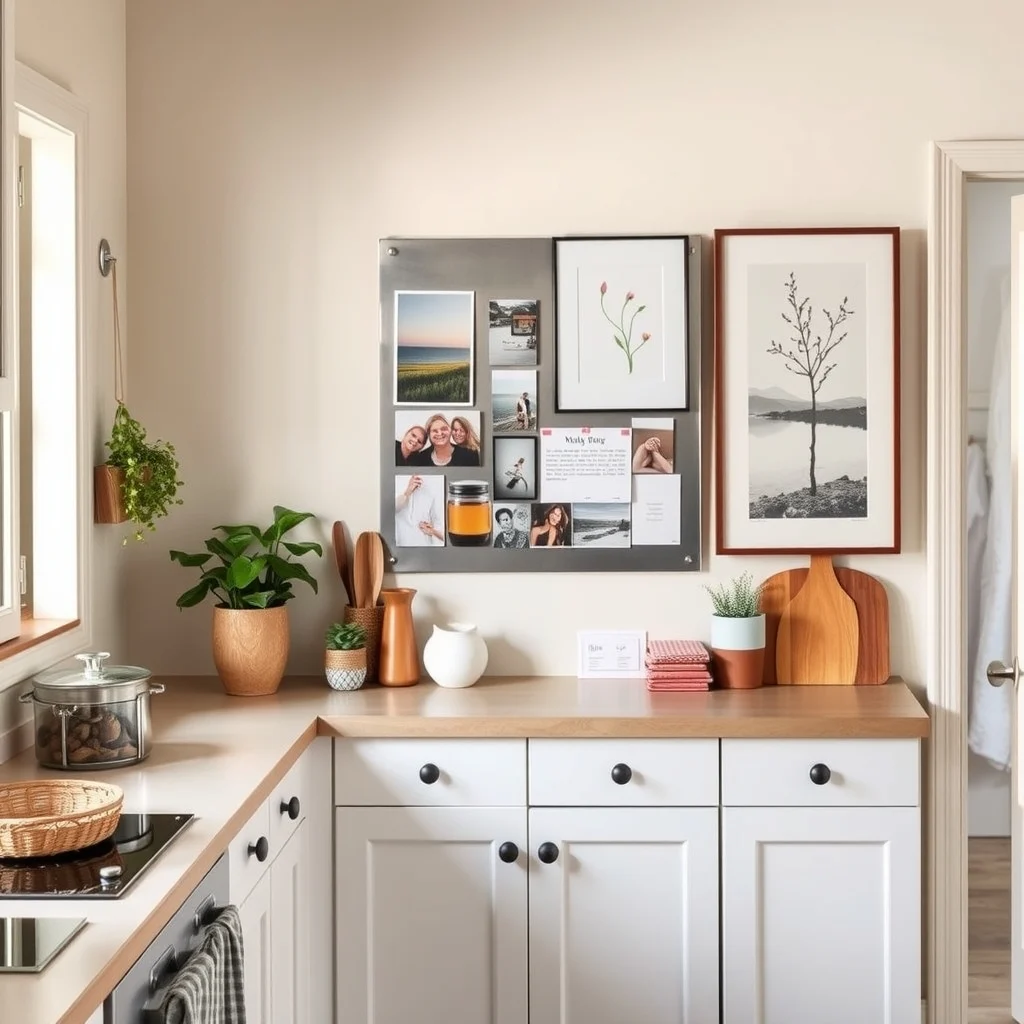
In a cozy corner where morning coffee meets the first meal, a magnetic board can serve as both a gallery and a functional reference. A lightweight steel sheet mounts on the wall, and magnetic frames hold family photos, while a set of metal recipe cards slides into view when you need inspiration. The board’s neutral tone lets the colors of the photos and the handwritten recipes pop, adding a personal touch without demanding extra shelf space. When the board is full, you can rotate the display, keeping the area fresh. For renters, a removable magnetic board that adheres with removable strips offers a non‑permanent solution. The main limitation is that the board occupies wall space that could otherwise hold a small shelf, so weigh the visual appeal against additional storage needs.
7. Magnetic Pull‑Out Drawer Organizer for the Under‑Sink Area

Under‑sink cabinets are notorious for chaos, but a magnetic pull‑out tray can bring order without sacrificing the cabinet’s depth. A shallow steel tray slides on low‑friction runners, and metal hooks or small containers attach magnetically, keeping cleaning supplies, spare batteries, and hand‑soap bottles neatly arranged. The tray’s smooth glide reveals a glimpse of the cabinet’s interior, making it easier to spot leaks or forgotten items. A soft‑close mechanism can be added if the tray tends to slam shut. This approach works well in apartments where the under‑sink space is limited to a single row of items. If the cabinet walls are painted, a thin metal plate can be screwed to the back, providing a sturdy base for the magnets. The drawback is that heavy items may exceed the magnetic pull, so keep the heaviest products on the floor of the cabinet instead.
FAQ

Can I use magnetic strips on painted walls?
Yes, magnetic strips can adhere to painted walls if the adhesive is rated for the surface. Test a small area first to ensure the paint does not peel, and consider using a primer or a thin metal backing for added security.
What type of magnets are best for kitchen use?
Neodymium magnets offer strong holding power in a slim profile, making them ideal for kitchen applications where space is limited. They should be coated to resist rust, especially in areas exposed to moisture.
Will magnetic storage attract food particles or cause rust?
Magnetic surfaces can attract metal shavings or tiny food particles, so a quick wipe with a damp cloth after each use helps maintain cleanliness. Choose magnets with a rust‑proof finish or apply a clear sealant to prevent corrosion.
Is it safe to place magnetic strips near the stove?
Most magnetic strips are heat‑resistant up to moderate temperatures, but they should be installed at least a few inches away from direct flame or high heat zones to avoid degradation.
How do I remove a magnetic strip without damaging the wall?
Use a removable adhesive strip designed for walls, which can be peeled away gently. If the strip was screwed in, unscrew it carefully and fill the holes with spackle before repainting.
Final Thoughts

Magnetic storage invites a playful yet purposeful approach to kitchen organization, turning vertical real estate into a curated showcase of everyday essentials. By selecting the right magnetic system for your space—whether it lives behind a backsplash, on an island edge, or inside a cabinet—you can reclaim counter space and add a touch of modern elegance. Remember to match the magnet’s strength to the weight of the items you plan to display, and consider the wall material before committing to an adhesive solution. With a little imagination, the walls of a small kitchen can become as functional as they are beautiful, proving that even the tiniest of rooms can hold big ideas.
1 thought on “Magnetic Storage Ideas for Small Kitchens”
Comments are closed.