

When a kitchen feels both lived‑in and lovingly curated, it becomes the heart of the home rather than just a place to prepare meals. Many homeowners reach for the latest trends, only to discover that glossy surfaces and minimalist cabinets can feel cold after a few seasons. By turning to vintage elements, you can create a kitchen that ages gracefully, welcomes guests, and tells a quiet story of craftsmanship. Below are seven distinct approaches that blend old‑world charm with everyday practicality, giving you a roadmap to a timeless kitchen without sacrificing modern convenience.
1. Open Reclaimed‑Wood Shelving Over a White Base

Replacing upper cabinets with a row of reclaimed‑wood shelves instantly adds texture and a sense of history. The raw boards, often salvaged from old barns, bring a weathered patina that contrasts beautifully with crisp, white lower cabinets. Placing a simple ceramic pitcher, a few mason jars, and a vintage copper kettle on the shelves creates visual interest while keeping everyday items within easy reach. The open format encourages you to curate what stays visible, reducing clutter and making the space feel larger. If the ceiling height is modest, keep the shelves low to avoid overwhelming the room. For homes where wood maintenance is a concern, a high‑gloss polyurethane finish can protect the surface without hiding the grain.
2. Soft Pastel Cabinets Paired with Brass Hardware

A muted shade such as sage‑green or dusty rose on cabinet doors evokes the gentle palettes of 1950s diners, while brushed‑brass pulls and knobs add a warm metallic touch. The pastel hue reflects natural light, making the kitchen feel airy even on overcast days. Brass hardware ages beautifully, developing a soft patina that deepens the vintage feel over time. If a pastel seems too bold for the overall house palette, consider a two‑tone scheme—lighter cabinets above and deeper tones below—to balance visual weight. The key is to select a paint with a low‑sheen finish; high gloss can quickly look dated.
3. Subway Tile Backsplash with Copper Accents
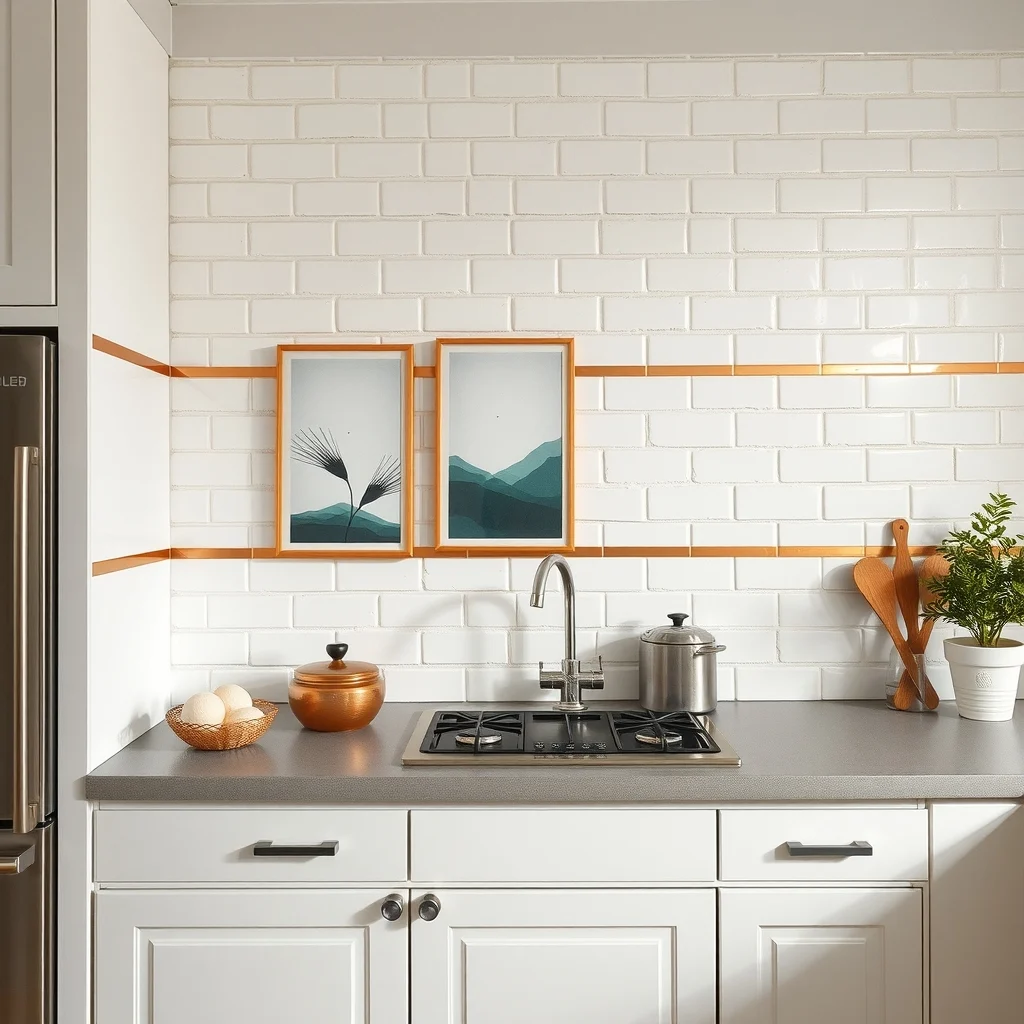
Classic white subway tiles laid in a staggered brick pattern provide a clean backdrop that never feels out of style. Introducing narrow copper strips as grout lines or as a thin accent band at the top of the backsplash adds a subtle gleam that catches the eye when you’re preparing food. The coolness of the tiles pairs well with warm wood countertops or a marble island, creating a balanced contrast. For renters or those wary of permanent changes, a peel‑and‑stick tile option mimics the subway look while remaining removable.
4. Farmhouse‑Style Table Surrounded by Vintage Stools
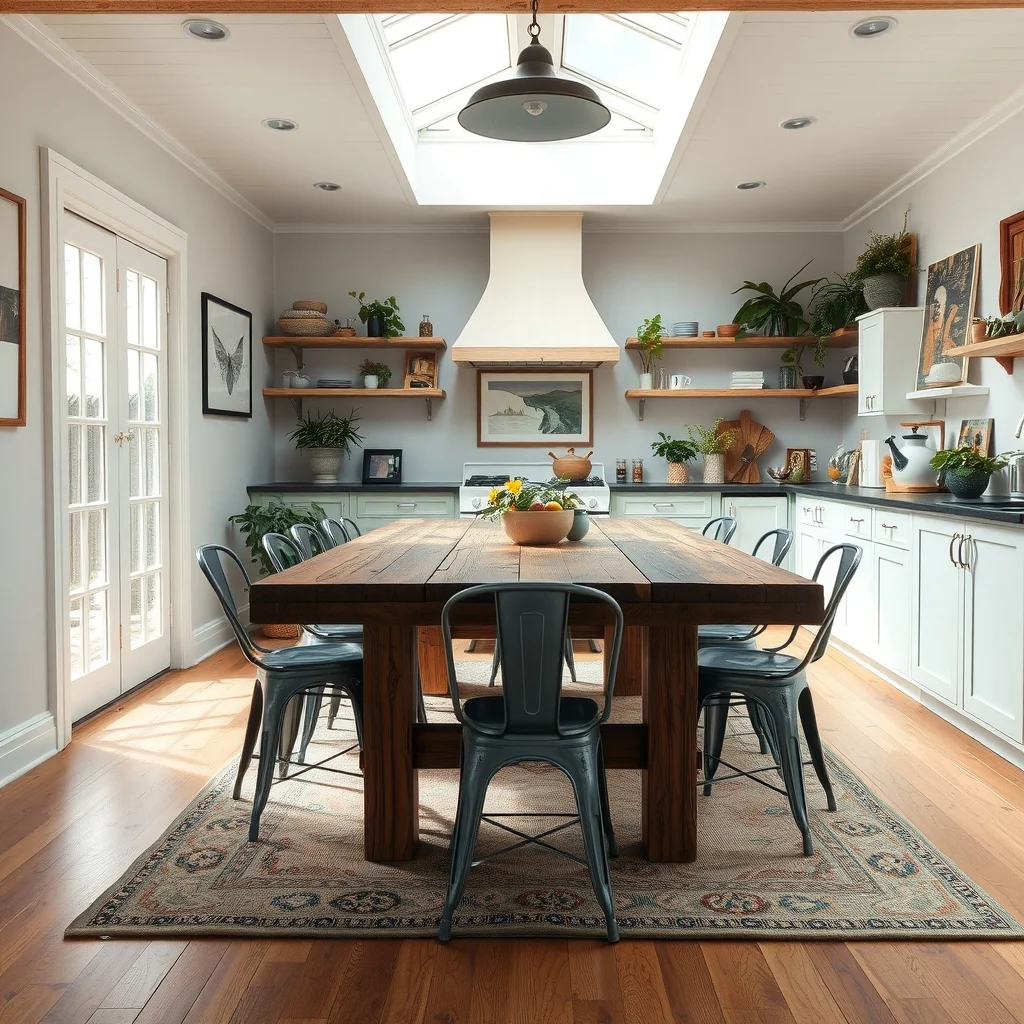
A sturdy, reclaimed‑oak table with a distressed finish becomes the centerpiece for family meals and casual coffee moments. Pairing the table with mismatched vintage stools—perhaps a set of metal‑backed chairs from the 1930s alongside a couple of painted wooden stools—injects personality without feeling forced. The mix of materials encourages conversation and adds a lived‑in feel. If space is limited, a narrow gate‑leg table can still provide ample surface area while preserving walking lanes. Adding a simple linen runner in a muted hue protects the wood and reinforces the farmhouse aesthetic.
5. Checkerboard Flooring in Black and White

Traditional black‑and‑white checkerboard tiles instantly signal a retro kitchen, recalling the charm of mid‑century cafés. The high‑contrast pattern draws the eye across the room, making the floor a subtle focal point rather than a background element. When paired with light‑colored cabinets, the floor grounds the space without competing for attention. One practical consideration is the maintenance of grout lines; sealing the grout after installation helps prevent staining from spills. For homes with a modern vibe, a smaller scale—such as a 3‑inch tile instead of the classic 4‑inch—softens the graphic impact while retaining the vintage reference.
6. Antique Enamel Range as a Statement Piece
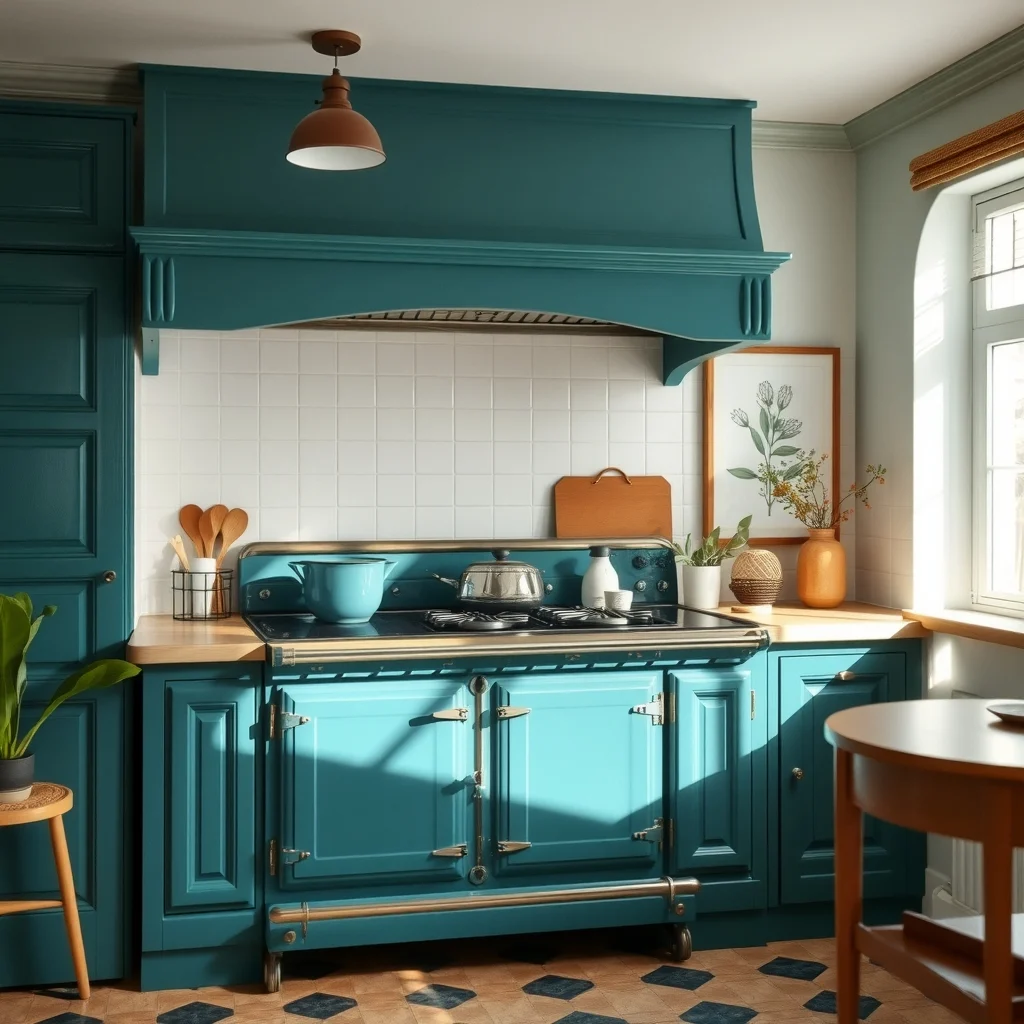
Replacing a standard stove with a vintage‑style enamel range introduces a splash of color—deep teal, buttery yellow, or classic red—that can serve as the kitchen’s anchor. Modern versions retain contemporary safety features while preserving the glossy finish and rounded knobs of the original designs. The enamel surface is surprisingly easy to clean; a soft cloth and mild detergent keep it looking fresh. If the kitchen already has strong color elsewhere, opting for a neutral enamel shade like cream can still provide the nostalgic silhouette without overwhelming the palette.
7. Layered Lighting with Pendant and Wall Sconces

Lighting shapes the mood as much as any material. Hanging a single, large pendant lamp with an aged bronze shade over the island creates a focal point that feels both functional and decorative. Complementing the pendant with modest wall sconces—perhaps repurposed from an old hallway—adds ambient light for evening meals. The combination allows you to adjust illumination levels without relying solely on bright overhead fixtures. When ceiling height is limited, choose a pendant with a lower drop or a semi‑flush design to maintain headroom. Dimmable bulbs give you control over intensity, ensuring the kitchen remains inviting from sunrise to sunset.
FAQ

How can I achieve a vintage look on a tight budget?
Focus on high‑impact items such as hardware, lighting, and a single statement piece like a reclaimed table; these can be sourced from thrift stores or online marketplaces at modest prices.
Is it safe to use open shelving for pantry items?
Open shelving works well for items you use frequently, but store heavy or perishable goods in closed cabinets to protect them from humidity and dust.
Can I paint my cabinets a pastel shade without professional help?
Yes, a well‑prepped surface and a quality latex or alkyd paint applied in thin coats can give a smooth finish; just allow ample drying time between layers.
What maintenance does a copper backsplash require?
Copper develops a natural patina that many find appealing; if you prefer a brighter look, occasional polishing with a copper‑specific cleaner will keep it shiny.
Do vintage appliances meet modern energy standards?
Many reproductions are built to current efficiency codes while retaining classic styling, so you can enjoy the look without sacrificing performance.
Final Thoughts

Creating a vintage kitchen is less about replicating a specific era and more about curating pieces that feel authentic, functional, and welcoming. By mixing reclaimed wood, soft hues, timeless tiles, and thoughtful lighting, you can build a space that feels lived‑in from day one and continues to evolve with your family’s needs. Remember that the most enduring kitchens balance beauty with practicality—choose materials you enjoy touching, storage solutions that keep clutter at bay, and lighting that adapts to the rhythm of your day. With these seven ideas as a guide, you have a palette of possibilities to craft a kitchen that stands the test of time.