
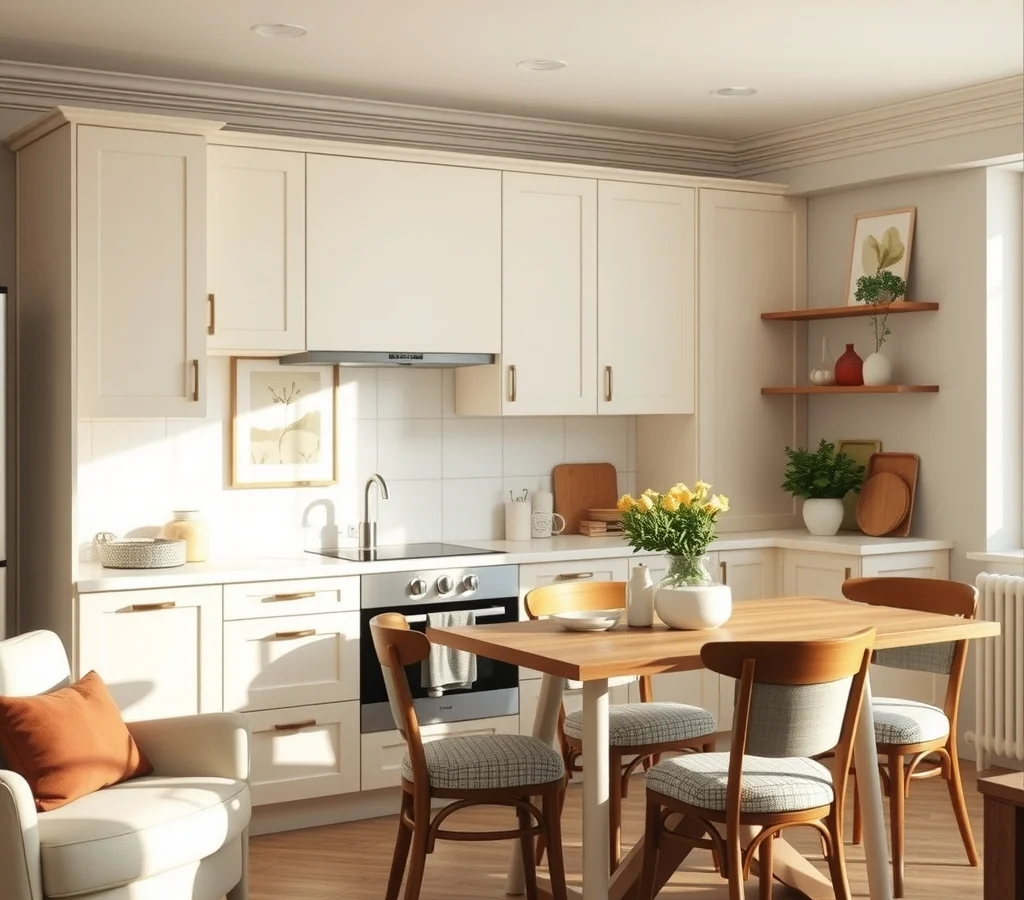
When you step into a kitchen that balances light neutrals with subtle texture, the space feels both inviting and refined. Cream and beige tones create a backdrop that lets you play with finishes, natural materials, and soft accents without overwhelming the eye. Below are seven distinct approaches that show how the same palette can support a sleek modern feel, a cozy country vibe, or a sophisticated traditional look. Each concept includes suggestions for how you might adapt it to the size of your kitchen, the amount of natural light you receive, and the everyday demands of cooking and gathering.
1. Soft Cream Walls Paired with Warm Wood Cabinets

Imagine a wall painted in a buttery cream that catches the morning sun, while the cabinetry is finished in a honey‑toned oak. The gentle contrast between the light wall and the richer wood adds depth without breaking the calm atmosphere. A brushed brass faucet and simple matte black hardware provide just enough visual interest to keep the design from feeling flat. Open shelving made from reclaimed pine lets you display ceramic dishes, and a woven basket for pantry items adds texture that feels hand‑crafted. This arrangement works well in kitchens that receive plenty of daylight, because the cream reflects light and makes the room feel larger. If the space is smaller or the budget tighter, a painted wood finish in a muted tan can mimic the warmth of oak without the cost of solid wood.
2. Beige Marble Countertops with Creamy Undercabinet Lighting

Choosing a light beige marble slab for the work surface introduces natural veining that becomes a quiet focal point. Under the upper cabinets, install LED strips that emit a warm glow, highlighting the marble’s subtle patterns while also providing functional illumination for prep work. A set of minimalist pendant lights in a brushed nickel finish hangs over the island, adding a touch of modernity. The combination of stone and soft lighting creates a sophisticated backdrop for cooking, and the reflective surface helps keep the space feeling airy. For homes where marble may be too high‑maintenance, a quartz surface that imitates the veining can deliver a similar look with easier care.
3. Creamy Textured Walls with Beige Tile Backsplash
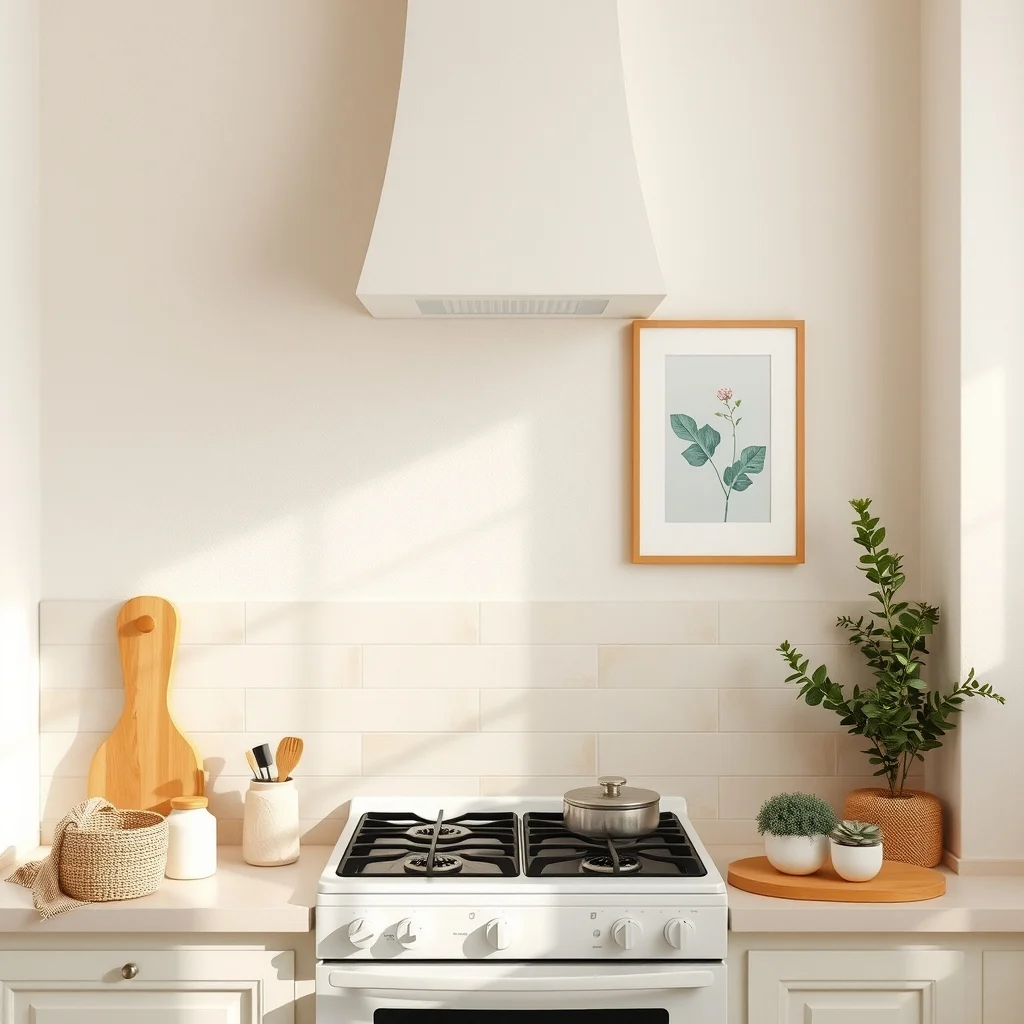
Applying a lightly textured plaster finish to the walls introduces a tactile dimension that plain paint often lacks. Over the stove, a rectangular beige tile backsplash in a matte finish adds a subtle pattern that catches the eye without competing with the rest of the room. The tiles can be laid in a staggered brick pattern to break up large wall surfaces, giving the kitchen a handcrafted feel. Pair this with a stainless steel range and a simple wooden cutting board displayed on the counter for a balanced mix of materials. If the kitchen is a high‑traffic area, opting for porcelain tiles that mimic the look of natural stone offers durability while preserving the soft aesthetic.
4. Cream Upper Cabinets with Beige Lower Cabinets and Open Shelving

Dividing the cabinetry into two tones creates visual interest while maintaining a cohesive palette. Upper cabinets painted in a warm cream keep the space feeling light, while lower cabinets finished in a muted beige provide a grounding effect. Between the two, install a row of open shelves made from light maple; they can hold everyday dishes and small potted herbs, adding greenery that softens the neutral scheme. A simple glass-front cabinet on one side offers a place for decorative glassware without breaking the color story. This layout works particularly well in kitchens where you want to display items without sacrificing storage. If the room feels cramped, reducing the number of open shelves and opting for a single glass cabinet can keep the look tidy.
5. Creamy Quartz Island with Beige Leather Bar Stools

An island topped with cream‑hued quartz creates a smooth, durable centerpiece that resists stains and scratches. Pair the island with low‑profile bar stools upholstered in soft beige leather; the material adds a subtle richness that contrasts with the crisp surface of the quartz. A narrow pendant light with a linen shade hangs directly above the island, diffusing light and creating a gentle pool for evening meals. The island can also house a hidden pull‑out pantry, keeping the overall appearance uncluttered. In smaller kitchens, a mobile island on casters offers the same visual anchor while allowing flexibility for different layouts.
6. Beige Painted Floor with Cream Accents and Natural Light

Choosing a warm beige paint for the floor—whether on concrete, wood, or a light‑colored tile—creates a seamless base that ties the whole kitchen together. Add cream‑colored runner rugs in high‑traffic zones to protect the floor and introduce softness underfoot. Large windows or a skylight can be dressed with sheer white curtains, allowing diffused daylight to bounce off the beige floor and enhance the overall brightness. A simple wooden table with cream linen placemats provides a gathering spot that feels both casual and refined. If the kitchen lacks natural light, a combination of recessed lighting and wall sconces in brushed gold can simulate the warm glow of sunlight.
7. Cream and Beige Two‑Tone Backsplash with Patterned Tiles

A two‑tone backsplash that alternates cream and beige tiles in a subtle geometric pattern adds a decorative layer without overwhelming the space. The pattern can be as simple as a chevron or a herringbone layout, creating movement that draws the eye toward the cooking area. Complement the backsplash with matte white countertops to keep the focus on the tile design. A set of copper pendant lights adds a warm metallic accent that harmonizes with the neutral tones. This approach works best in kitchens that have a clean, uncluttered countertop, allowing the backsplash to serve as the main visual interest. For a more budget‑friendly version, use ceramic tiles that mimic the look of natural stone.
FAQ

How do I keep cream walls from looking too pale?
Choose a shade with a hint of yellow or pink undertone, and pair the walls with darker flooring or wood accents. The contrast prevents the space from feeling washed out.
Can I use real marble in a busy family kitchen?
Real marble is beautiful but can stain easily; a sealed surface and prompt cleaning are essential. Quartz alternatives offer similar aesthetics with greater durability.
What lighting works best with a neutral kitchen palette?
Warm‑white LEDs, pendant lights with linen shades, and brushed metal fixtures create a gentle glow that enhances cream and beige tones. Layered lighting ensures both functionality and ambiance.
Is it okay to mix different textures in a neutral kitchen?
Yes, mixing textures like smooth quartz, rough plaster, and soft linen adds depth and prevents the room from feeling flat. Balance is key—pair a textured element with smoother surfaces.
How can I add a pop of color without breaking the neutral scheme?
Introduce color through accessories such as a bowl of fresh citrus, a vase of green herbs, or a patterned rug. These accents can be switched out seasonally.
Final Thoughts

Working with cream and beige gives you a versatile canvas that can adapt to many styles, from contemporary to traditional. By paying attention to texture, lighting, and the interplay of light and dark tones, you can create a kitchen that feels both elegant and welcoming. Whether you choose a marble countertop, a two‑tone backsplash, or a warm wood cabinet, each decision contributes to a cohesive space that invites daily use and occasional celebration alike.